I’d already had a wolf cut for almost a year, genuinely happy with it, when my stylist mentioned during a routine trim that there was a related but distinctly more dramatic variation gaining traction that she thought would actually suit my specific hair type and length even better than what I currently had. I asked what it was called, fully expecting some clever marketing name, and she said “the octopus cut,” which made me laugh out loud in the chair before I even saw a single photo. Once she pulled up reference images, though, I understood immediately why the name had stuck. The layering was even more extreme than my existing wolf cut, extending outward in a way that genuinely reminded me of the way octopus tentacles fan out and move independently of each other, dramatic, textured, and considerably wilder than what I’d been wearing.
I went for it that same appointment, somewhat impulsively, and it remains one of the more dramatic haircut decisions I’ve made, though I’ve genuinely loved living with it since. If you’ve already got a wolf cut and are wondering what comes next, or you’re drawn to the sound of something even more textured and dramatic, here’s everything worth knowing about this specific variation before booking your own appointment.
What Actually Distinguishes the Octopus Cut From a Wolf Cut
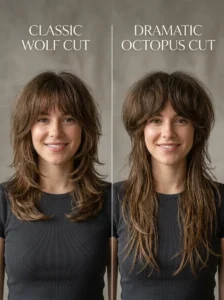
Both cuts share the same core philosophy, heavy layering, dramatic movement, and an intentionally undone, textured finish rather than a smooth, blended result. Where they diverge is in the intensity and specific placement of that layering. A wolf cut typically concentrates its most dramatic layering at the crown, with softer curtain-style pieces framing the face and a more moderate transition into the remaining length.
The octopus cut pushes that same concept considerably further, with more numerous, more dramatically separated layers extending throughout a larger portion of the head, creating that distinctive tentacle-like fanning effect the name refers to. My stylist described the difference this way while working on mine: if a wolf cut has maybe three to four distinct layering tiers, an octopus cut often incorporates five or more, with more dramatic length differences between each tier, creating a considerably more voluminous, textured, and visually complex overall silhouette.
Why This More Extreme Variation Has Found Its Own Following

Trends within trends are a genuinely interesting phenomenon, where a popular style spawns even more dramatic offshoots specifically for people who loved the original concept but wanted to push it further. The octopus cut represents exactly this kind of evolution, appealing specifically to people who already embraced the wolf cut’s textured, undone aesthetic and wanted an even bolder version of that same core idea rather than moving on to an entirely different style category.
It also tends to work particularly well on longer hair specifically, since the more numerous, more dramatic layering tiers need sufficient overall length to fully develop and create their intended visual impact, which has made it a popular choice among people who’d been growing their hair out and wanted a way to add significant texture and movement without cutting off the length they’d worked to achieve.
Which Hair Types and Lengths Suit This Cut Best
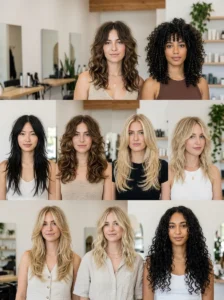
Long hair, generally at least past the shoulders, tends to show off this cut’s full dramatic effect most clearly, since there’s enough length for the multiple, dramatically varied layering tiers to actually develop distinct, visible shapes rather than blending together into something less defined.
Medium length hair can incorporate a scaled-down version of this same concept, though the layering typically needs to be slightly less extreme to avoid the shortest pieces looking disproportionately short relative to the overall length.
Thick, dense hair genuinely thrives with this cut, since there’s enough volume and density for the more numerous, dramatic layers to create real visual impact without any individual section looking sparse or thin.
Fine hair can still work with this style, though your stylist may recommend a slightly less aggressive version of the layering to avoid the shortest, most dramatic tiers looking overly wispy or insufficiently full.
Straight hair shows the technical structure of the cut very clearly, though it typically requires considerably more active daily styling, texturizing product and strategic curling, to achieve the full separation and movement between the numerous layers this cut is built around.
Wavy and curly hair pair beautifully with this style, since natural texture already provides much of the separation and movement between layers that the cut depends on, requiring considerably less daily styling effort than straighter hair would need to achieve the same dramatic effect.
Getting the Cut Right at the Salon

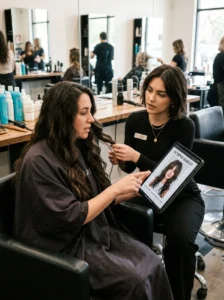
Bring specific reference photos, and discuss with your stylist how many distinct layering tiers you’re picturing, since this single detail significantly affects how dramatic and complex the finished result actually looks, and there’s real variation in how extreme different interpretations of this cut can be.
Ask specifically about your stylist’s experience with this particular, more advanced layering technique, since executing multiple, dramatically varied layers well requires more technical precision than a standard wolf cut or simpler shag, and an inexperienced attempt can result in a less intentional, more uneven-looking finish.
Discuss your current length honestly, and ask whether your hair has enough overall length to properly support this more dramatic layering technique, since attempting it on hair that’s too short can result in a less defined, less impactful version of the intended effect.
Mention your natural hair texture and how much daily styling effort you’re realistically willing to commit to, since this cut generally requires more active maintenance to look its best than some of its less extreme relatives.
Styling an Octopus Cut Day to Day

For maximum texture and definition, a texturizing spray or mousse applied to damp hair before diffusing or air drying helps encourage genuine separation between the numerous layering tiers, which is central to achieving the style’s intended dramatic effect.
A curling wand, used loosely and inconsistently throughout different sections rather than in one uniform pattern, adds definition to individual layers without creating an overly smooth, uniform curl that would undermine the deliberately wild, undone quality this cut depends on.
Backcombing or teasing lightly at the crown specifically can add extra volume and help separate the shortest, most dramatic top layers from the rest of the cut, particularly useful for finer hair types wanting to maximize the style’s inherent drama.
For naturally wavy or curly hair, a lightweight curl-defining cream applied to damp hair and left to air dry is often genuinely sufficient to achieve the intended look with minimal additional active styling required.
Maintaining This More Dramatic Cut
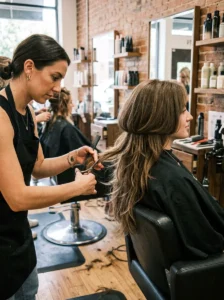
Regular trims, generally every six to eight weeks, matter significantly with this style, since the more numerous, more dramatic layering tiers soften and blend together more noticeably as hair grows out compared to a simpler layering pattern with fewer distinct tiers to maintain.
Because this cut typically requires more length overall to properly develop its intended effect, growing out from a shorter starting point takes real patience, and discussing a realistic timeline with your stylist for building up to the full version of this cut helps set proper expectations if you’re not currently at a sufficient length.
Deep conditioning treatments become especially important given how much active styling this cut typically requires to look its best, since regular heat styling on top of already textured, layered hair can accumulate dryness and damage more visibly than it would on a simpler, less intensively styled cut.
Color Choices That Enhance This Cut’s Drama

Dimensional color, whether through balayage, foilyage, or a similar hand-painted technique, tends to particularly enhance this cut’s already dramatic layering, since the varying tones catch and reflect light differently across each distinct tier, amplifying the visual complexity the cut is specifically designed to create.
A solid, rich single-process color can also work beautifully, especially for anyone who wants the cut’s dramatic structure itself to remain the primary visual focus without additional color movement competing for attention alongside the already complex layering.
High-contrast color placement, like noticeably lighter pieces woven specifically through the shortest, most dramatic top tiers, can further emphasize the tentacle-like fanning effect that gives this cut its name, drawing the eye specifically to the areas of most dramatic layer separation.
Products Worth Having on Hand
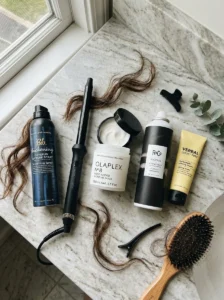
A strong-hold texturizing spray, rather than a lighter formula, tends to work better for this specific cut given how much separation and definition between numerous distinct layers it requires compared to a more moderate style.
A small-barrel curling wand allows for more precise, section-by-section styling of the numerous individual tiers this cut incorporates, which is considerably harder to achieve with a larger barrel designed for more uniform, less segmented curling.
A firm-hold hairspray, applied after styling rather than relying entirely on product used beforehand, helps the dramatic volume and separation this cut depends on actually hold up throughout a full day rather than gradually falling flat.
A deep conditioning treatment, used weekly given how much active heat styling this cut typically requires, helps offset the cumulative dryness that comes with more frequent curling or diffusing needed to maintain the style’s intended texture.
Common Mistakes to Avoid
Attempting this cut without sufficient starting length can result in a less dramatic, less defined version of the intended effect, since the whole concept depends on having enough overall length for the numerous layering tiers to properly develop distinct, visible shapes.
Choosing a stylist without specific experience in this particular, more advanced layering technique can lead to a less precise, less intentional-looking result, given how much more technical complexity is involved compared to a standard wolf cut or simpler shag.
Underestimating the daily styling commitment, particularly for straighter hair types, can lead to disappointment if the cut doesn’t achieve the same dramatic movement and texture shown in reference photos without the active styling effort those photos typically involved.
How Face Shape Factors Into This Cut

Round faces tend to benefit from keeping the shortest, most dramatic tiers concentrated more toward the crown rather than close to the jawline, elongating the overall shape rather than adding volume at the widest part of the face.
Square or angular faces often look particularly striking with this style, since the sheer amount of movement and softness the dramatic layering creates helps break up strong jaw and cheekbone structure considerably more than a more moderate layering pattern would.
Heart-shaped faces, wider at the forehead and narrower at the chin, tend to benefit from slightly more volume and layering concentrated near the jaw specifically, helping to visually balance a wider top against a narrower chin.
Long or oval faces generally have the most flexibility with this dramatic style, since there’s less specific correction needed, allowing more freedom to lean fully into the cut’s most extreme, tentacle-like layering without much concern about it being unflattering for the underlying face shape.
Frequently Asked Questions
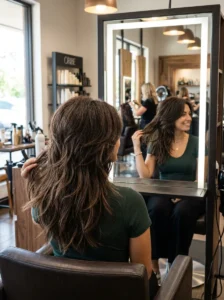
How is the octopus cut actually different from just a more dramatic wolf cut? While the two share core principles, the octopus cut typically involves more numerous, more dramatically separated layering tiers extending through more of the overall length, creating a considerably more voluminous and textured effect than the more moderate layering typical of a standard wolf cut.
Does this cut require significantly more length than a wolf cut to work well? Generally yes, since the multiple, dramatically varied layering tiers need sufficient overall length to properly develop and create their intended visual impact, making this style better suited to longer hair than some more moderate layered options.
Will this cut work on hair that’s previously been damaged from coloring or heat styling? It can, though discussing your hair’s current health with your stylist beforehand matters considerably, since this cut typically requires more active daily styling to maintain, which could compound existing damage if hair health isn’t addressed first through deep conditioning or a health-focused trim.
How often will I need trims to maintain this more complex layering pattern? Generally every six to eight weeks, similar to other heavily layered styles, though the more numerous distinct tiers in this specific cut can make growth and softened definition noticeable slightly sooner than with a simpler layering pattern.
Is this cut a good option if I’ve never had dramatically layered hair before? It’s a bigger jump than some more moderate options, so discussing a standard wolf cut first, or a less extreme version of this same concept, might be worth considering if you’re not certain how comfortable you’ll be with this much drama and daily styling commitment before going all in on the most extreme version.
Will this cut still look intentional if I skip a day of active styling and just let it air dry? It largely depends on your natural texture, since air-dried straight hair will likely show the layering structure clearly but without much of the dramatic volume and separation the style relies on, while naturally wavy or curly hair tends to look reasonably finished even without significant additional styling effort.
Final Thoughts

Looking back at that moment in the chair when I first heard the name and laughed before even seeing a photo, I understand now exactly why it stuck so effectively once I actually saw what the style involved. It’s a genuinely more demanding cut to execute and maintain than its wolf cut predecessor, but for anyone who already loved that aesthetic and wanted to push it considerably further, this specific variation delivers real, tangible drama that a lot of other, more moderate layered cuts simply don’t attempt to achieve.