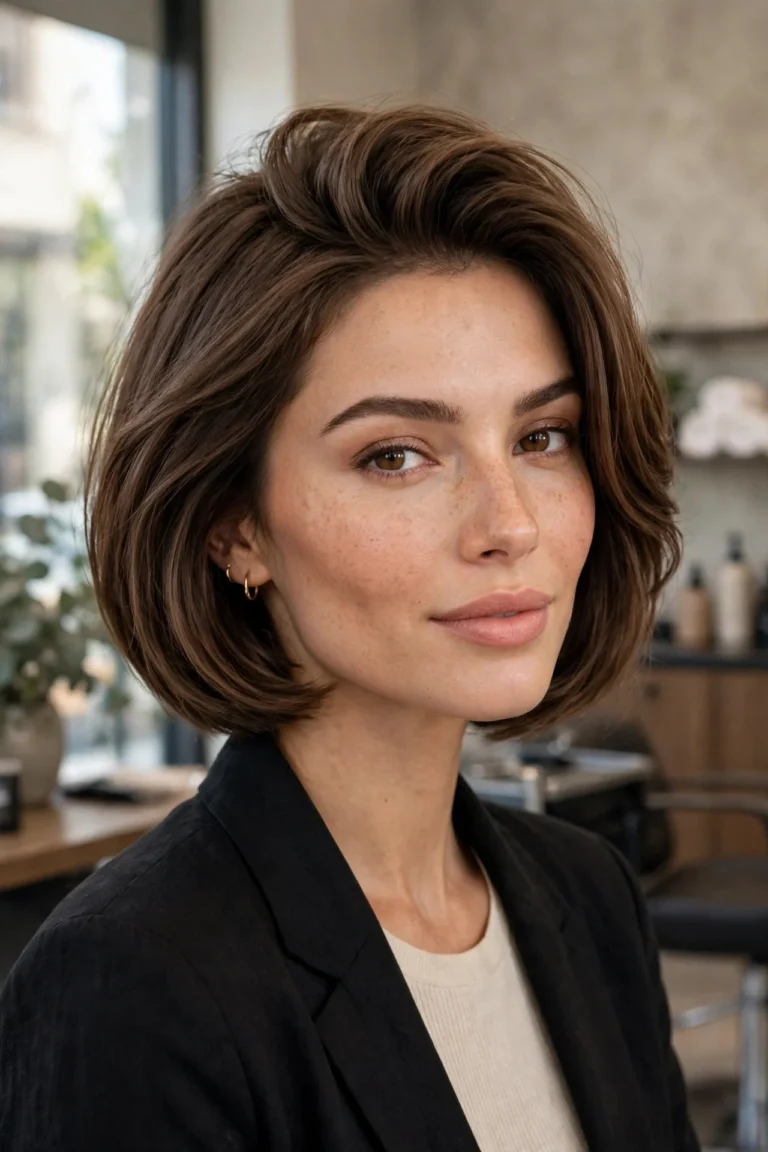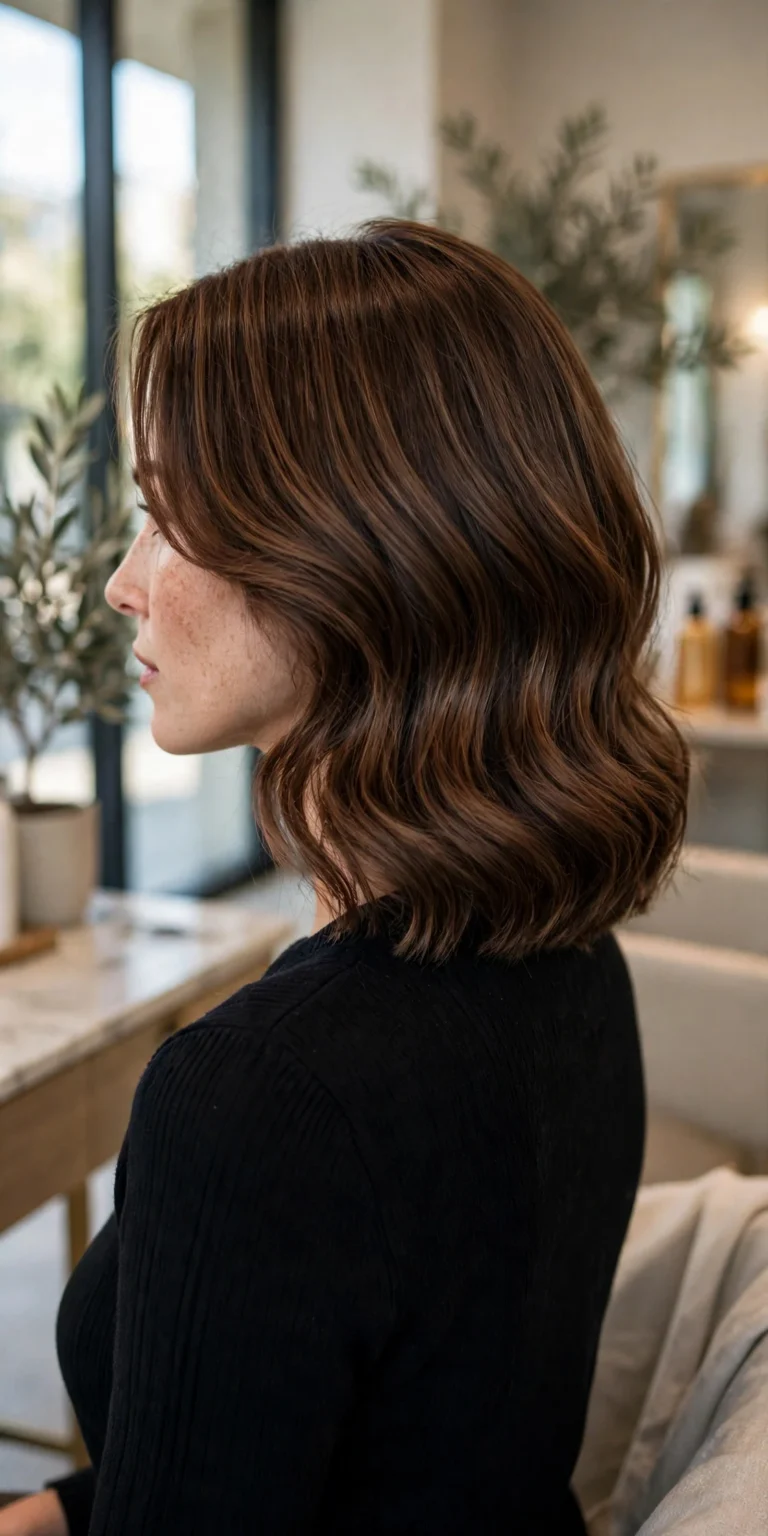
A small forehead can actually make styling easier, because you have less space to balance and more room to play with layers, parts, and fringe. The trick is choosing cuts that add softness around the hairline without covering your face completely. Heavy, blunt fringe can feel like too much, while the right sweep or wispy layer can open everything up.
The styles below work because they keep proportion in mind. Some add width at the sides, some lift the crown, and some simply move the part to a more flattering spot. Pick the one that matches your hair texture and how much daily styling you honestly want to do.
1Side-Swept Bangs With Soft Layers
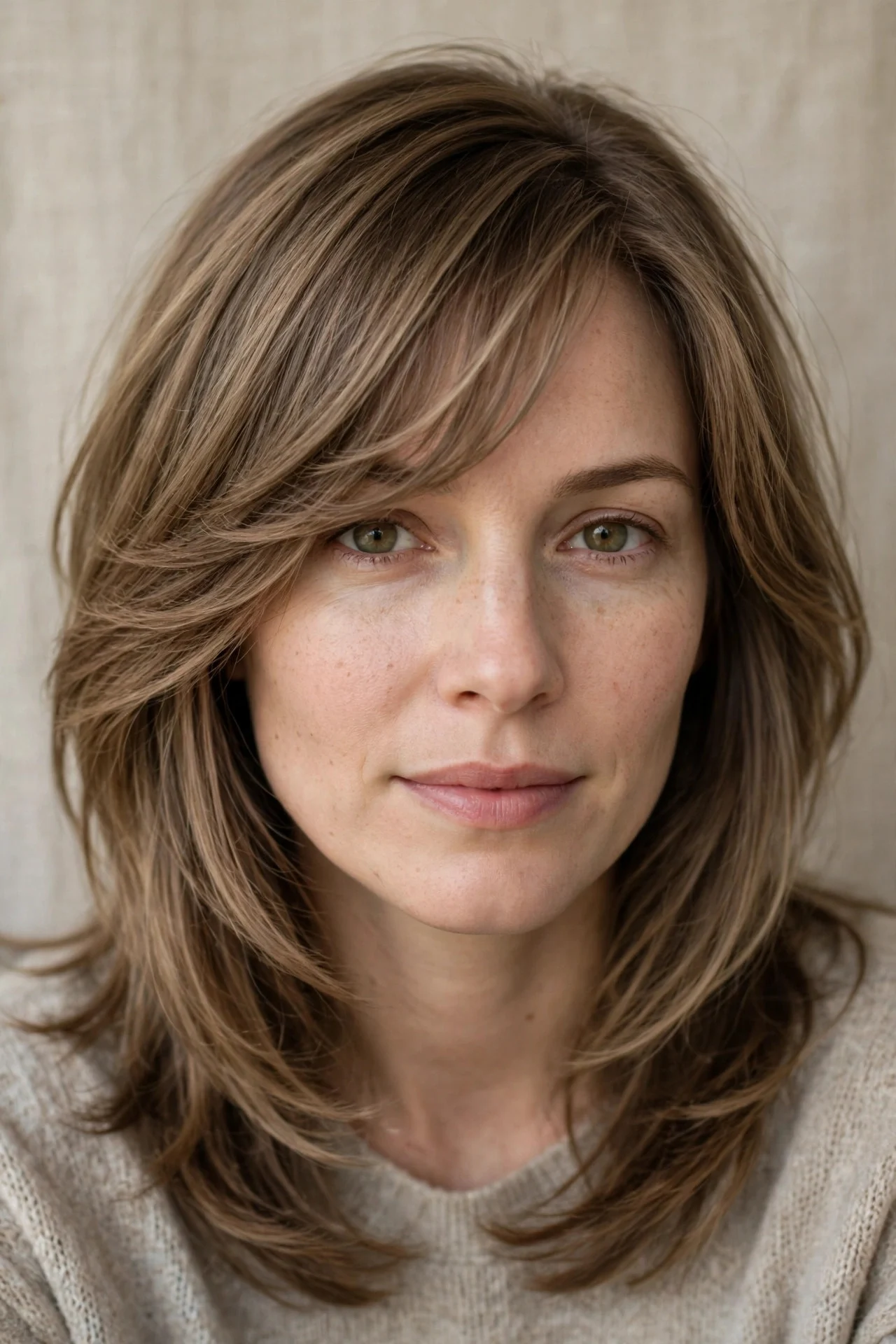
Ask your stylist for bangs that start at the cheekbone and sweep diagonally across the forehead, paired with long, soft layers through the lengths. This works beautifully if your hair is straight or lightly wavy, and it suits oval and heart shaped faces especially well. The diagonal line draws the eye sideways rather than straight down, which keeps a small forehead from looking even shorter. Styling takes a round brush and about five minutes, or a quick pass with a flat iron angled to one side. The drawback is upkeep. Swept bangs grow out fast, so expect a trim every four to five weeks to keep the shape from falling into your eyes.
2Wispy Curtain Fringe

A wispy curtain fringe is the gentlest way to try bangs without committing to a thick block across your forehead. Ask for feathered pieces that part in the middle and taper from brow length down to cheek length, blended into face framing layers. It suits fine to medium hair best, and it flatters round and square faces by softening the corners. The airy texture means it rarely looks heavy, even on humid days. Blow dry it forward with a small round brush, then split it with your fingers. The trade off is that very fine hair may need a little dry shampoo or texture spray to stop the pieces clumping together.
3Deep Side Part With Volume
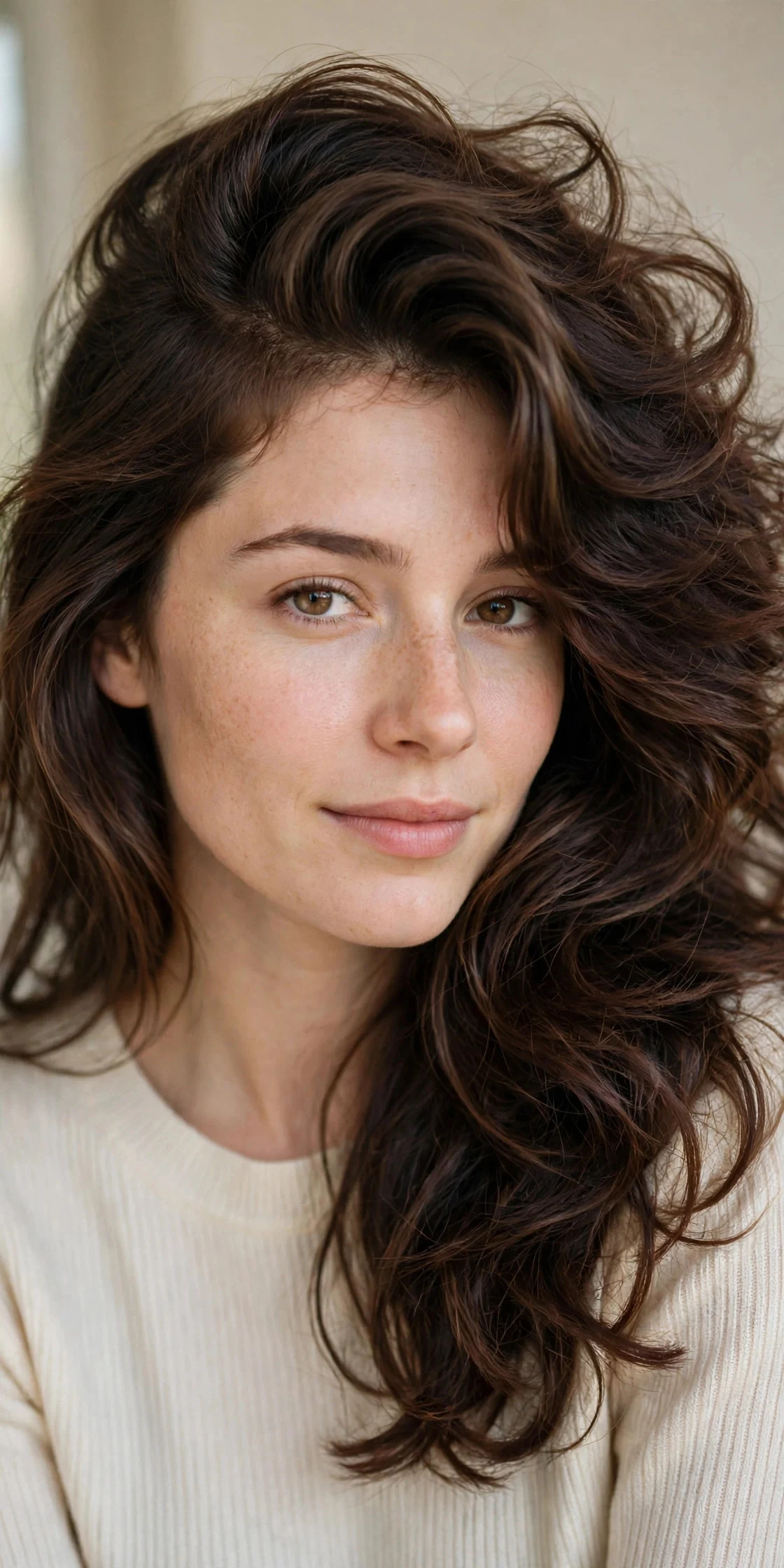
Sometimes the simplest change is the most effective. A deep side part instantly shifts the balance of your face, creating an asymmetric sweep that adds visual length above the brow. Ask your stylist to cut your layers so they fall naturally to the heavier side, with a little extra layering near the crown for lift. This suits almost every hair type, and it is a strong choice if you do not want bangs at all. Style it by blow drying the roots upward on the heavy side, then setting the part while the hair is still warm. The only real drawback is that cowlicks near the hairline can fight the part, so you may need a light styling cream to keep it in place.
4Textured Lob With Face Framing
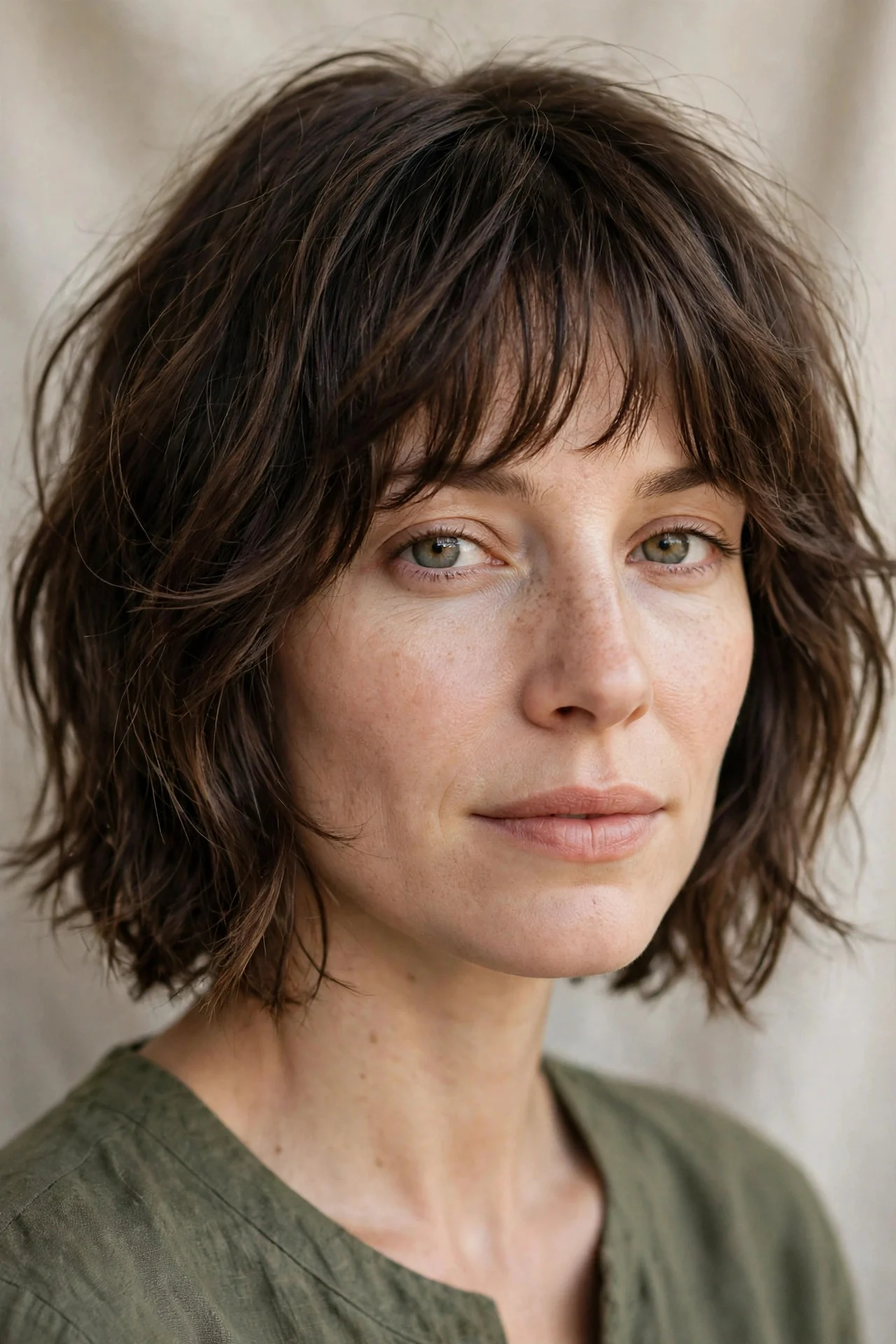
A textured lob, cut to just above the shoulders, gives a small forehead breathing room by pulling attention to the jaw and collarbone. Ask for choppy ends, internal layers for movement, and shorter face framing pieces that start at the cheekbone. It works well on thick hair, where the texture stops the cut looking boxy, and on wavy hair that can air dry into shape. Styling is low effort. Scrunch in a sea salt spray or curl a few random sections for bend. Maintenance is moderate, with trims every six to eight weeks to keep the ends from looking straggly. Very fine hair may need volumizing mousse to stop the lob falling flat by midday.
5Long Layers With a Soft Face Frame
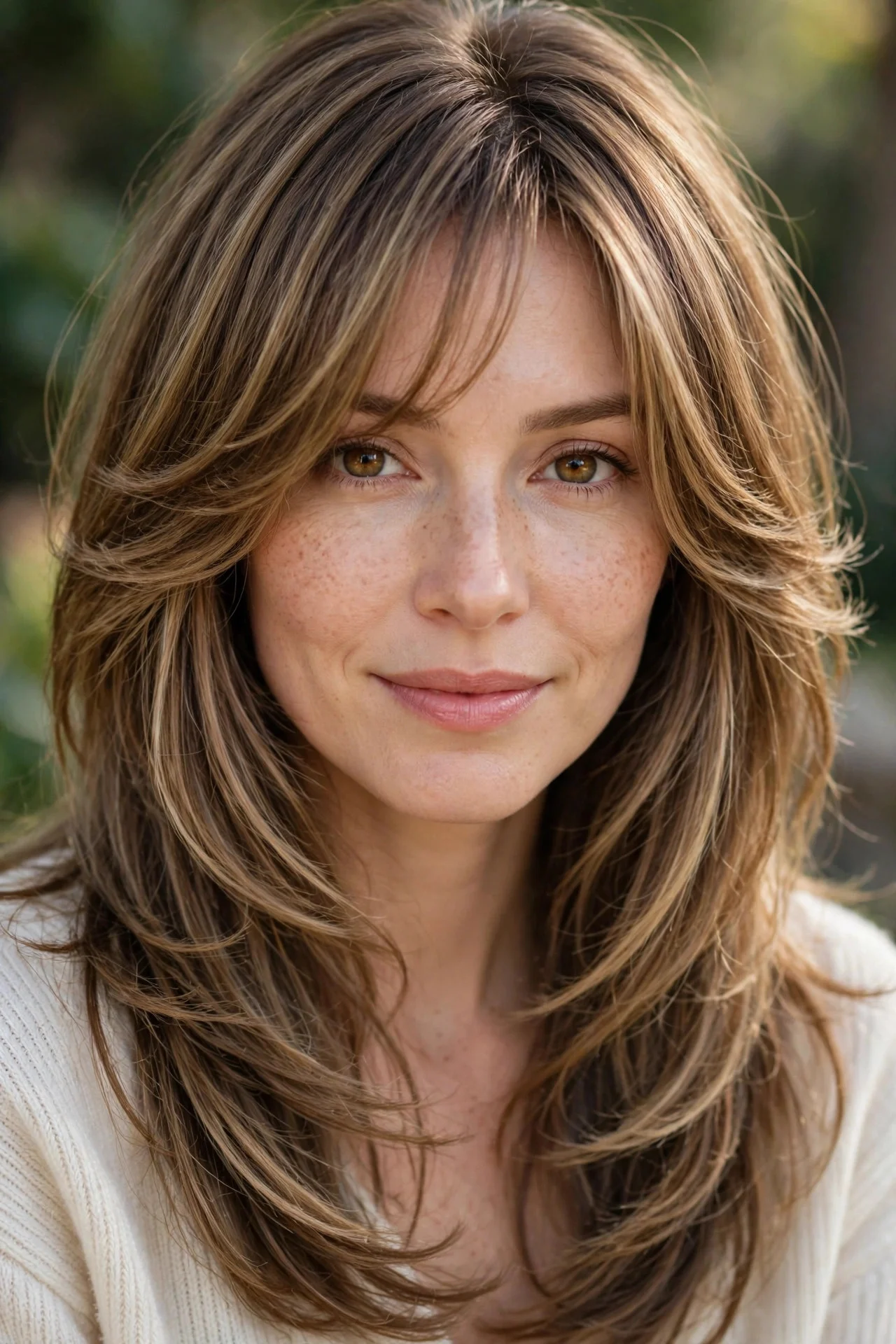
If you love your length, you do not need to cut it off to flatter a small forehead. Ask for long layers that start at chin level and a face frame that opens gradually from the cheekbones downward. This creates a vertical line that lengthens the face without hiding the hairline. It suits straight and wavy hair, and it is especially kind to oval faces. Blow dry with a large round brush, flicking the face framing pieces away from the face. The main drawback is time. Long hair takes longer to dry and style, and split ends show more quickly, so regular trims and a good conditioner are non negotiable if you want it to look polished.
6Soft Shag With Feathered Ends

A soft shag is a relaxed, lived in cut that adds width and movement around the sides of the face. Ask your stylist for feathered layers through the crown and mid lengths, with a light fringe that blends into the top layers rather than sitting as a separate block. It suits wavy and curly hair beautifully, and it gives fine hair the illusion of fullness. Air drying works well, though a diffuser helps curls form evenly. The drawback is that a shag can grow out unevenly, so book trims every six weeks to keep the shape intentional rather than messy. It also needs some texture product, or the layers can fall limp on very straight hair.
7Pixie With a Longer Fringe
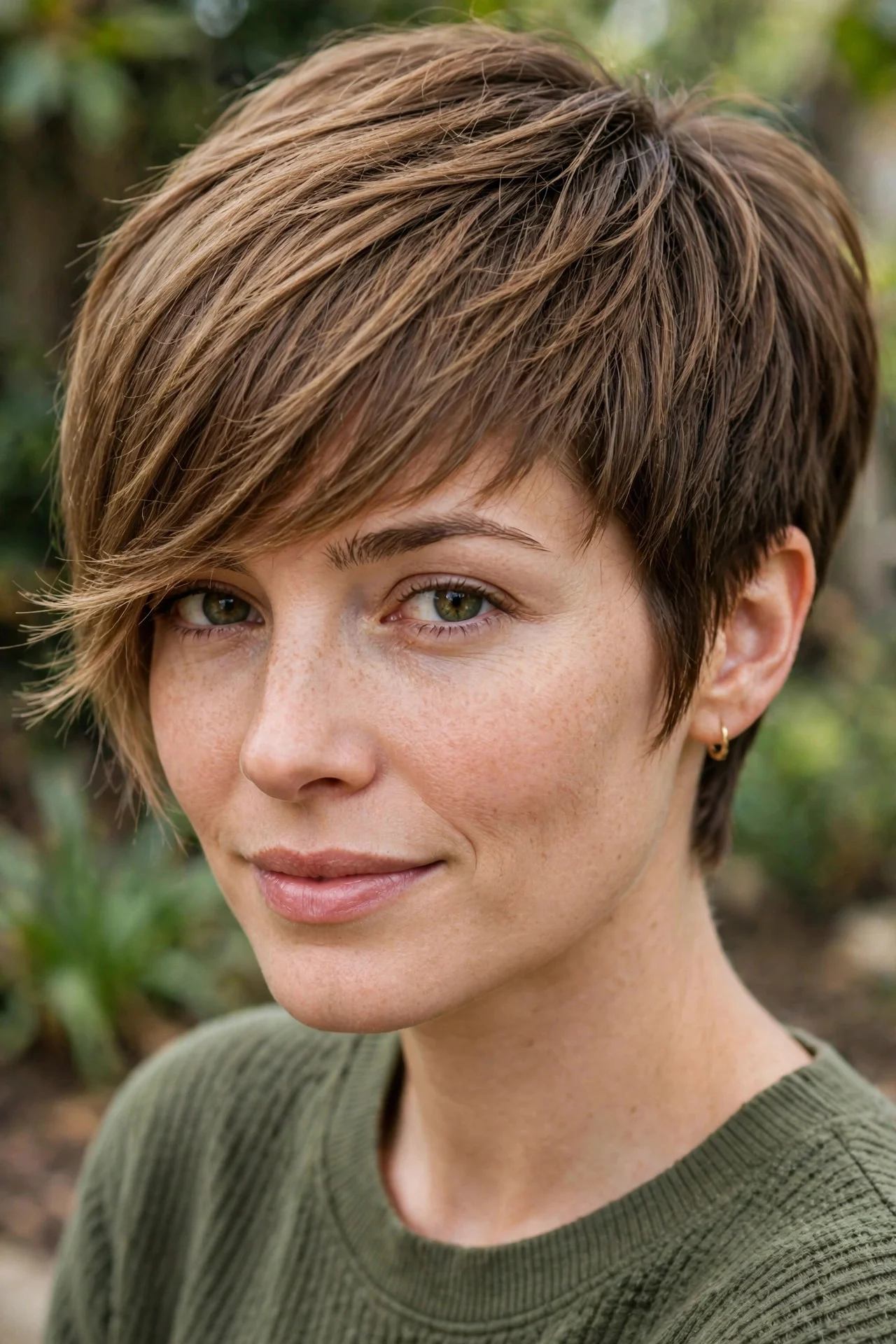
A pixie with a longer, sweeping fringe is a bold but very flattering option for a small forehead. Ask for short, tapered sides and back, with enough length on top to sweep across the forehead and cheek. This suits oval and heart faces, and it works best on straight or slightly wavy hair that holds a shape. Styling is quick, often just a dab of pomade and a finger comb, which makes mornings easy. The cost is frequency. Pixies need a cut every three to four weeks to hold their shape, and growing one out takes patience. If you like changing your look often, this is a commitment, but the payoff is a sharp, confident finish.
8Blunt Bob With a Light Fringe

A blunt bob cut to the jaw, paired with a light, eyebrow skimming fringe, can balance a small forehead by adding a clean horizontal line. Ask your stylist to keep the fringe thin and slightly textured at the ends, not thick and heavy, so it softens rather than shortens the face. This suits straight, medium density hair best, and it looks polished on oval and long faces. Blow dry the fringe forward with a flat brush, then smooth the bob with a paddle brush. The drawback is precision. Blunt cuts show every uneven inch, so trims every five to six weeks are essential, and humid weather can make the fringe curl or frizz without a smoothing serum.
9Loose Waves With a Side Part

Loose waves add width at the sides, which helps a small forehead feel proportionate rather than compressed. Ask for long layers and a side part, then wave the hair away from the face in large sections. This suits medium to thick hair, and it flatters round and heart faces by drawing attention outward. A large barrel curling iron or a braid out overnight both work, and the waves last a day or two with dry shampoo in between. The main drawback is heat. Regular curling without heat protectant leads to dryness and breakage, and very fine hair may lose the wave within hours unless you use a light holding spray or mousse before styling.
10Half Up Style With Face Framing Tendrils

A half up style is a lovely everyday option because it lifts the crown while leaving soft pieces around the face. Pull back the top section and secure it at the crown, then pull out two thin tendrils at the temples and let them fall to cheek length. This suits all hair types, and it is a good choice for weddings, work, or dinner when you want polish without a full updo. Add a little backcombing at the crown for height. The drawback is staying power. Fine or silky hair can slip out of pins, so use textured bobby pins or a small amount of hairspray, and keep a couple of spare pins in your bag for quick fixes during the day.
11Voluminous Blowout With Root Lift
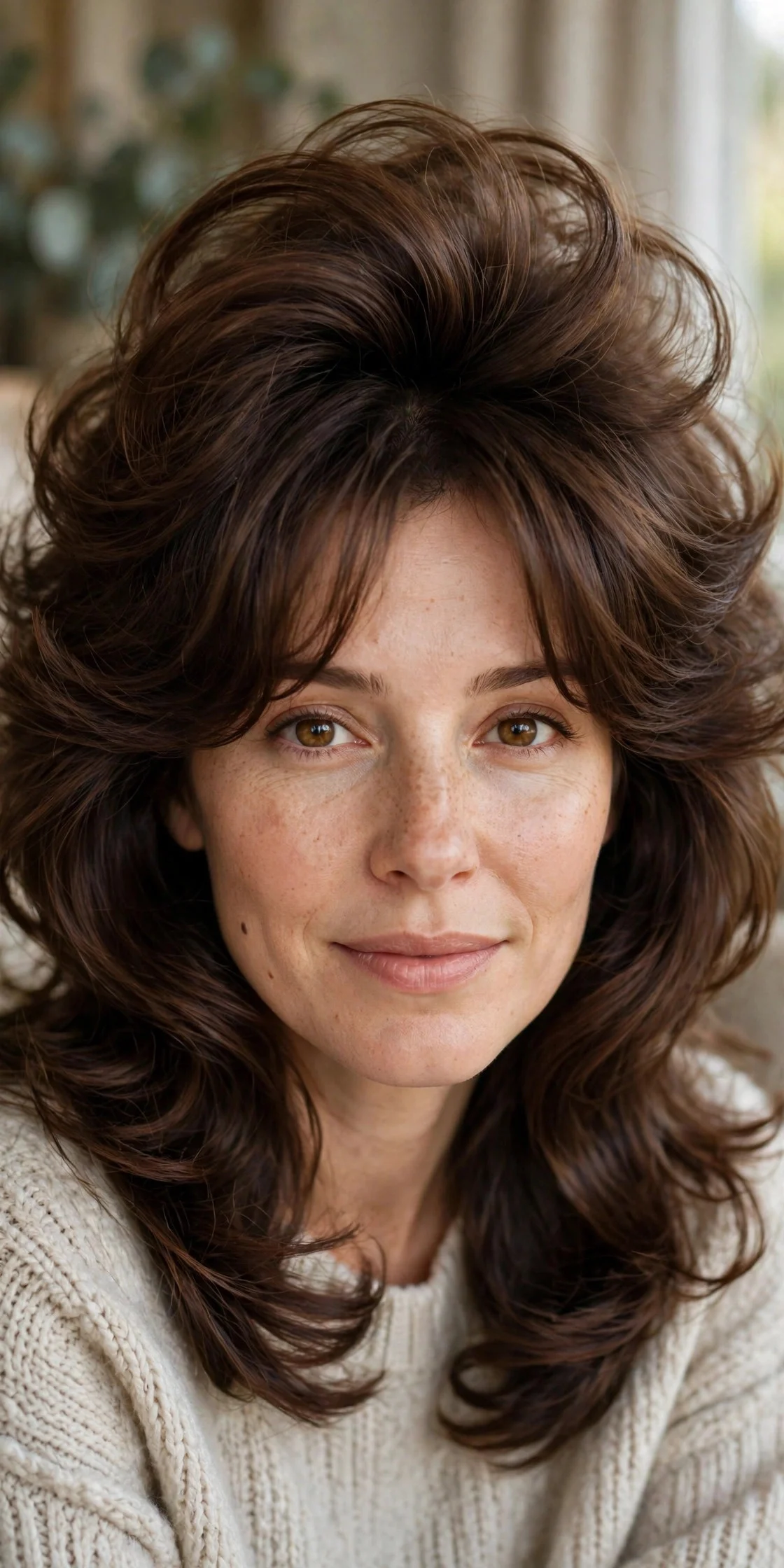
A voluminous blowout creates height at the crown, which visually lengthens the upper face and balances a small forehead. Ask your stylist for layers that support volume, especially around the crown, and a side or slightly off center part. At home, blow dry upside down for root lift, then use large rollers or a big round brush to smooth the lengths. This suits medium to thick hair best, and it photographs beautifully. The drawback is effort. A full blowout takes twenty to thirty minutes, and it rarely survives humidity or a workout. If you want this look daily, a good blow dry brush and a strong but flexible hairspray will save time and frustration.
12Low Bun With Soft Tendrils

A low bun is elegant and practical, and with the right finishing touches it flatters a small forehead too. Gather the hair loosely at the nape, twist it into a soft bun, and pull out a few wispy pieces around the hairline and ears. Avoid pulling everything back tightly, which can emphasize a small forehead, and instead keep the front relaxed and slightly textured. This suits all hair types and most face shapes, and it works for both office days and formal events. The drawback is tension. A bun worn too tight, too often, can cause breakage at the hairline, so keep it loose, vary your part, and give your hair a break with it worn down on other days.
Hair care and styling tips
Start with the hairline. A small forehead shows product buildup quickly, so wash fringe and face framing pieces more often than the rest of your hair if they get oily, or use dry shampoo at the roots between washes. When you blow dry, always direct fringe and front layers forward first, while they are wettest, because once they dry in the wrong direction they are hard to retrain.
Choose products for your texture, not for the style in the photo. Fine hair needs light mousse and volumizing spray, thick hair benefits from smoothing cream, and curly hair does best with a leave in conditioner and a diffuser. Trim fringe every four to six weeks, even if the rest of your hair can wait longer, since grown out bangs change the whole balance of the cut.
How do I know if bangs suit a small forehead?
Bangs can suit a small forehead very well, as long as they are light and well placed. Wispy, side swept, or curtain styles work better than thick, blunt blocks, because they add softness without covering too much space. Ask your stylist to cut them slightly longer than you think you want at first.
What part is most flattering for a small forehead?
A deep side part is usually the most flattering, because it creates asymmetry and visual length above the brow. An off center part is a good middle ground if a deep part feels too dramatic for you. A strict center part can work too, but only when paired with face framing layers or a curtain fringe, since a bare center part can draw attention straight to the hairline and make a small forehead look even smaller.
Should I avoid short hair if I have a small forehead?
No, short hair can look wonderful with a small forehead, especially a pixie with a longer fringe or a bob with soft layers. The key is keeping some length or texture around the face rather than cutting everything tight and severe. Talk to your stylist about your hairline shape and cowlicks before committing, and bring photos of cuts you like so you can agree on how much forehead coverage you actually want.
How often should I trim bangs on a small forehead?
Most fringe styles need a trim every four to six weeks, and pixies every three to four weeks. This sounds frequent, but it is what keeps the shape intentional. Many salons offer free or low cost fringe trims between full appointments, so ask about that when you book. If you trim at home, cut dry hair a tiny amount at a time, and never cut straight across while the hair is wet, since it shrinks as it dries.
Can I style a small forehead without cutting bangs?
Absolutely. A deep side part, voluminous blowout, face framing layers, or a half up style can all balance proportions without any fringe at all. Focus on adding width at the sides or height at the crown, and keep the front soft rather than scraped back tightly. These options are ideal if you are growing out bangs, prefer low maintenance styling, or simply do not like hair on your forehead.
Keep exploring
If you liked these hairstyles for small foreheads, check out hairstyles for glasses wearers, hairstyles for women in their 40s, chin-length bob for fine hair for more ideas.