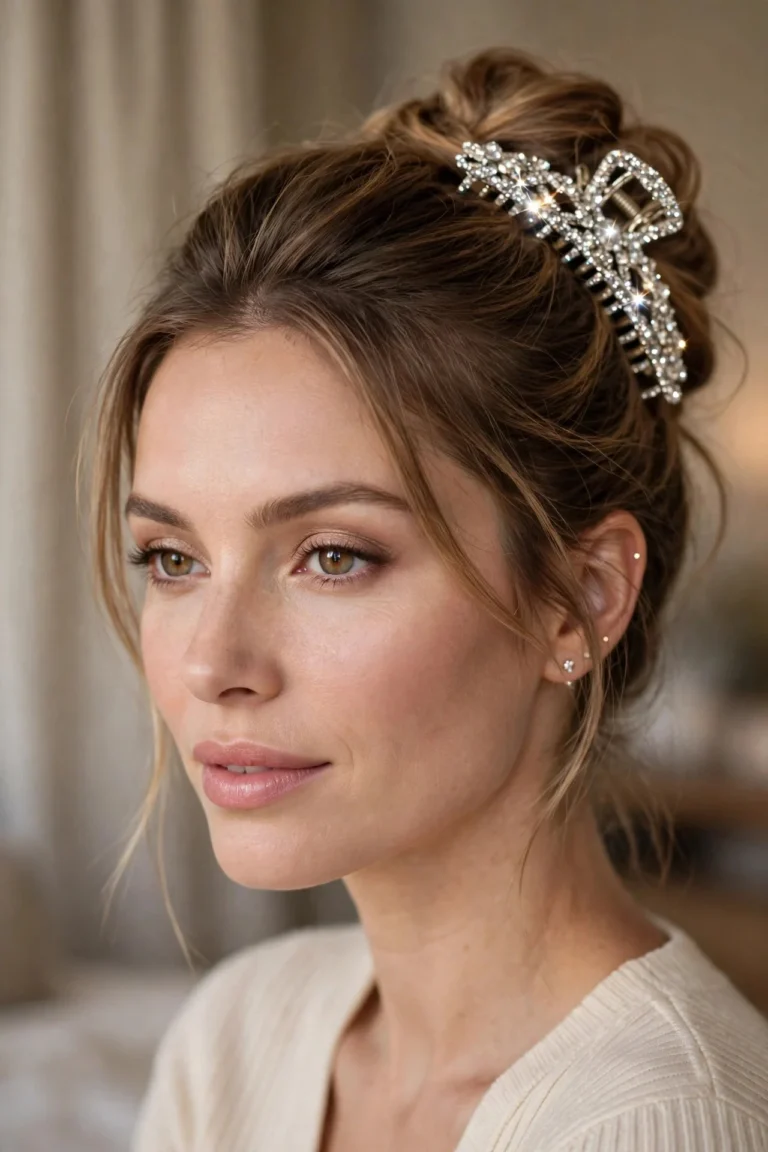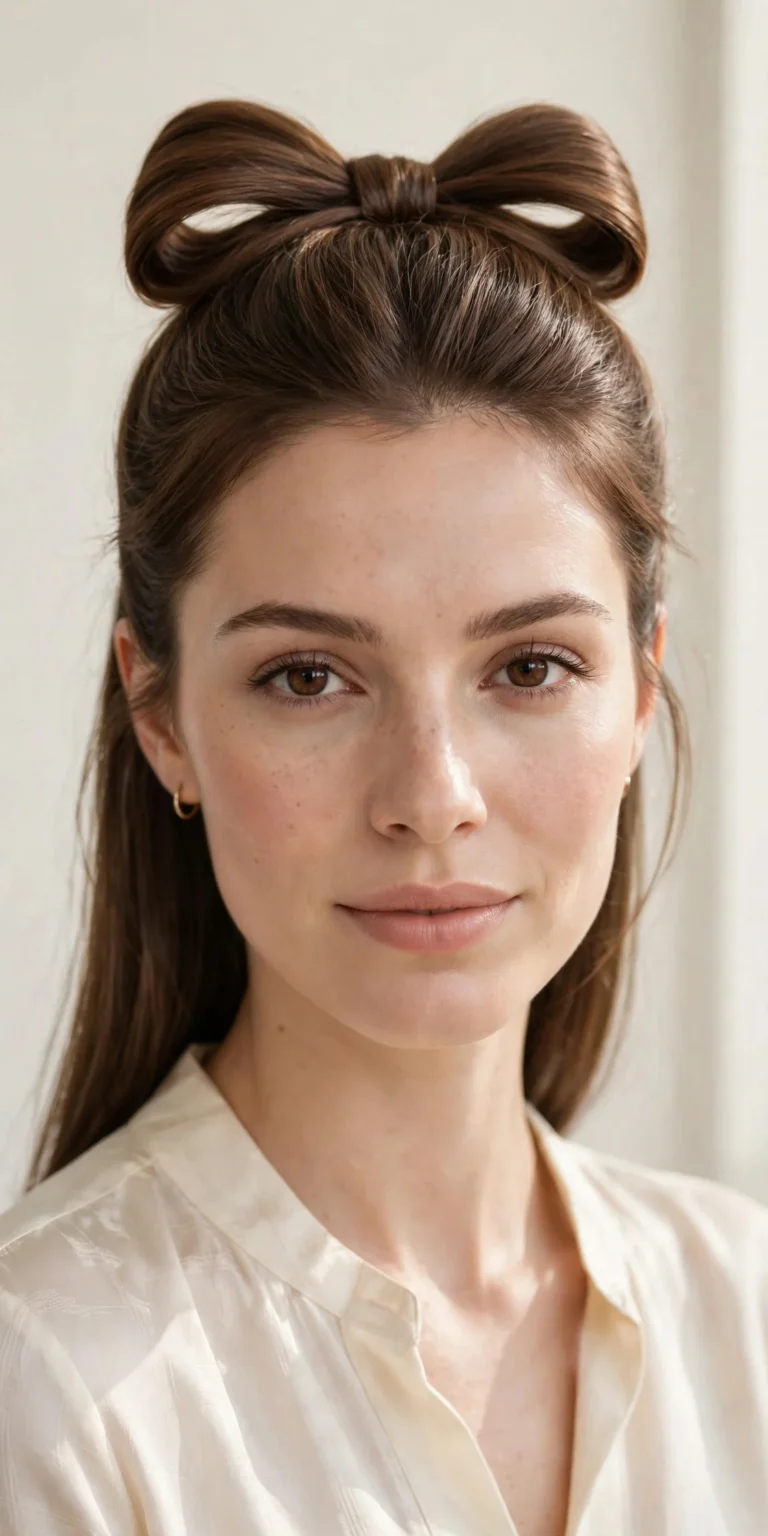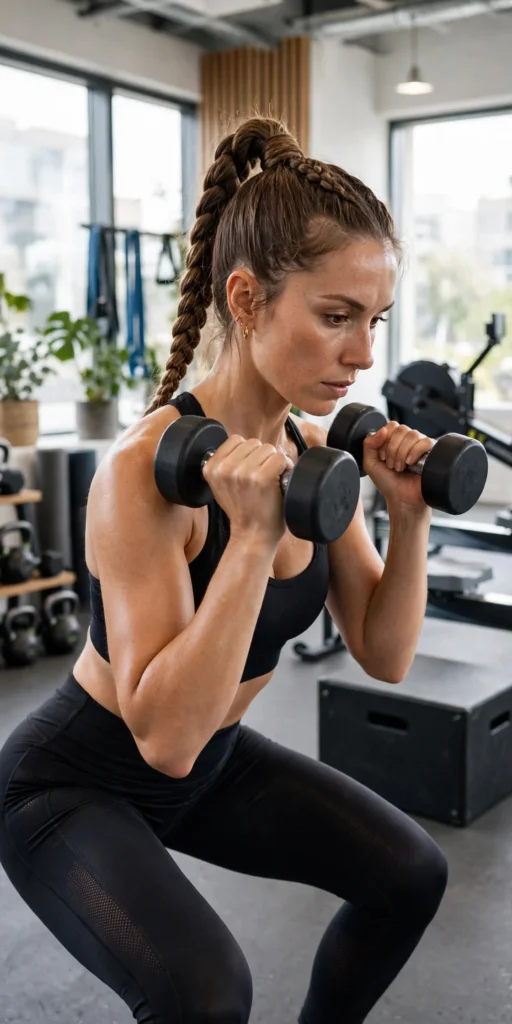
Nothing ruins a workout faster than hair falling into your face on every rep. The best gym hairstyles do two things at once. They keep hair off your neck and out of your eyes, and they survive sweat, movement, and a headphone band without needing constant fixing. The styles below are chosen for real training, not just for looking good in the mirror before you start. Pick one that matches your hair length, texture, and the kind of workout you do most.
1High Braided Ponytail
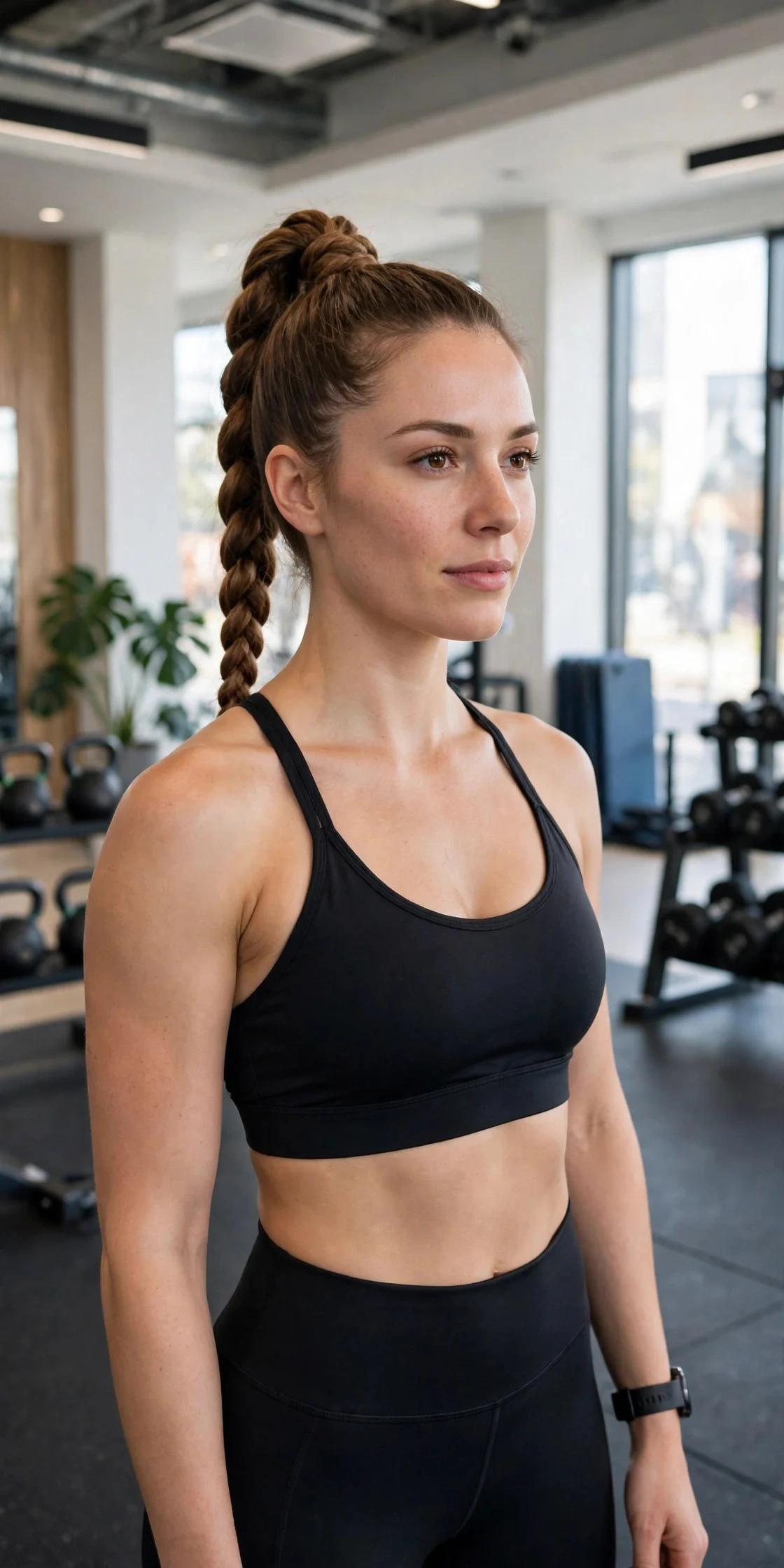
Start with a high ponytail secured with a thick, snag-free elastic, then braid the length and tie off the end. Ask your stylist to show you how to braid tightly at the base so the braid does not loosen once you start moving. This suits medium to long hair, straight or wavy, and it works well for running, HIIT, and dance classes. Maintenance is simple. Re-braid after washing and keep a spare elastic in your gym bag. The drawback is tension. A very tight high ponytail worn daily can strain the hairline, so loosen it on rest days and vary the position.
2Double French Braids
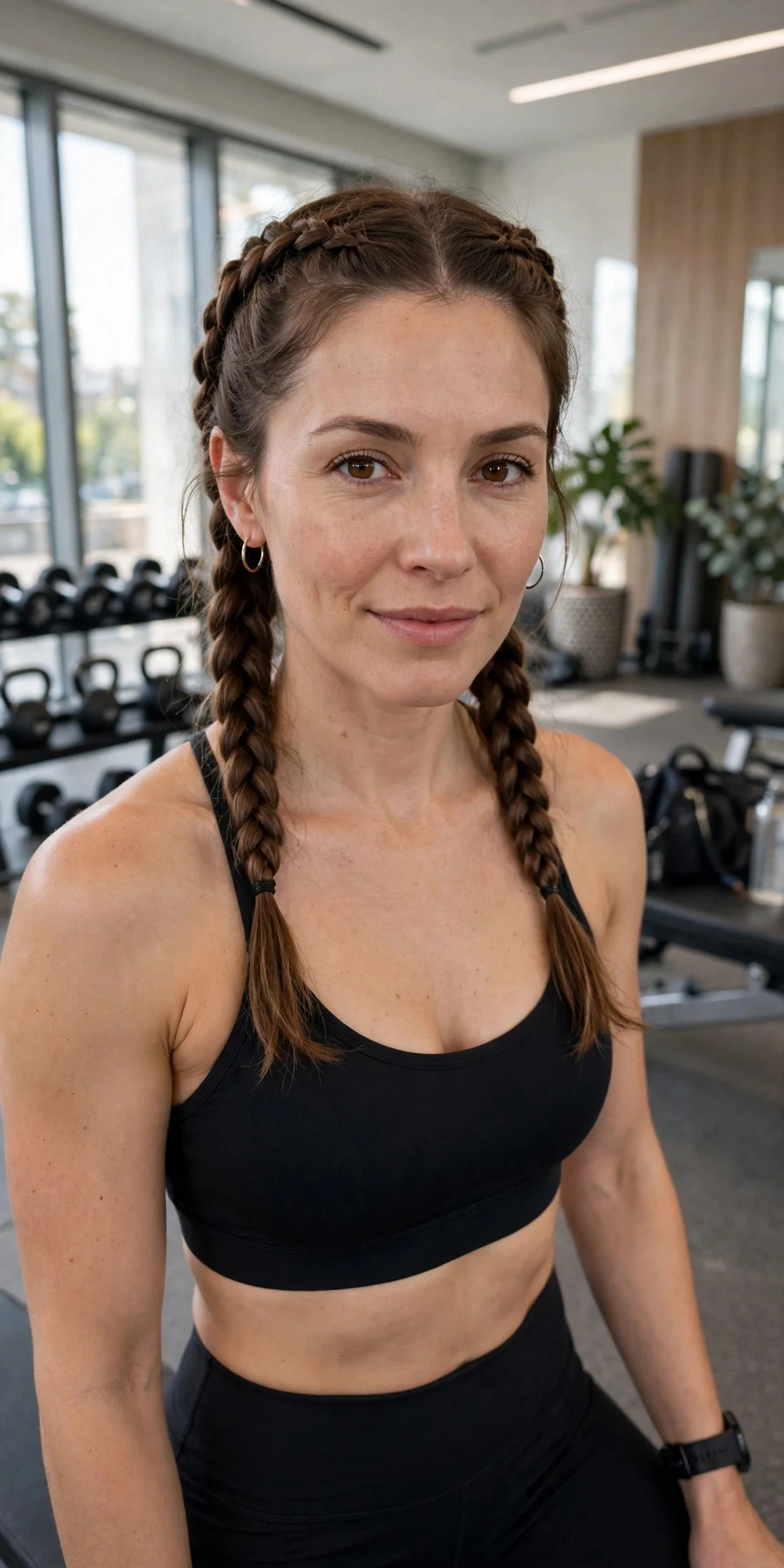
Two French braids, one on each side, are the most reliable option for intense training. Ask your braider for small, even sections and a firm finish at the nape so nothing slips during burpees or floor work. This style suits almost every hair type, including thick and curly hair, and it keeps short layers tucked in better than a single ponytail. It takes practice to do yourself, and a salon braid can cost more than a simple style. The upside is longevity. Done well, it lasts through a full workout and still looks neat afterward.
3Slicked-Back Low Bun
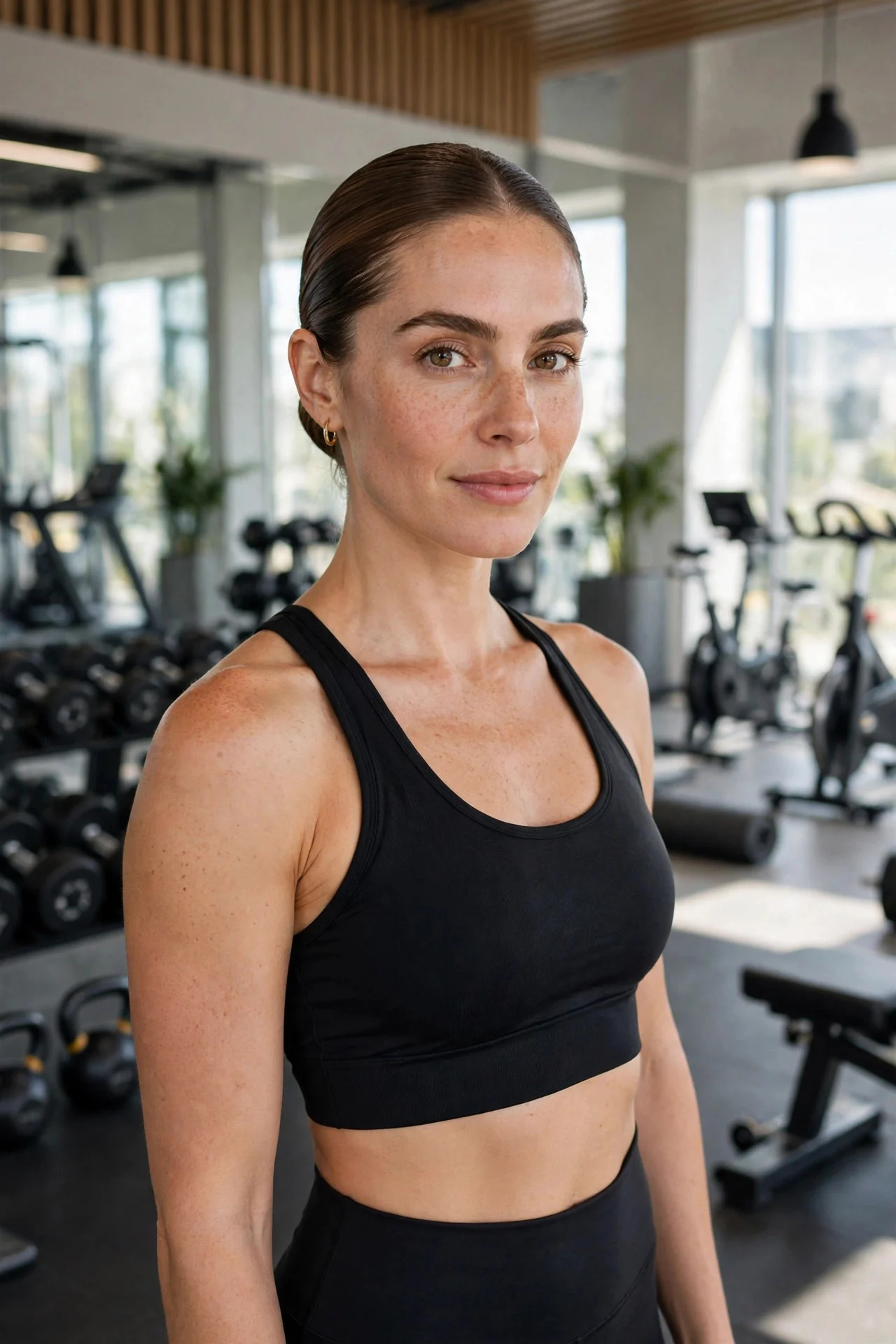
Apply a light gel or styling cream, brush hair back, twist it into a low bun at the nape, and pin it firmly. Ask your stylist for a blunt, easy-to-gather cut if your layers keep escaping, since blunt ends tuck in far more cleanly. This suits straight and fine hair especially well, and it is ideal for yoga, Pilates, and weight training where a high style would interfere with a bench. Upkeep is minimal, just pins and a little product. The drawback is product buildup, so wash thoroughly after sweaty sessions and avoid heavy gels on fine hair.
4Bubble Ponytail
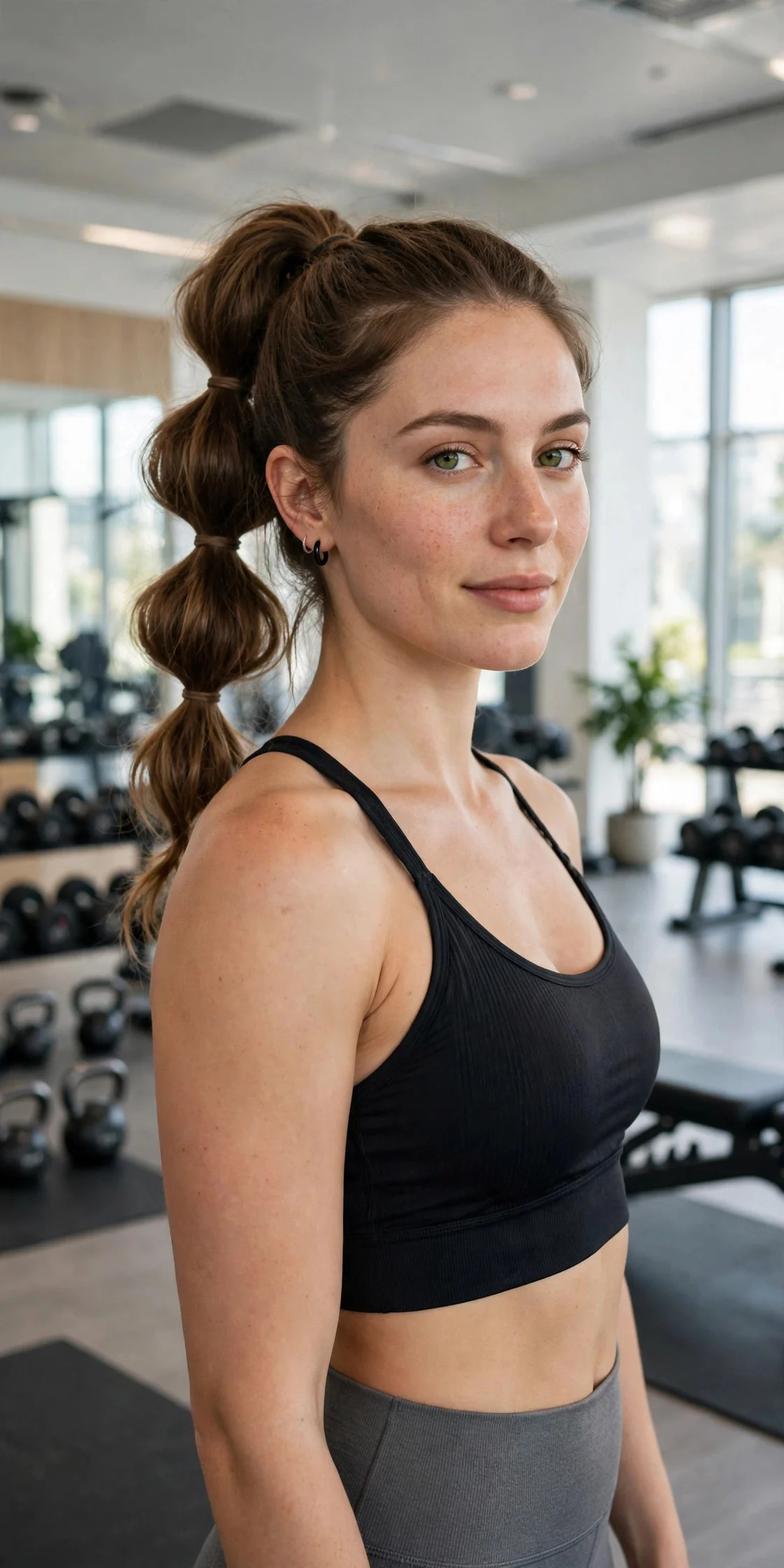
Secure a high or mid ponytail, then add elastics every few inches down the length and gently pull each section out to form bubbles. Ask your stylist to cut long layers that give the bubbles volume without thinning the ends too much. This suits long, medium-thickness hair and is great for cardio and group classes, since nothing hangs loose near the face. It needs several elastics and a few minutes of prep. The drawback is breakage risk from too many tight elastics, so use soft, snag-free bands and take them out gently.
5Boxer Braids With a Low Bun
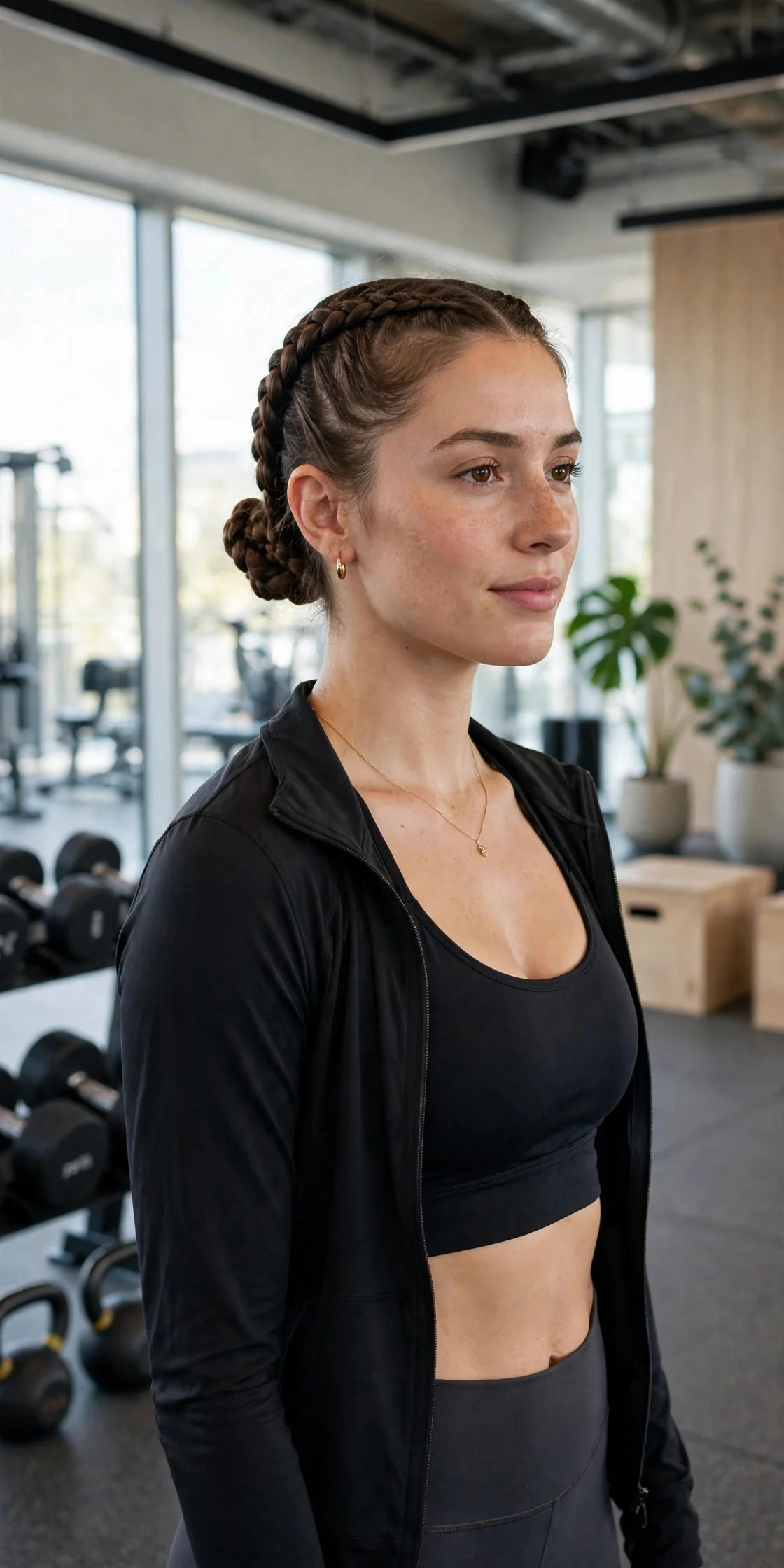
Braid two Dutch braids from the hairline to the nape, then twist the remaining ends together into a small bun. Ask your braider to keep the braids snug at the front, where flyaways usually appear first. This suits thick, textured, and long hair, and it is a strong choice for boxing, martial arts, and CrossFit, where hair must stay completely contained. It holds up well under a headband or helmet. The cost is time. It takes longer to install than a ponytail, and tight braids done too often can stress the edges, so give your hair rest days.
6Messy Top Knot With Pins
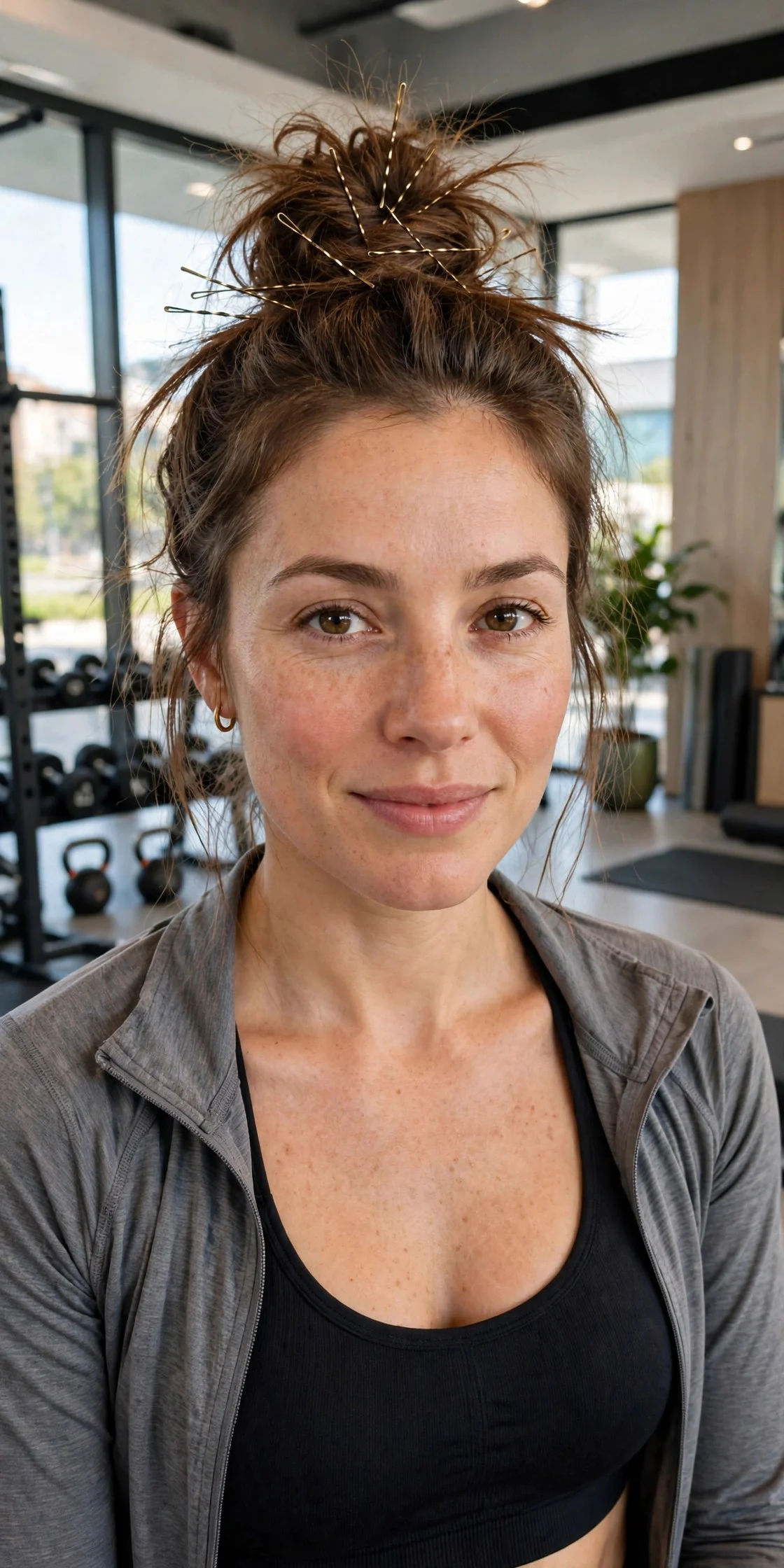
Gather hair on top of the head, twist it into a knot, and anchor it with at least four bobby pins placed in different directions. Ask your stylist for long layers on top if your knot keeps collapsing, since a bit of length gives the twist something to grip. This suits medium to long hair and works best for low-impact sessions like stretching, walking, and light weights. It is fast and needs no heat or product. The drawback is security. It is not the pick for sprinting or jumping, and fine hair may need texturizing spray to hold the knot.
7Cornrows
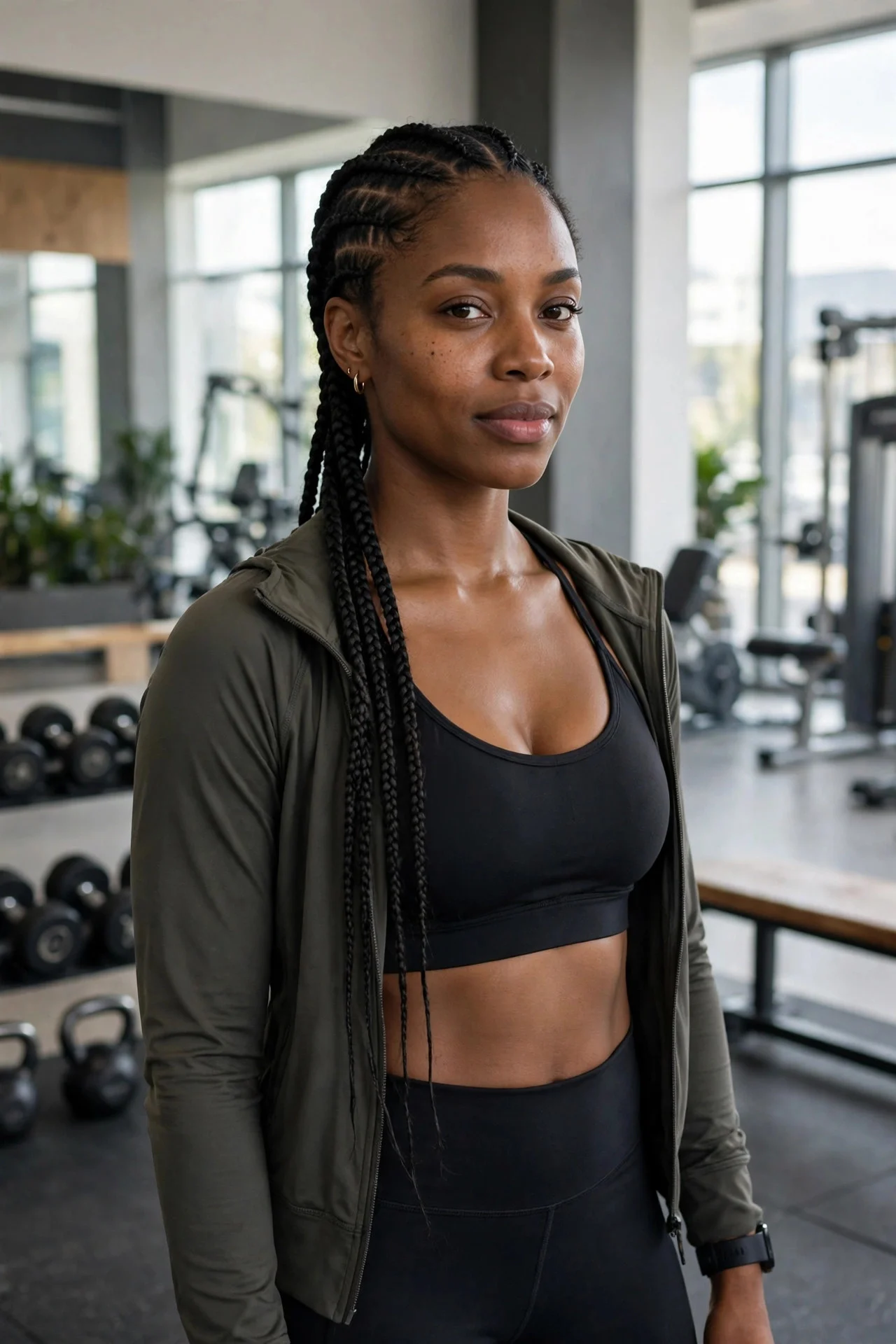
Cornrows braided close to the scalp are one of the most secure gym styles available. Ask your braider for a pattern that follows your natural part and for tension that feels firm but not painful. This suits textured and coily hair best, and it handles swimming, running, and heavy sweating with ease. A set can last one to three weeks with a silk scarf at night and light oil on the scalp. The drawback is cost and time at installation, plus the need to avoid overly tight rows, which can damage follicles over time.
8Low Ponytail With a Headband
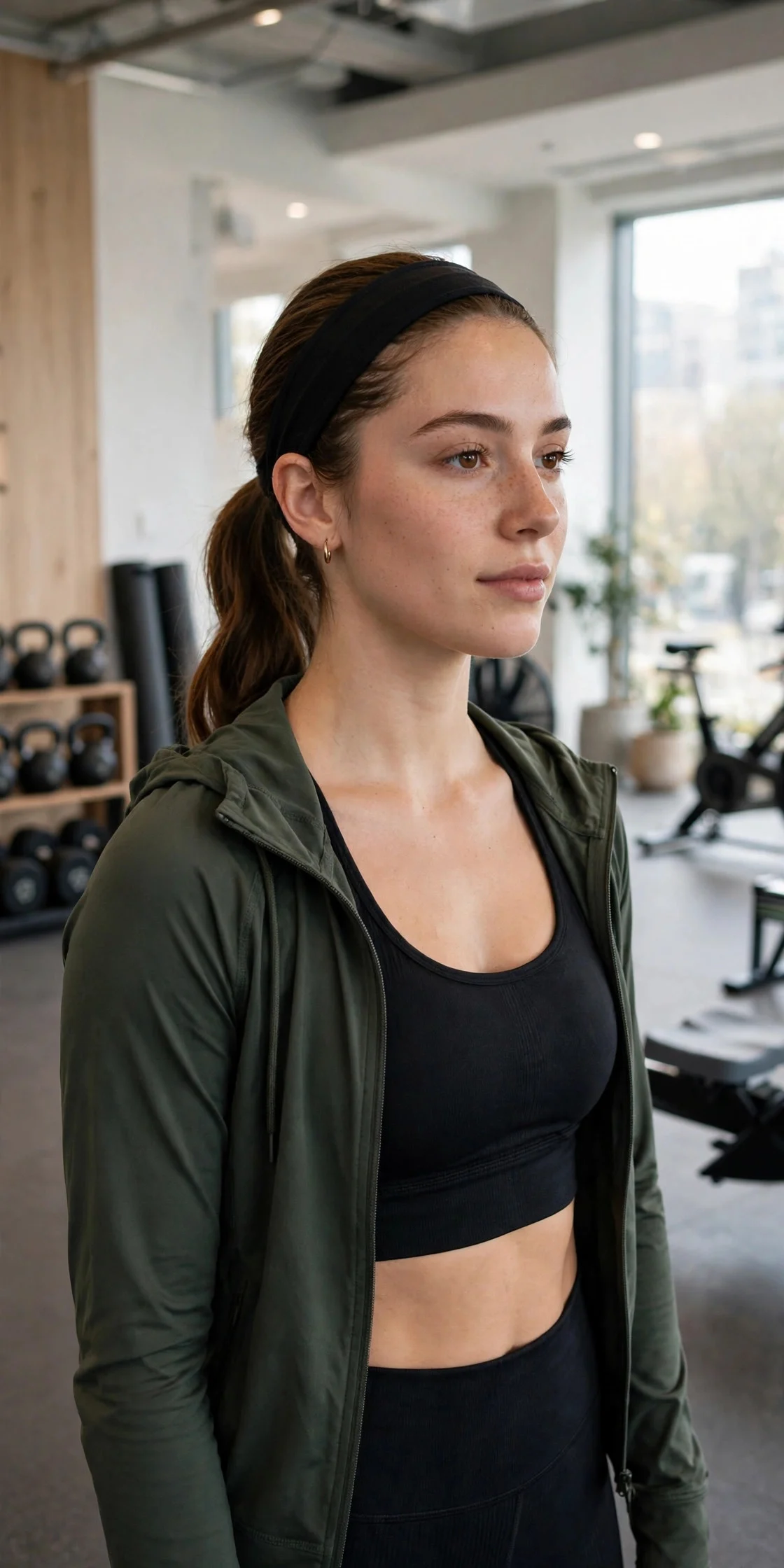
A low ponytail paired with a wide, non-slip headband keeps short layers and baby hairs under control. Ask your stylist for face-framing layers that are long enough to tuck behind the ears, and choose a headband with silicone grip on the inside. This suits short to medium hair, fine hair, and anyone growing out a cut. It is perfect for cycling and spin classes, where a helmet sits over the top. Upkeep is almost zero. The drawback is that cheap headbands slide once sweat builds up, so invest in one good grip headband rather than several thin ones.
9Space Buns
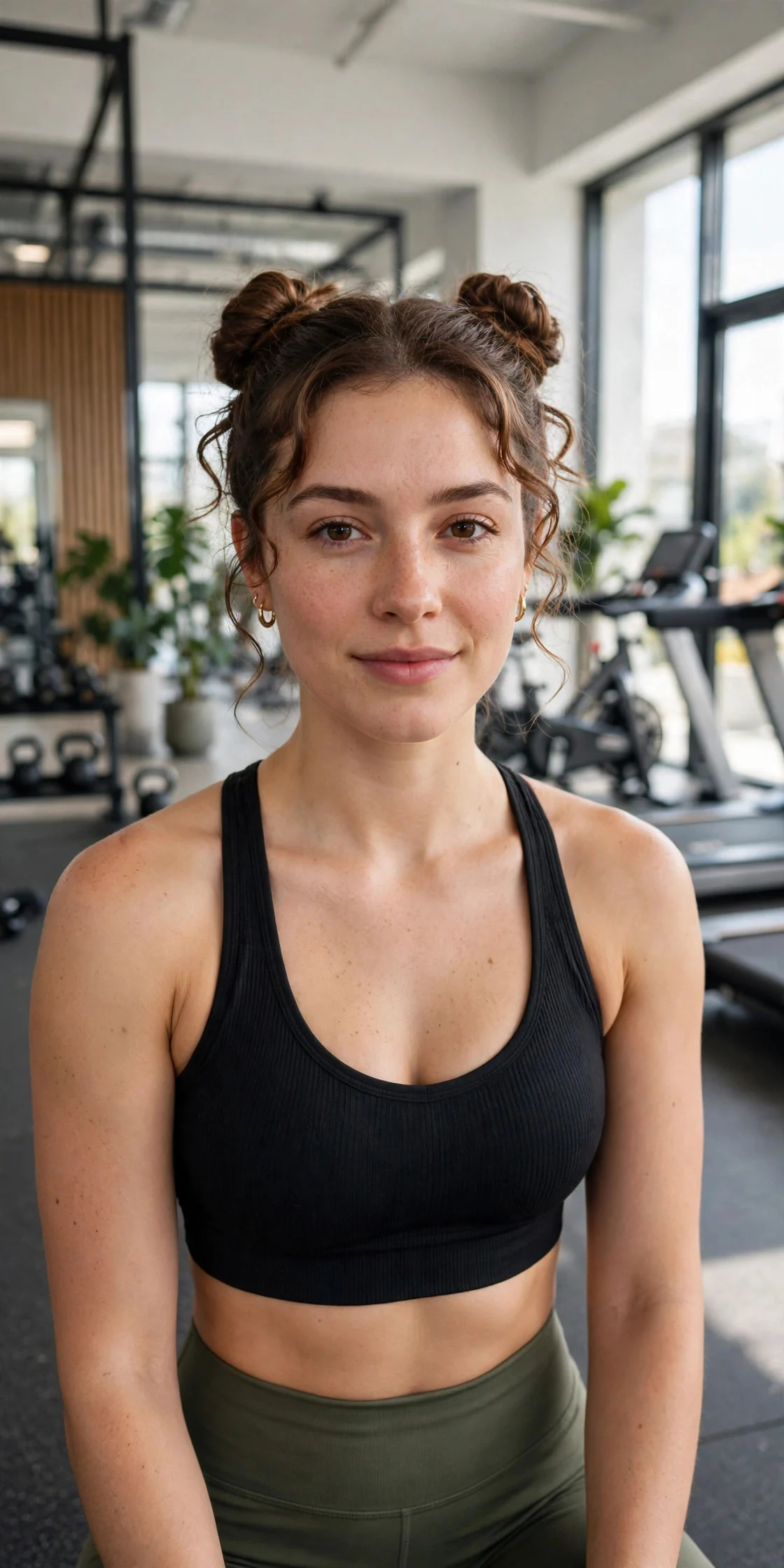
Part hair down the middle, make two high ponytails, and twist each into a bun, pinning firmly. Ask your stylist to keep the part clean and the buns balanced, since uneven buns pull to one side during movement. This suits medium to long hair and is a fun, secure option for dance workouts and HIIT. It distributes weight better than a single top knot, which means less neck strain. The drawback is that it takes more pins and a bit of practice to get both buns even, and very thick hair can make the buns heavy.
10Fishtail Braid Ponytail
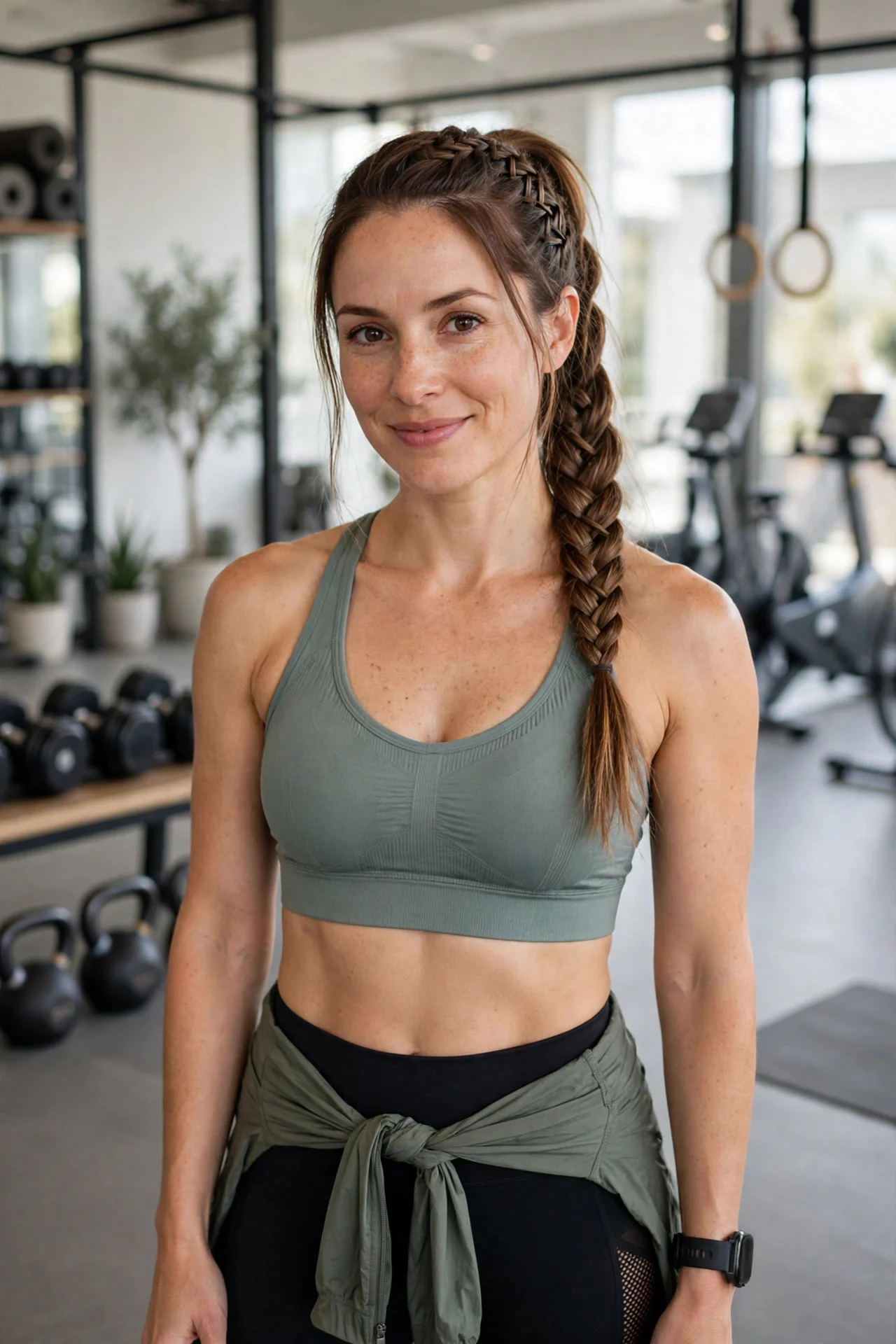
Pull hair into a ponytail, then fishtail braid the length, splitting it into two sections and crossing small pieces over. Ask your stylist to demonstrate the fishtail technique once, since it looks complex but is easy after the first try. This suits long, straight or wavy hair and works well for steady cardio, hiking on a treadmill incline, and outdoor training. It stays neater than a loose ponytail because the braid locks the length together. The drawback is that fine hair can slip out of a fishtail, so finish with a light-hold spray and a strong end elastic.
11Short Crop With Sweatband
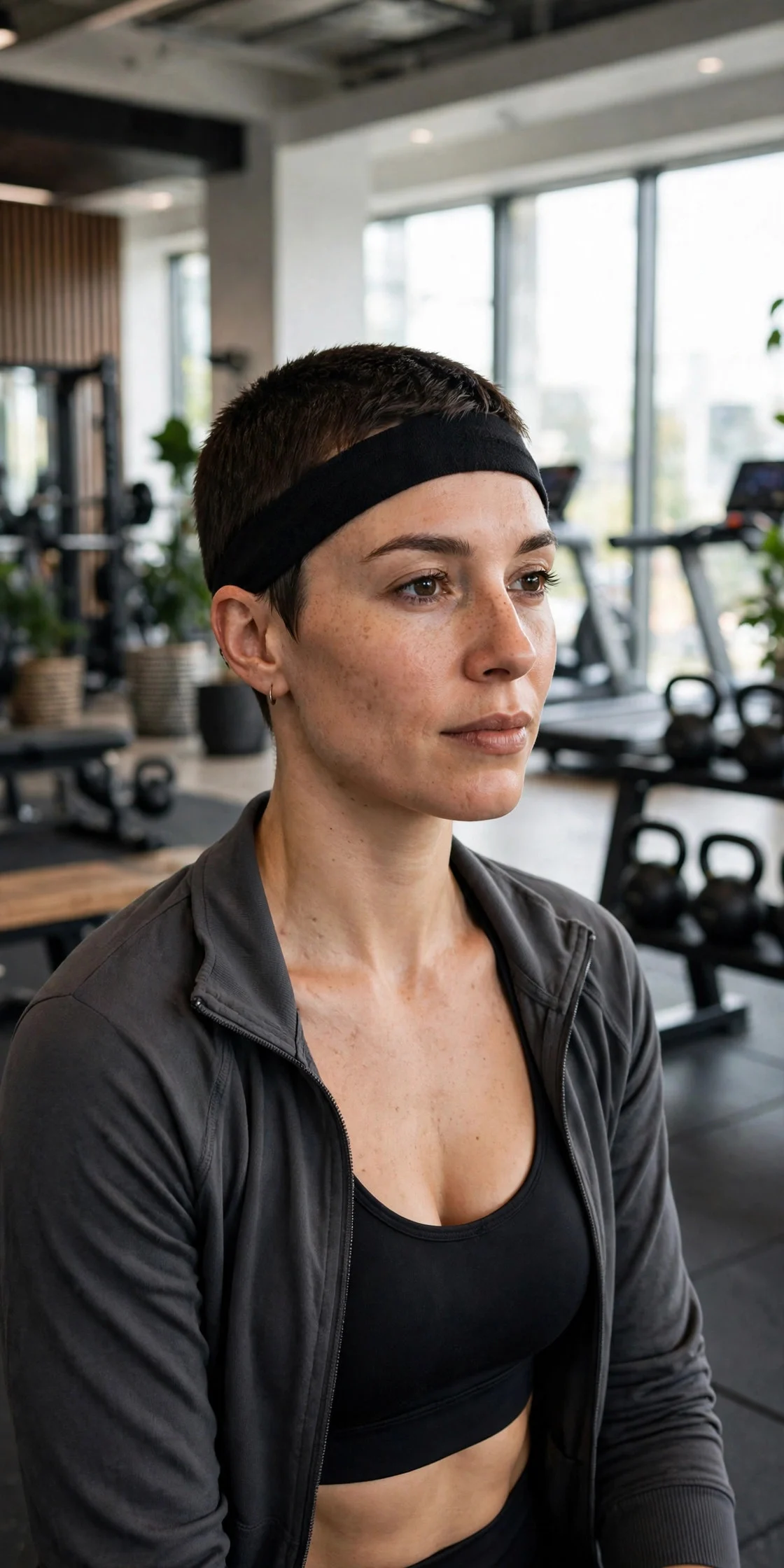
A short crop, like a pixie or a textured bob tucked behind the ears, plus a sweatband is the lowest-maintenance gym combination. Ask your barber or stylist for a cut that keeps hair off the neck and out of the eyes without daily styling, and bring your sweatband to the appointment so the length works with it. This suits anyone ready for a shorter cut, and it is ideal for all workout types, especially swimming and hot yoga. Trims every four to six weeks keep the shape. The drawback is commitment. Growing it out takes patience, and styling options are fewer.
12Braided Headband With a Bun
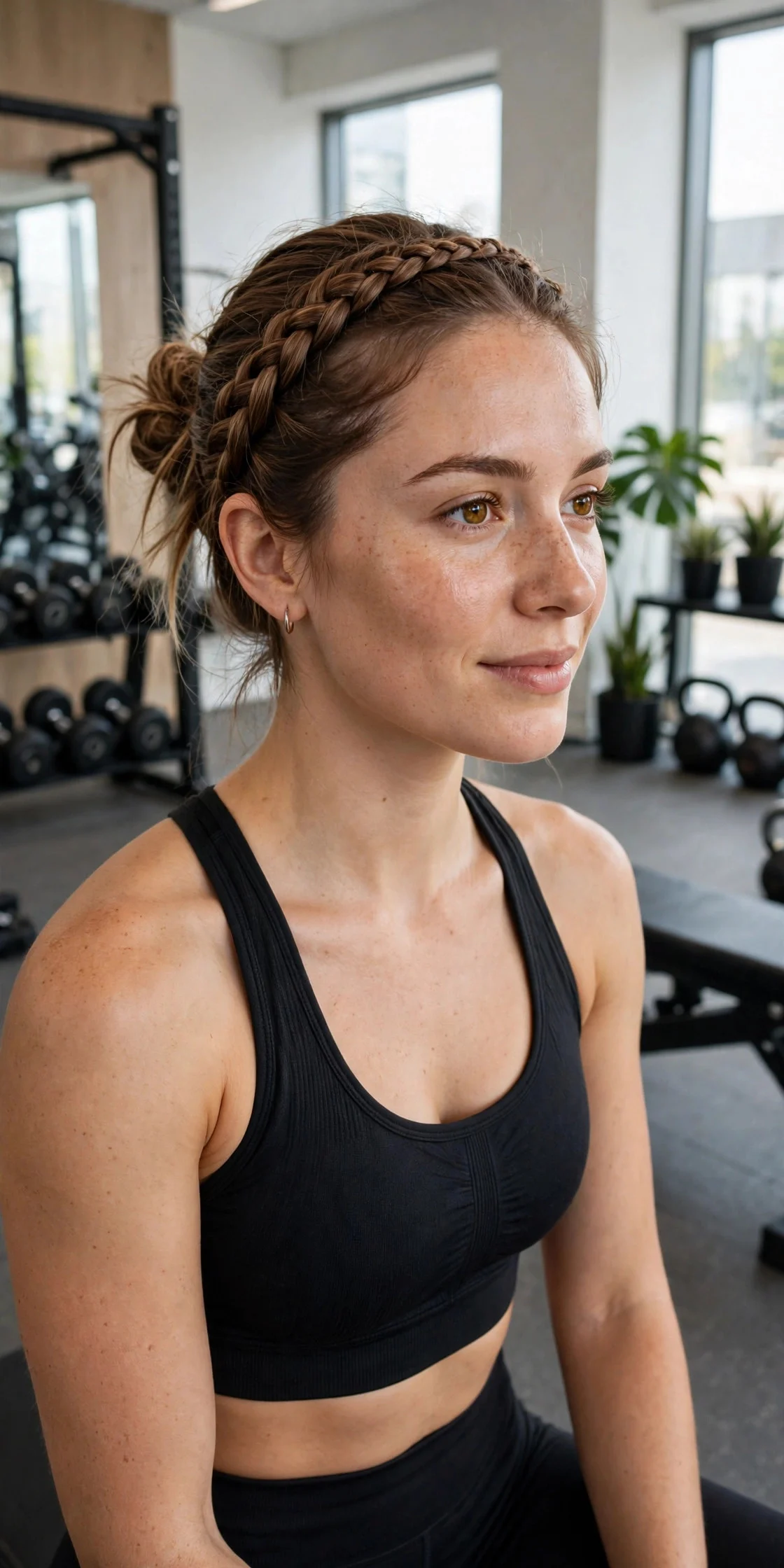
Braid a section from one side of the hairline across to the other, like a headband, then gather the rest into a bun. Ask your stylist to show you how to braid the front section tightly enough that it does not loosen with sweat. This suits medium to long hair, including wavy and curly textures, and it is excellent for classes where you lie on a mat, since the bun sits low and flat. It keeps every front layer out of the way. The drawback is that it needs some braiding skill and a few pins, so practice it at home before relying on it for a big session.
Workout Hair Care and Styling Tips
Sweat itself does not damage hair, but leaving it to dry in a tight style does. After training, take your hair down as soon as you can, rinse or wash if you used product, and let it air dry before re-tying it. Rotate styles through the week so the same spot on your hairline never takes all the tension. Keep your gym kit simple: snag-free elastics, a few strong bobby pins, a grip headband, and a small bottle of dry shampoo for days between washes. If you swim, wet hair with clean water and apply conditioner before getting in the pool, then wash afterward to remove chlorine. For braided styles, protect them at night with a silk scarf or pillowcase to reduce frizz and extend the style by days.
How often should I wash my hair if I work out daily?
You do not need a full shampoo after every session. Rinse with water after most workouts, use dry shampoo on the roots when needed, and shampoo two to four times a week depending on how oily your scalp gets. If you use a lot of gel or wax, wash more often to prevent buildup.
Will tight gym hairstyles cause hair loss?
Occasional tight styles are fine, but constant, severe tension can lead to breakage and thinning around the hairline over time. Vary your styles, keep ponytails and braids firm rather than painfully tight, and give your hair loose days between intense training weeks.
What is the best gym hairstyle for very thick hair?
Braids are the most reliable choice for thick hair. Double French braids or boxer braids distribute weight evenly and keep bulk under control, while a single ponytail can feel heavy and slip. Use thick elastics and extra pins to anchor the style.
Can I wear my gym hairstyle to work afterward?
Yes, several of these transition well. A slicked-back low bun, a braided ponytail, and cornrows all look polished after a workout with a quick refresh. Carry a small brush, a few pins, and dry shampoo to tidy flyaways and absorb sweat before you head out.
How do I stop bobby pins from sliding out during workouts?
Cross two pins over each other in an X shape, push them in with the wavy side against your scalp, and spray a little texturizing spray on the pins before inserting them. For very smooth hair, a light-hold hairspray on the finished style adds grip without stiffness.
Keep exploring
For workout-proof styles, see these braided ponytail ideas and how to do a messy bun in 60 seconds. Short hair works too with space buns for short hair.