I’d been a committed brunette for as long as I could remember when a colorist friend casually mentioned “cherry bomb” hair while we were catching up over coffee. I’d seen the term floating around online but hadn’t paid much attention to it, assuming it was just another fleeting color name for a shade of red I’d seen plenty of times before. She convinced me to actually look it up properly, and within a week I’d booked a consultation. A vivid, glossy, true red felt like exactly the kind of bold change I’d been quietly wanting without realizing it.
Months later, with a head full of this specific shade and a much deeper understanding of what separates it from other red hair trends, I want to break down exactly what cherry bomb hair is, why it’s having such a major moment, and everything involved in actually getting and maintaining it.
What Exactly Is Cherry Bomb Hair?

The term refers to a specific, vivid, true-red hair color, more saturated and vibrant than auburn or strawberry tones, but typically warmer and glossier than a deep burgundy or wine shade. Think the rich, juicy red of an actual cherry rather than the more brownish-red of auburn or the purple-leaning tones of burgundy.
What distinguishes this trend from red hair color in general is the specific emphasis on vibrancy and shine. Cherry bomb hair isn’t meant to look subtle or naturally occurring. It’s a deliberate, bold color statement, almost always paired with a high-gloss finish that makes the color appear even more saturated and eye-catching.
Why This Particular Red Shade Is Having Such a Major Moment

Red hair trends come and go in waves, but this specific iteration has caught on in a way that feels distinct from previous red color moments.
It offers maximum impact with relative wearability. Unlike some bold fantasy colors that read as costume-like, a true, vivid red still falls within a recognizable, natural hair color family, making it feel like a dramatic but ultimately wearable choice for a much broader range of people than something like blue or purple hair might.
The emphasis on gloss and shine fits current broader color trends. The beauty world generally has been emphasizing high-shine, healthy-looking hair across multiple color trends recently, and cherry bomb red benefits enormously from this emphasis, since the vibrancy of the shade is significantly enhanced by a glossy, reflective finish.
It photographs and films incredibly well. Bold, saturated colors tend to perform exceptionally well on visual platforms, and cherry bomb red’s vividness translates beautifully both in natural light and under the more controlled lighting of photography and video content.
It offers a genuine alternative to the neutral, muted tones that dominated for years. After a long stretch of beauty trends favoring soft, natural-looking, low-maintenance neutral colors, a lot of people are ready for something that reads as a genuine, intentional style statement, and this particular red delivers that in a way that still feels sophisticated rather than overly costume-like.
Who This Color Tends to Suit Best
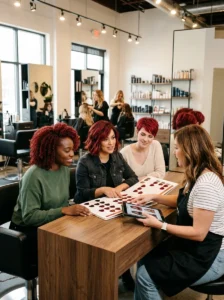
Before getting into the how-to, it’s worth honestly addressing who this particular shade tends to be most flattering on, based on what I learned through my own consultation process.
Skin undertone matters significantly for this shade. Cherry bomb red, being a warm, vivid tone, tends to be most universally flattering on warm and neutral undertones. Those with cooler undertones can absolutely still wear this color beautifully, but a good colorist may suggest slight adjustments to the specific red tone to ensure it complements rather than clashes with cooler skin.
Starting hair color affects the process significantly. Those starting from a naturally dark base will likely need a different process than those starting from a lighter or previously colored base, which affects both the timeline and the long-term maintenance required.
Eye color often gets mentioned in styling discussions, though this is more about personal preference than a strict rule. Many people find that vivid red hair creates striking contrast with green, hazel, or blue eyes, though brown-eyed individuals certainly wear this shade beautifully as well.
The Process: What Actually Goes Into Getting This Color

This was the part of my own research that surprised me most, since I’d assumed red hair color was generally simpler than going blonde. The reality, especially for achieving a specific, vivid shade like cherry bomb, involves more nuance than I expected.
Red pigment requires significant saturation to achieve true vibrancy. Red hair dye molecules are notoriously large and can fade faster than other colors if not properly saturated during the initial application, which is why colorists specializing in vivid reds often use specific techniques to maximize how thoroughly the color saturates each strand.
Pre-lightening may be necessary depending on your starting color. Those with naturally dark hair may need some degree of lightening before the red can achieve its full, vivid intensity, since red pigment over a very dark base can sometimes appear more subtle or muted than the true cherry bomb effect requires.
A glossing or toning step is often essential to the final result. Given how central shine is to this particular trend, many colorists incorporate a dedicated glossing treatment as part of the overall process, not just as routine maintenance, to ensure the color reads as vivid and reflective rather than flat.
Maintaining Cherry Bomb Red: What I’ve Learned

Red is famously one of the more high-maintenance hair colors to maintain, and cherry bomb specifically, given its emphasis on vibrancy, requires real commitment. Here’s what’s genuinely worked for me.
Color-safe, sulfate-free shampoo is completely non-negotiable. Red pigment fades faster than almost any other hair color, and sulfates accelerate that fading process significantly. I switched to a dedicated color-safe line immediately and noticed a real difference in how long my color stayed vibrant between washes.
Washing less frequently helps preserve vibrancy. I extended the time between washes more than I had with previous, less demanding colors, using dry shampoo on the days in between to manage oil without sacrificing color longevity.
Cool water rinses make a genuine difference. Hot water opens the hair cuticle more than cool water, which accelerates color fading. I switched to rinsing with cooler water specifically, even though it took some adjustment.
Regular gloss treatments between full color appointments. Given how central shine is to this particular look, I schedule a gloss treatment roughly every four weeks, which both maintains the vibrancy of the red and reinforces the high-shine finish that defines the trend.
UV protection becomes especially important. Red is particularly prone to fading from sun exposure, more so than many other hair colors. A leave-in product with UV protection has become a genuine staple in my routine since making this change.
How Often Does It Need a Full Touch-Up?

Based on my own experience and conversations with my colorist, full color appointments for maintaining genuine vibrancy tend to be needed every four to six weeks, which is more frequent than many other color trends require. This is one of the most important honest considerations before committing to this look, since the maintenance schedule and associated cost are genuinely higher than more low-maintenance color choices.
That said, even as the color gradually fades between appointments, cherry bomb red tends to fade into a still-attractive, slightly softer red rather than an unflattering or brassy tone, which means the in-between weeks still look intentional even if slightly less vivid than directly after a fresh appointment.
Styling Tips to Maximize the Cherry Bomb Effect

Beyond color maintenance, a few styling choices genuinely enhance how vivid and impactful this particular shade appears day to day.
Prioritize shine-enhancing styling products. A lightweight, high-shine serum or spray applied to finished styles amplifies the gloss that’s so central to this color’s overall effect.
Consider how your cut interacts with the color. Sleek, smooth styles tend to maximize how much the color catches and reflects light, while very textured or matte styling can sometimes mute the vivid effect slightly.
Be mindful of heat styling and its impact on vibrancy. Excessive heat styling can contribute to faster fading, so incorporating heat protectant consistently and moderating overall heat tool use helps preserve both hair health and color longevity simultaneously.
Is This Color Right for You?
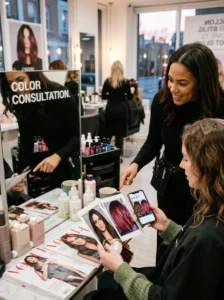
After several months of living with this shade, here’s my honest assessment of who should seriously consider it and who might want to think a bit harder before committing.
If you’re someone who genuinely enjoys a more involved hair maintenance routine, doesn’t mind more frequent salon visits, and wants a hair color that functions as a real style statement, cherry bomb red is likely to be a rewarding choice. The compliments I’ve received have been more frequent and more enthusiastic than with any previous color I’ve had.
If you’re looking for a low-maintenance color change, or if your budget and schedule don’t easily accommodate appointments every four to six weeks, this particular shade may not be the most practical choice right now, even though the trend itself is undeniably striking.
Final Thoughts
Going from a lifelong brunette to cherry bomb red was a bigger commitment than I initially anticipated, both in terms of the color process itself and the ongoing maintenance it requires. But months in, I can say it’s been a genuinely rewarding change, one that’s made me feel more confident and noticed in a way that’s hard to fully articulate until you experience it yourself.
If you’ve been considering this trend, I’d encourage having an honest conversation with a colorist about your specific starting hair color, your maintenance capacity, and your realistic budget before committing, since this particular shade asks more of you than many other color trends. But if you’re ready for that commitment, I don’t think you’ll regret it.