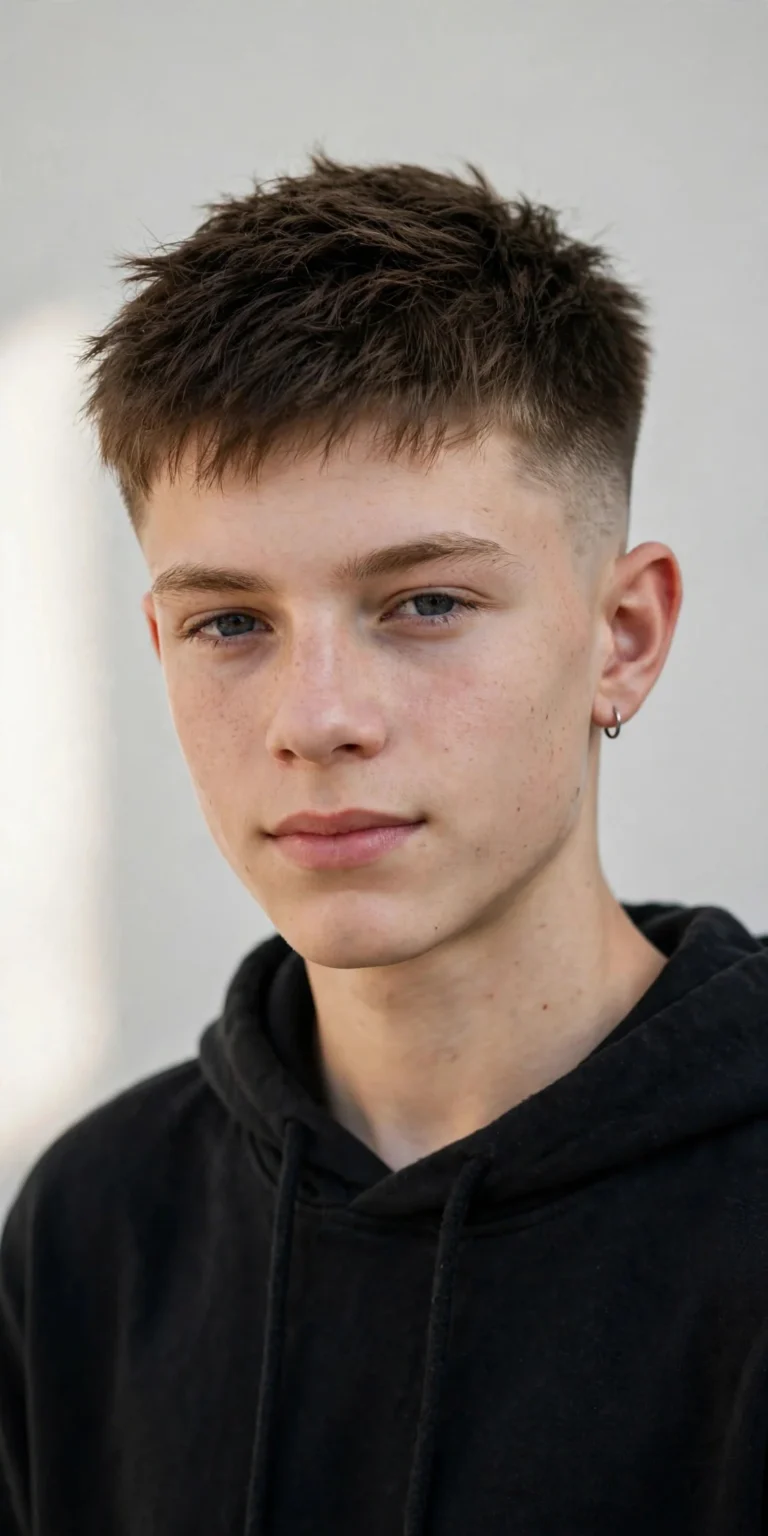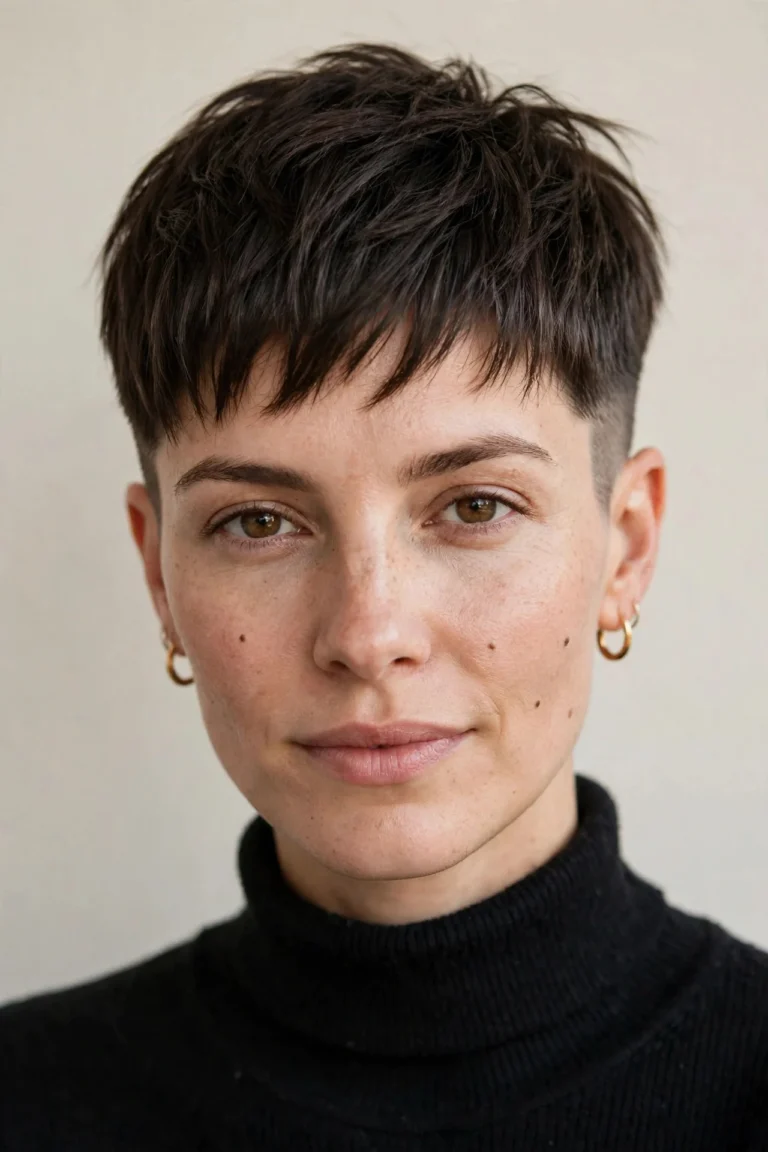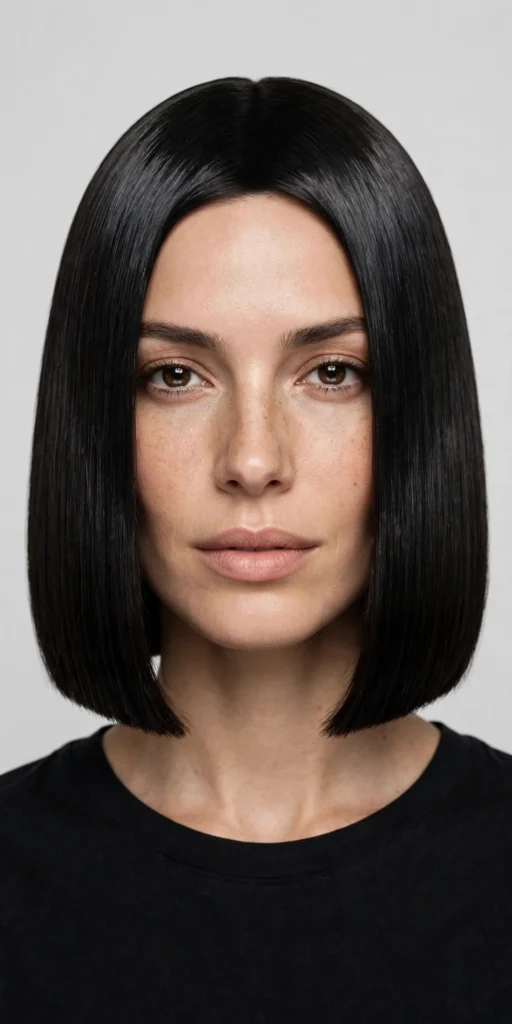
A sculpted bob is the haircut equivalent of a well-tailored blazer. Every line is deliberate, every edge crisp, and the shape does the talking. It suits women who want polish without fuss, because a good sculpted bob falls into place with minimal daily effort.
The trick is precision: a true sculpted bob is cut with ruler-like discipline, usually with shears only and almost no layering at the ends. Below are 15 ways to wear it in 2026, each with exactly what to ask for at the salon, who it flatters, and what the upkeep really looks like.
1The Classic Sharp A-Line Bob
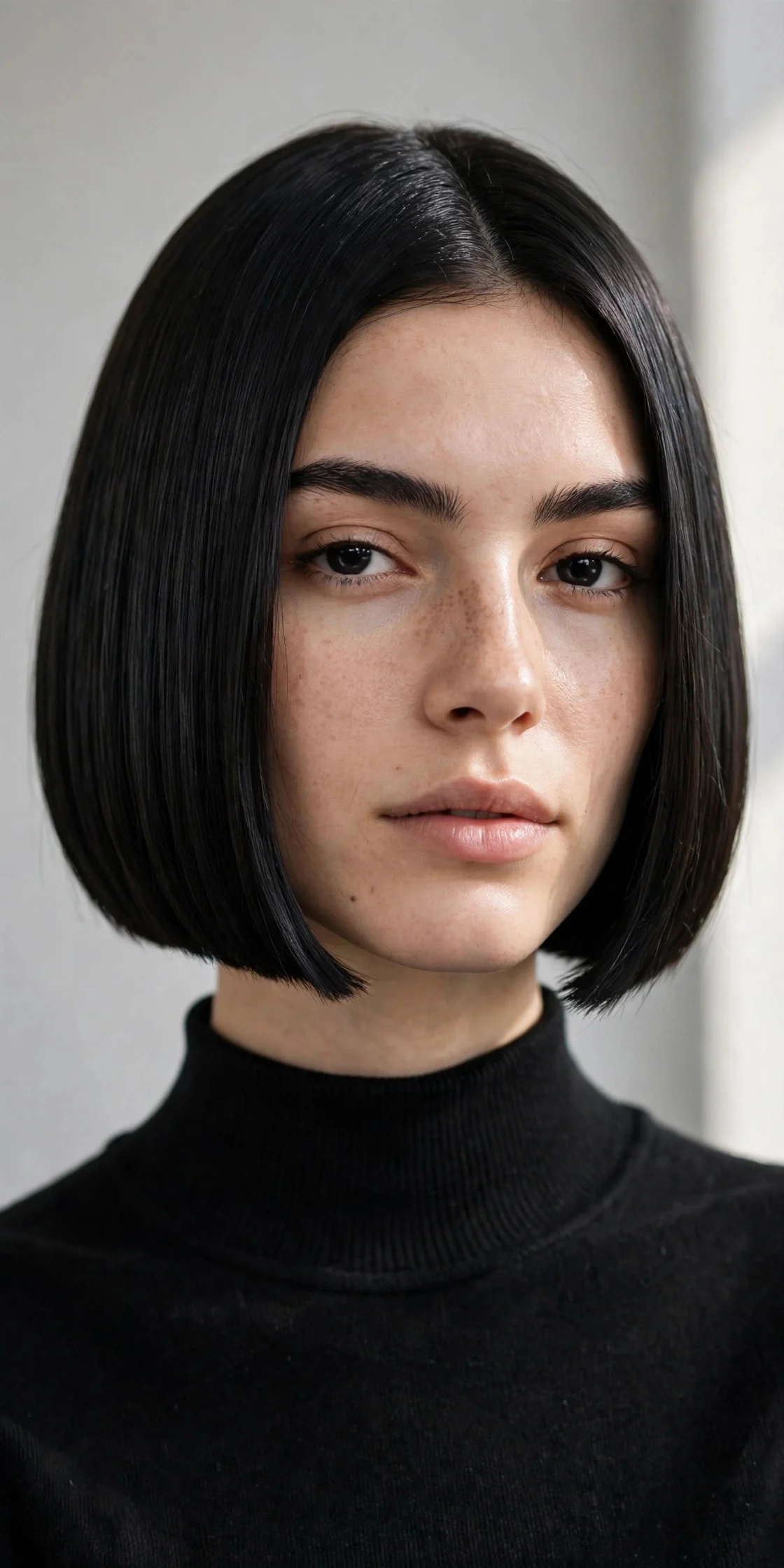
Ask your stylist for a chin-length bob with a clear forward angle, longest at the front and stacking slightly at the nape. This is the foundational sculpted bob, cut blunt at the ends with no internal layering.
It suits oval, round, and heart-shaped faces because the longer front pieces frame the jaw and draw the eye downward, which slims the look of the cheeks. Fine to medium hair shows off the crisp lines best. Maintenance is easy: a weekly shine serum and a flat iron pass on the ends keep it razor sharp. The drawback is the trim schedule: a cleanup every 6 weeks to keep the angle obvious, which adds up over a year.
2The Glass Bob
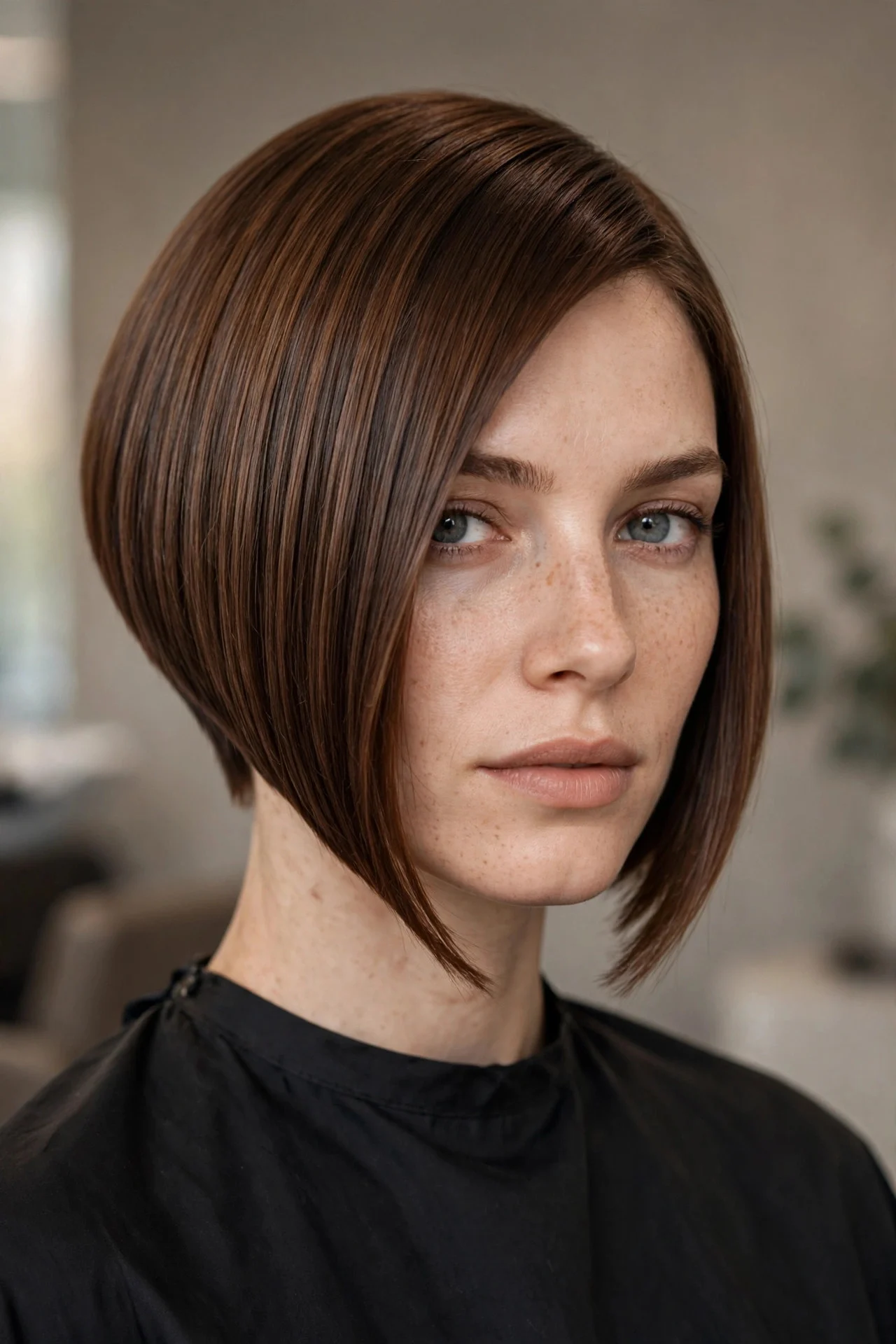
This is the sleekest take on the sculpted bob. Ask for a one-length cut that sits just below the chin with zero layering, then have your stylist smooth it with a flat iron and a heat protectant for that mirror finish. The name says it all.
Best on straight, medium-density hair; thick hair may need weight removed underneath to stop it flaring outward. The glass bob photographs beautifully and looks expensive with almost no accessories. Upkeep is mostly at home: invest in a good flat iron and an anti-frizz serum. The catch is frizz: one humid day undoes the glass effect, so this cut struggles in damp climates without daily heat styling.
3The Architectural Undercut Bob
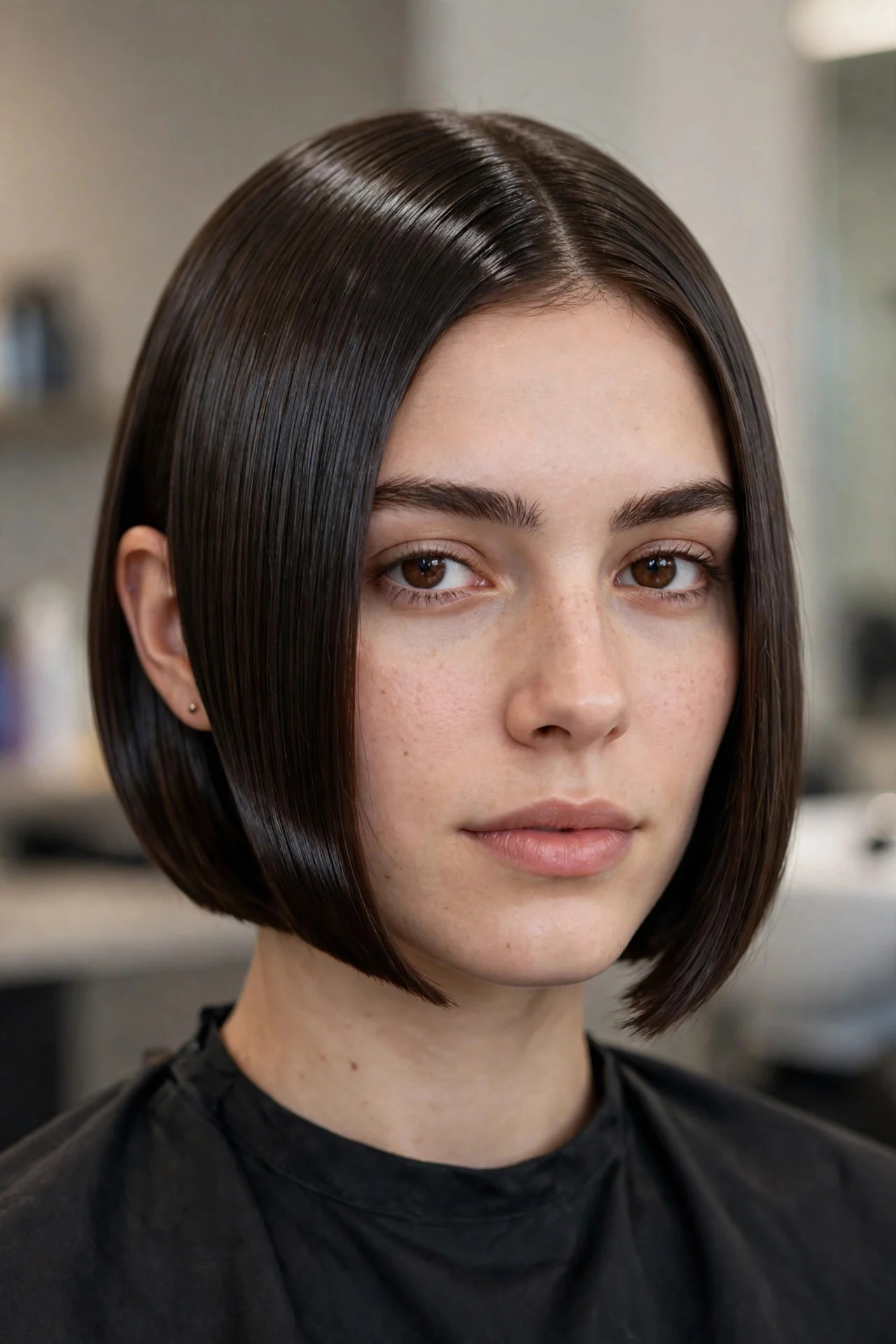
Ask for a sculpted bob with a hidden undercut at the nape, meaning the hair underneath is clipped short so the top layer drapes over it. The silhouette stays sharp, but the bulk disappears.
It works wonderfully for thick hair that normally pushes a bob into a triangle, and suits women who like a little hidden edge. Daily styling is quick since the undercut does most of the work. The drawback is the grow-out: undercuts grow in unevenly, so the nape needs re-clipping every 4 to 6 weeks or the shape collapses.
4The Rounded Sculpted Bob
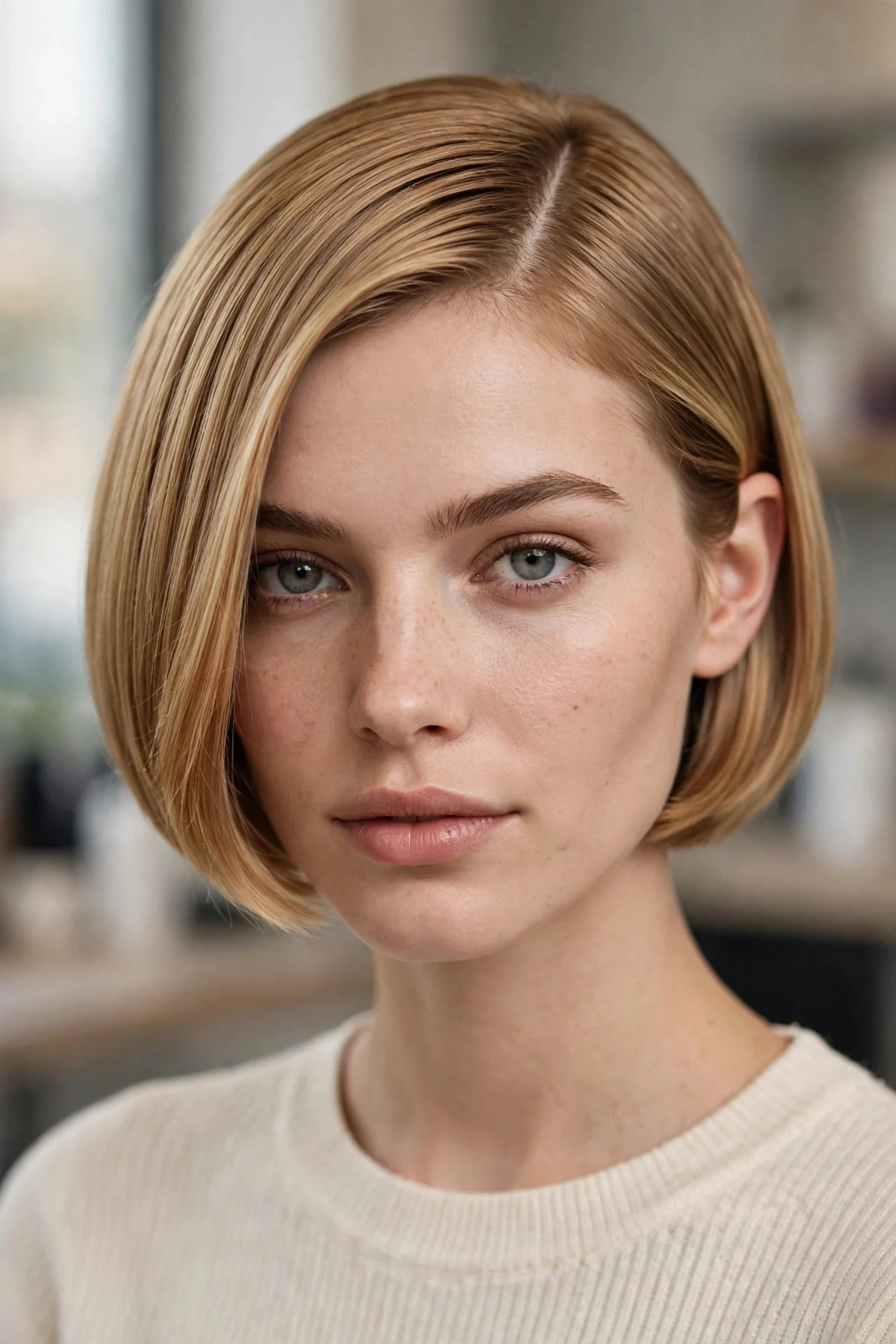
Ask for a chin-grazing bob where the ends curve gently under, with the perimeter cut to follow the curve of the jaw. Unlike the sharp A-line, the lines here are soft but still exact.
This flatters square jawlines, because the rounded perimeter softens strong angles without losing structure. Medium to thick hair holds the curve naturally. Maintenance means 10 minutes with a round brush and dryer most mornings, more effort than a blunt cut. The honest drawback: skip the blowout and the ends flip outward, making the whole look read messy instead of sculpted.
5The Micro Bob
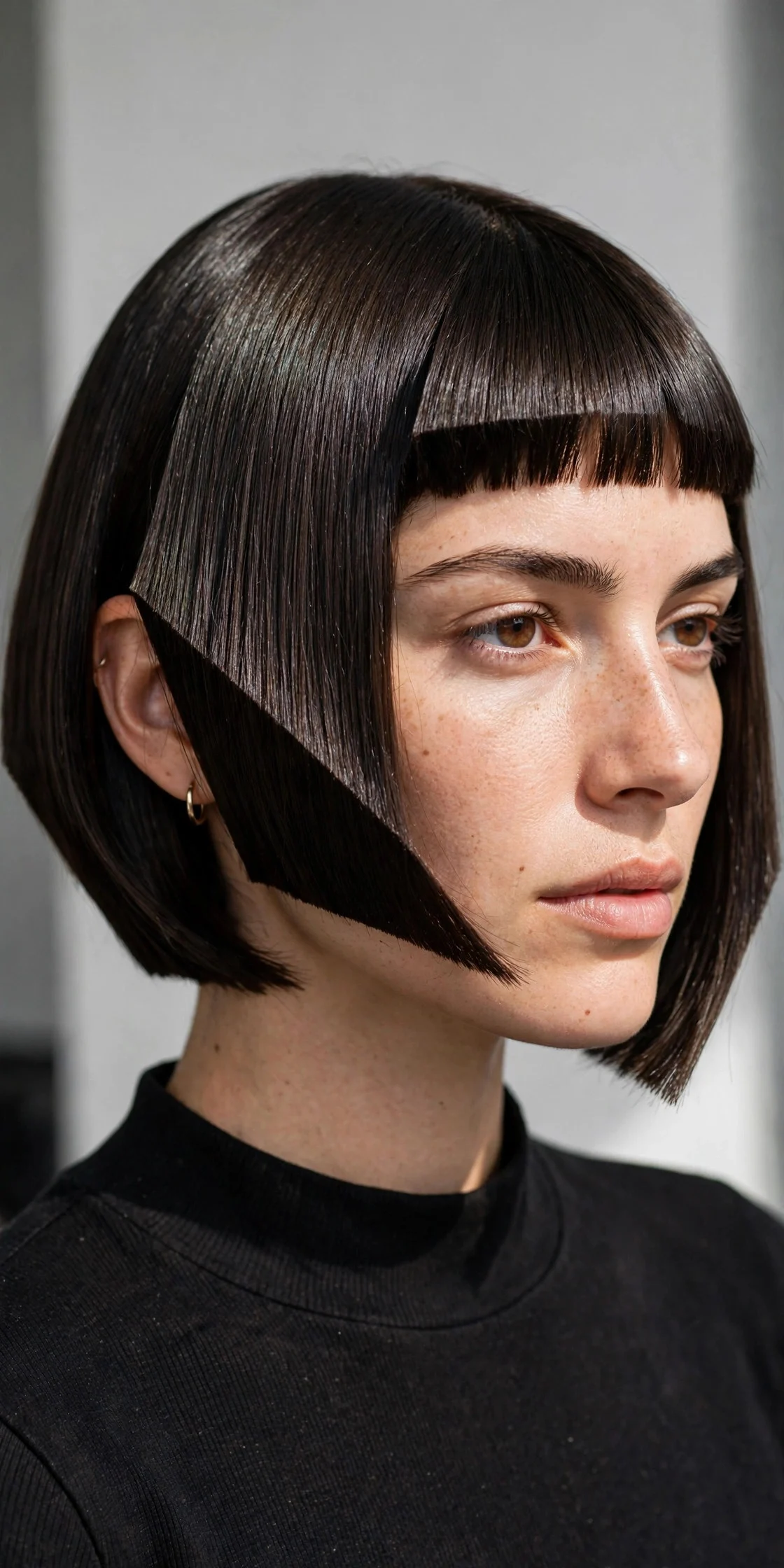
Ask for a sculpted bob cut at ear level or just above, with a blunt perimeter and minimal layering. This is the boldest, shortest version of the style.
It suits petite faces and strong jawlines, and makes cheekbones look incredible. Fine hair gains body at this length. Daily styling time is low since there is so little hair to manage. The tradeoff is trim frequency: half an inch of growth changes the shape, so plan on the salon every 4 to 5 weeks. It is unforgiving if the cut is slightly off, so find a stylist confident with short precision cuts.
6The Blunt Lob
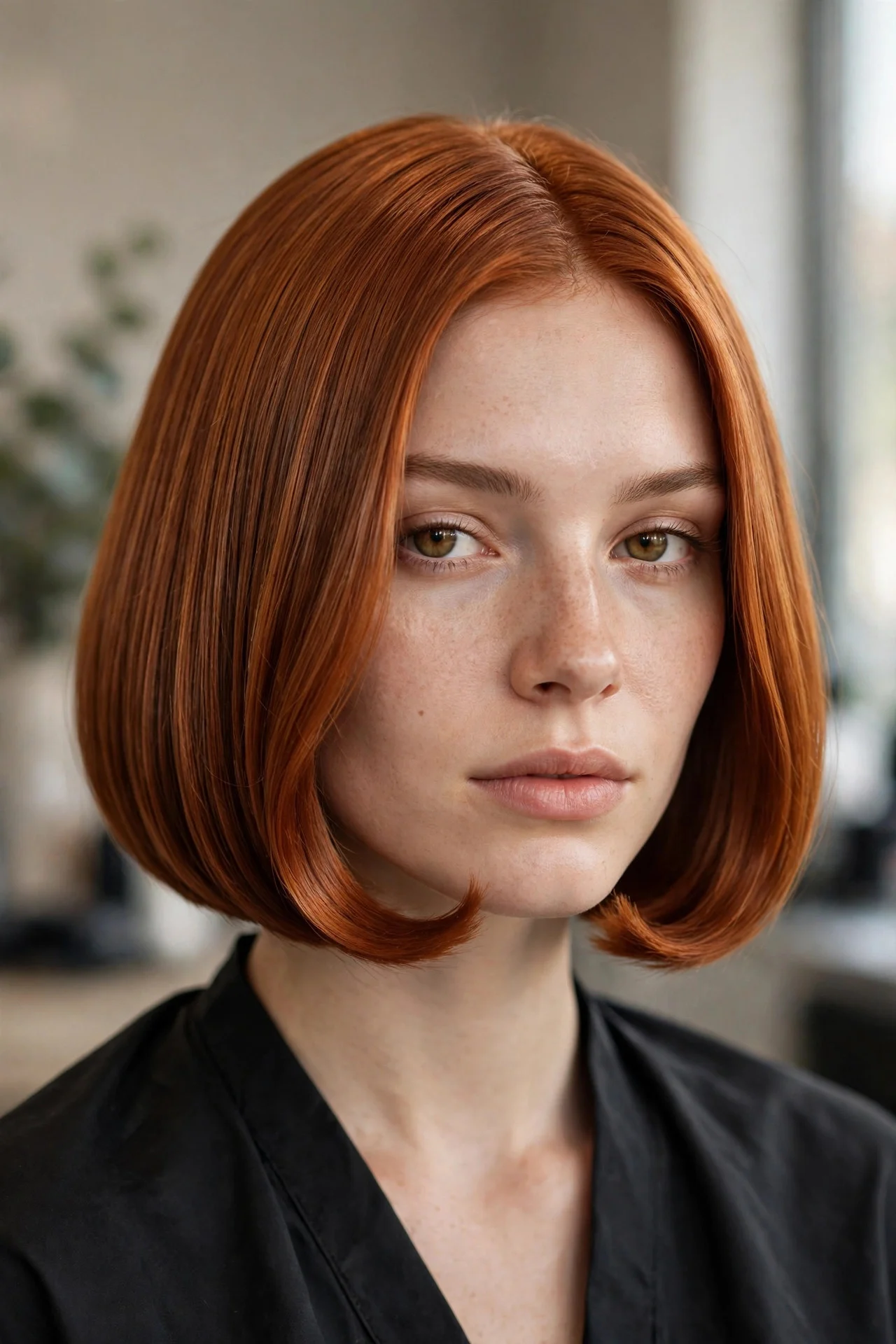
Ask for a one-length cut that lands right at or just past the collarbone, with the ends cut perfectly straight across. Longer does not mean less sculpted; the clean perimeter is what matters.
This suits almost every face shape and is a safer entry point if you are nervous about short hair. It works on wavy hair if you are willing to smooth it. The blunt lob is versatile: it goes up in a sleek ponytail or wears down with sharp lines. The drawback is weight: thick hair can pull the ends flat and dull, so you may need internal texturizing that slightly softens the sculpted effect. Trims every 8 weeks keep it tidy.
7The Asymmetrical Sculpted Bob
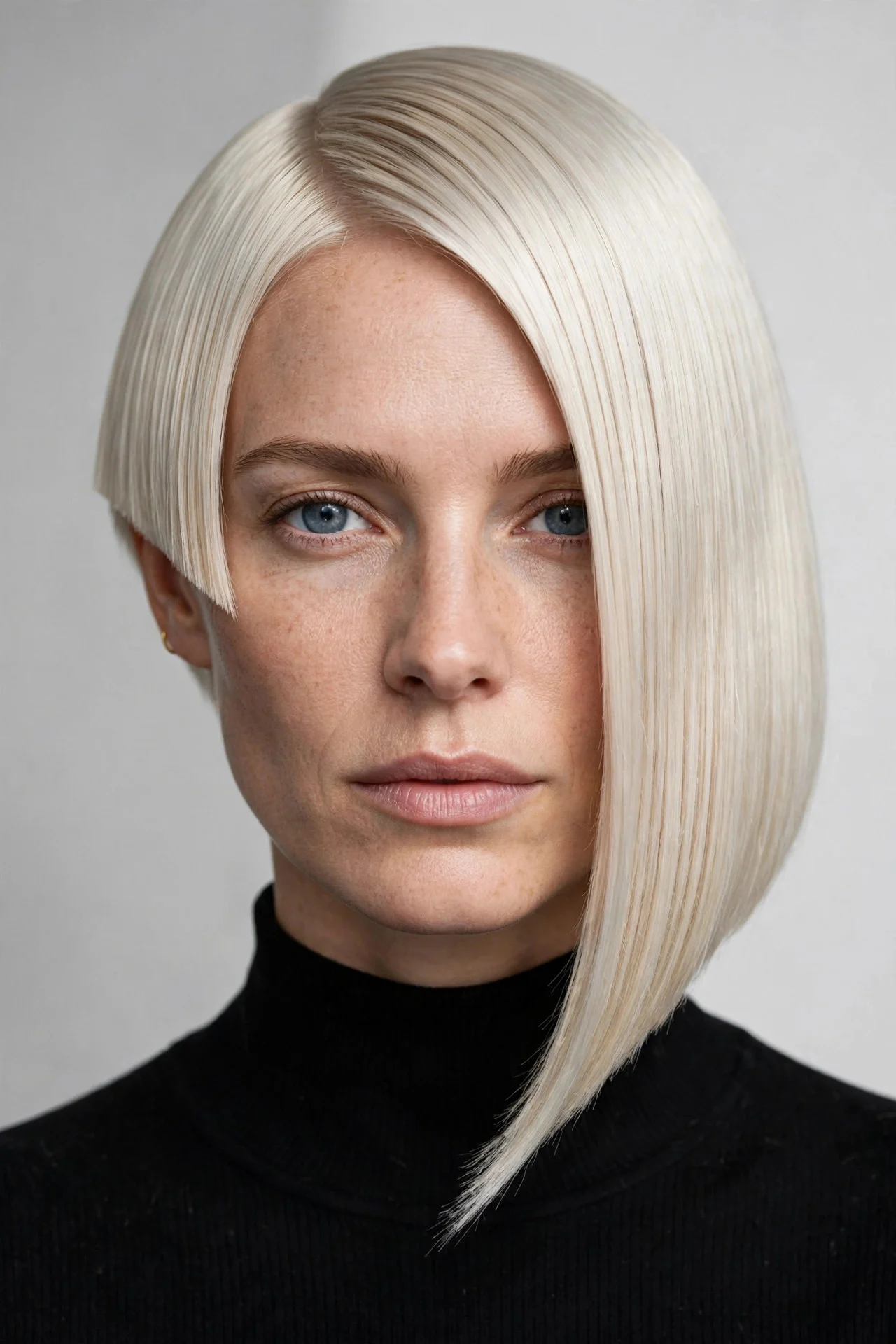
Ask for a bob where one side sits about an inch longer than the other, cut blunt on both sides so the asymmetry reads as intentional design. The difference should be visible but not dramatic.
It flatters round faces because the uneven line breaks up symmetry in a slimming way. Styling is simple: part on the deeper side and smooth. Ask for the part on your preferred side to anchor the longer line. The maintenance catch is real: asymmetry grows out unevenly and starts looking like a mistake after 5 weeks, making this one of the higher-commitment bobs. Budget for frequent trims.
8The Sculpted Bob With Micro Fringe
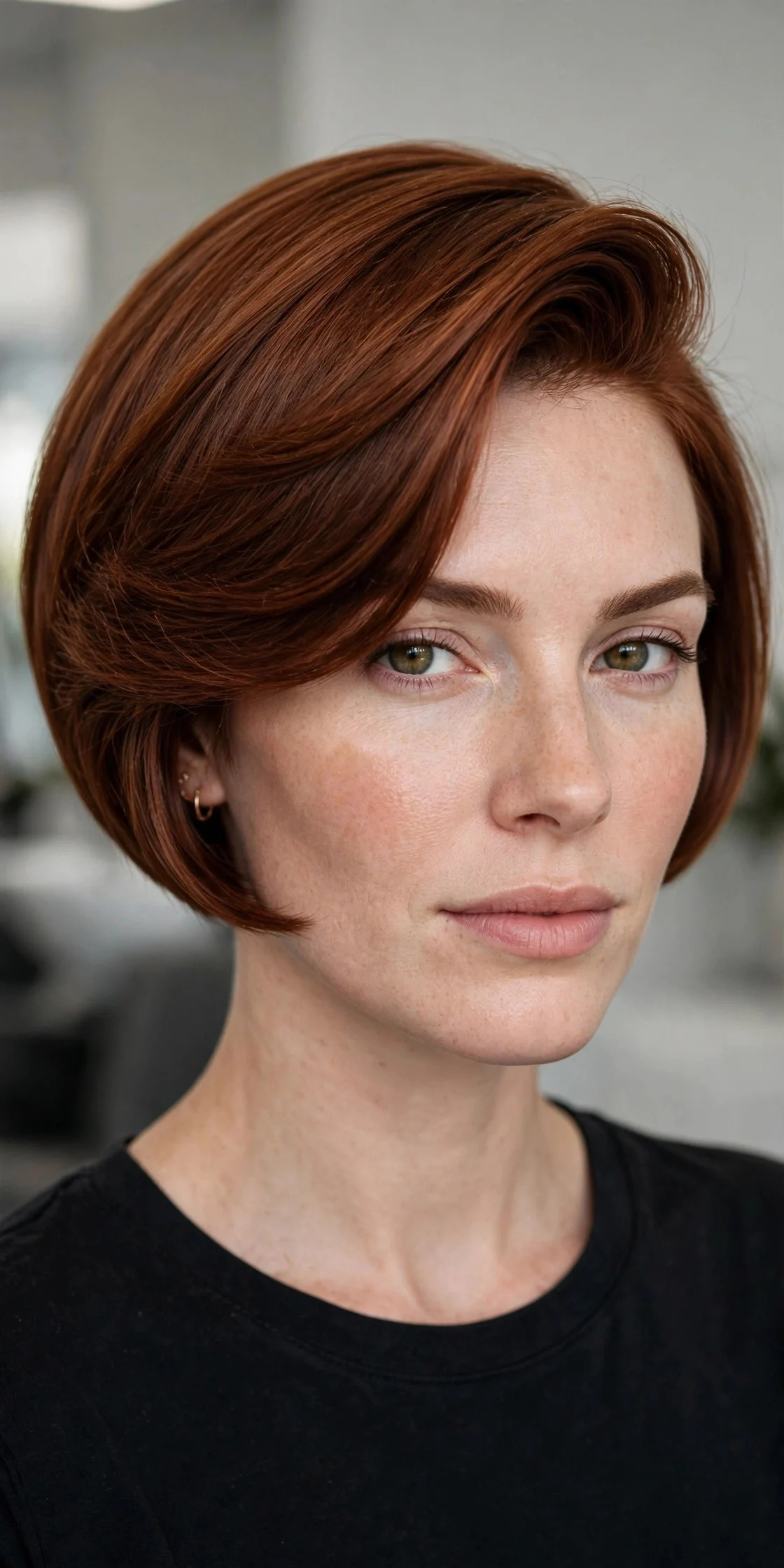
Ask for a chin-length sculpted bob paired with a short, straight-across fringe that sits just above the brows, cut blunt to match the bob’s perimeter. The fringe should be dense enough to read as one clean band.
This combination suits oval and longer faces, since the fringe shortens the forehead visually, and gives the cut a fashion-forward feel. Daily styling means keeping the fringe smooth with a quick flat iron pass. The honest drawback is regrowth: fringe needs trimming every 3 to 4 weeks, and between appointments it creeps into your eyes.
9The Deep Side-Part Sculpted Bob
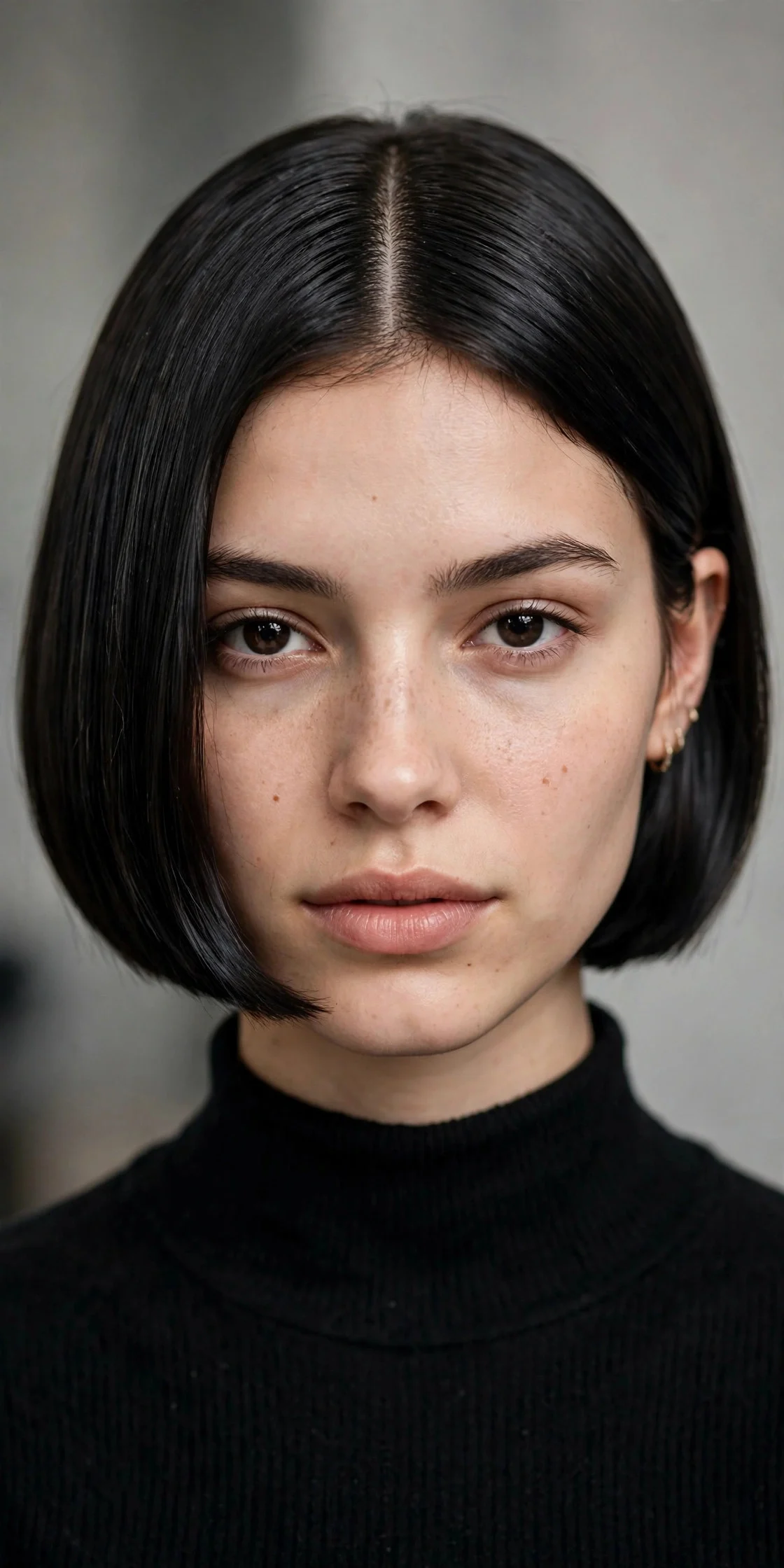
Ask for a one-length bob with the part set dramatically to one side, about two inches from the temple, and the perimeter cut slightly angled to follow. The deep part creates built-in volume on top.
This is a great choice for fine hair that falls flat, since the part placement creates lift without layers. It suits most face shapes and adds a polished feel. Maintenance is minimal: set the part when hair is damp and let it dry, or touch up with a round brush. The drawback is that deep parts have a memory: if you want to flip back to the middle later, the hair resists for weeks. It is a commitment to the side.
10The Textured-End Sculpted Bob
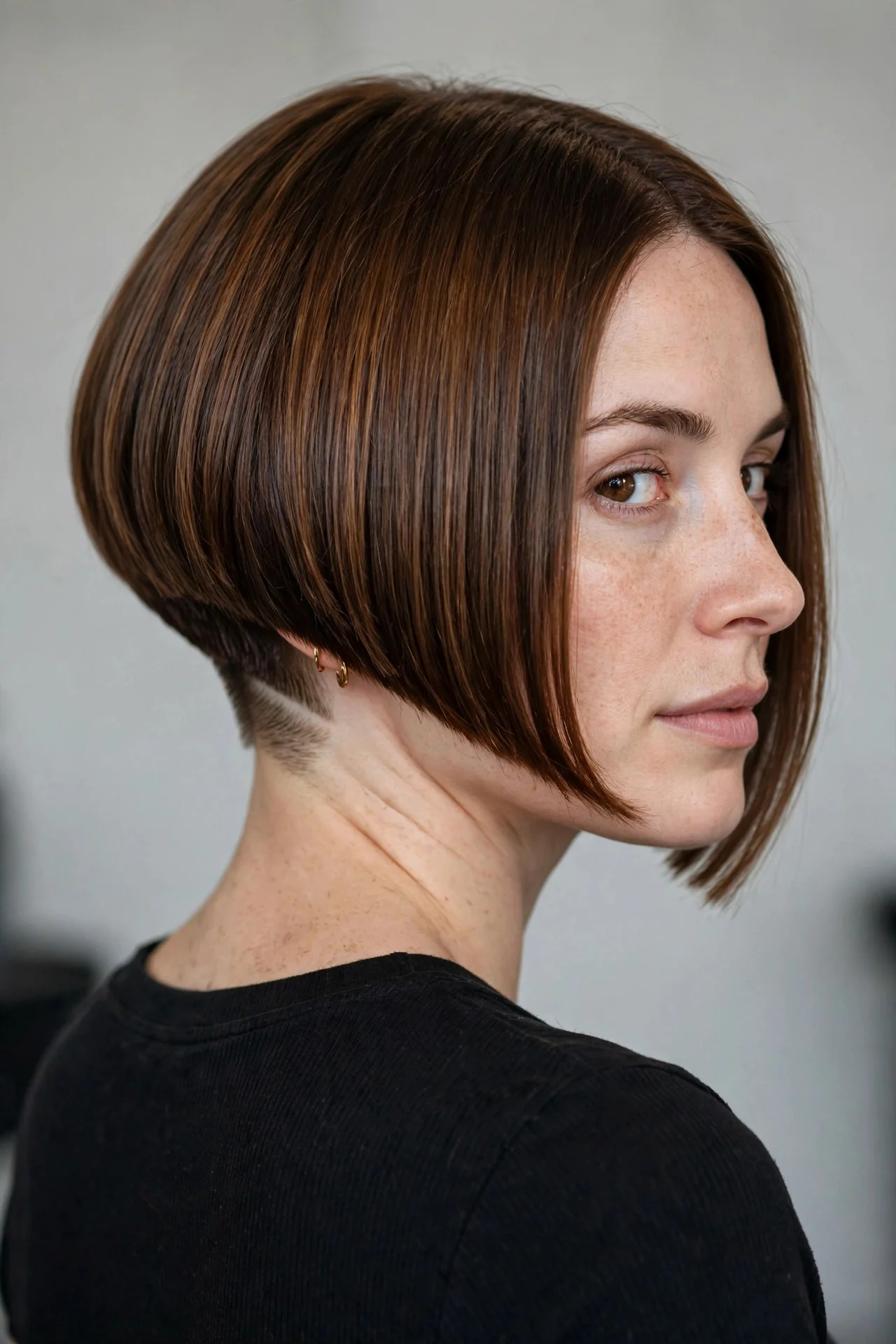
Ask for a blunt bob where only the very last half inch is point-cut for softness, keeping the perimeter line crisp but removing any harsh stiffness. This is sculpted with a whisper of texture.
This suits women who find traditional blunt bobs too severe. It works on medium to thick hair and slightly wavy textures that fight a fully blunt cut. The point-cut ends move more naturally while the shape stays defined, and styling takes about five minutes with a smoothing cream. The drawback is subtle: point-cut ends fray faster than a blunt edge, so the line softens by week six and needs refreshing more often.
11The Chin-Length Sculpted Shag Hybrid
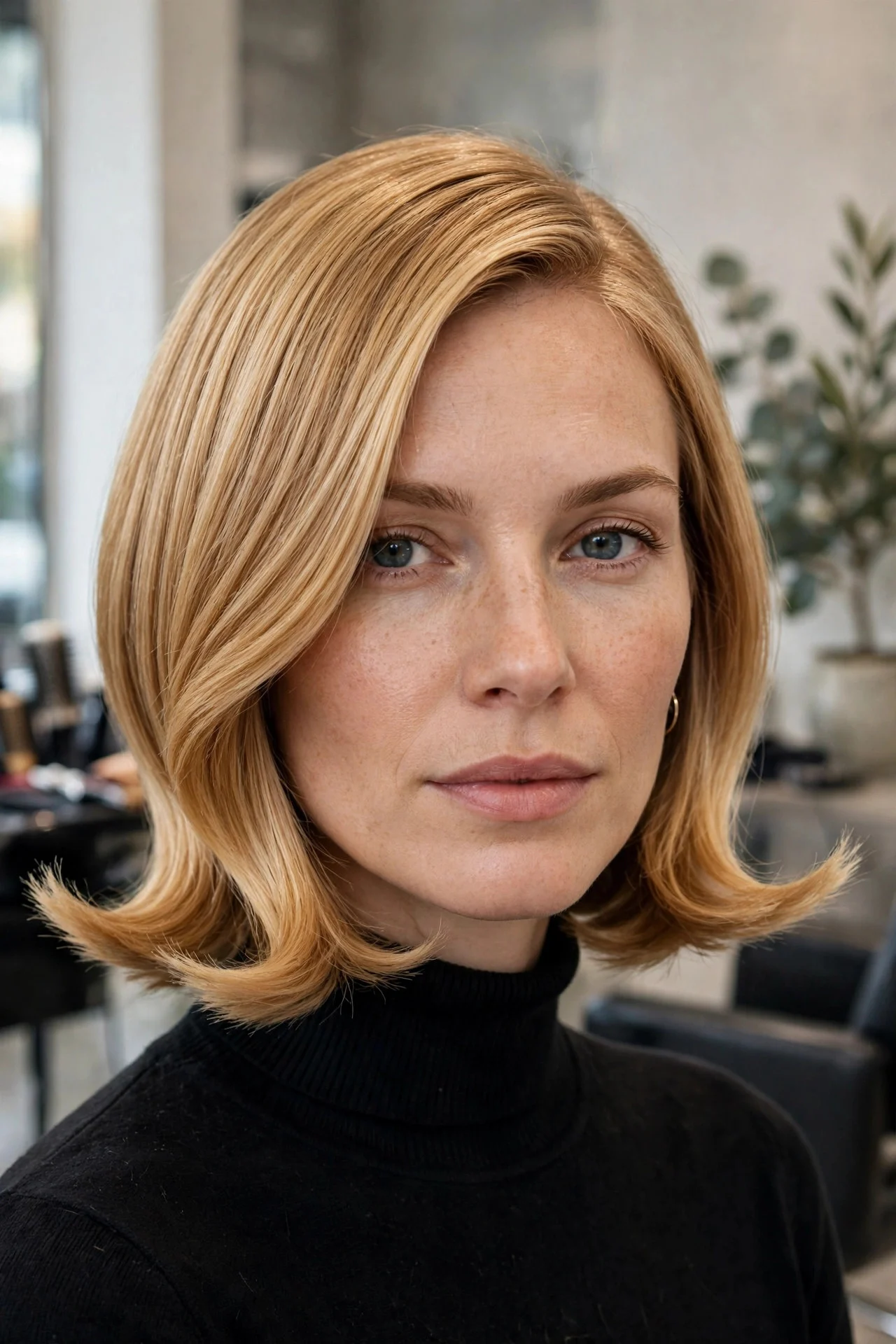
Ask for a sculpted bob base with light internal layering through the crown only, keeping the perimeter line clean and blunt. Think structure first, movement second.
This hybrid suits thick hair that needs internal weight removed but still wants a sharp outline. It also works for women growing out bangs, since the crown layers blend everything. Daily styling is forgiving: air dry with a little cream and the layers do the work. The drawback is stylist dependence: if the layering goes too far, you lose the sculpted effect and end up with a regular shag. Be specific that the perimeter must stay blunt.
12The Curved-In Jawline Bob
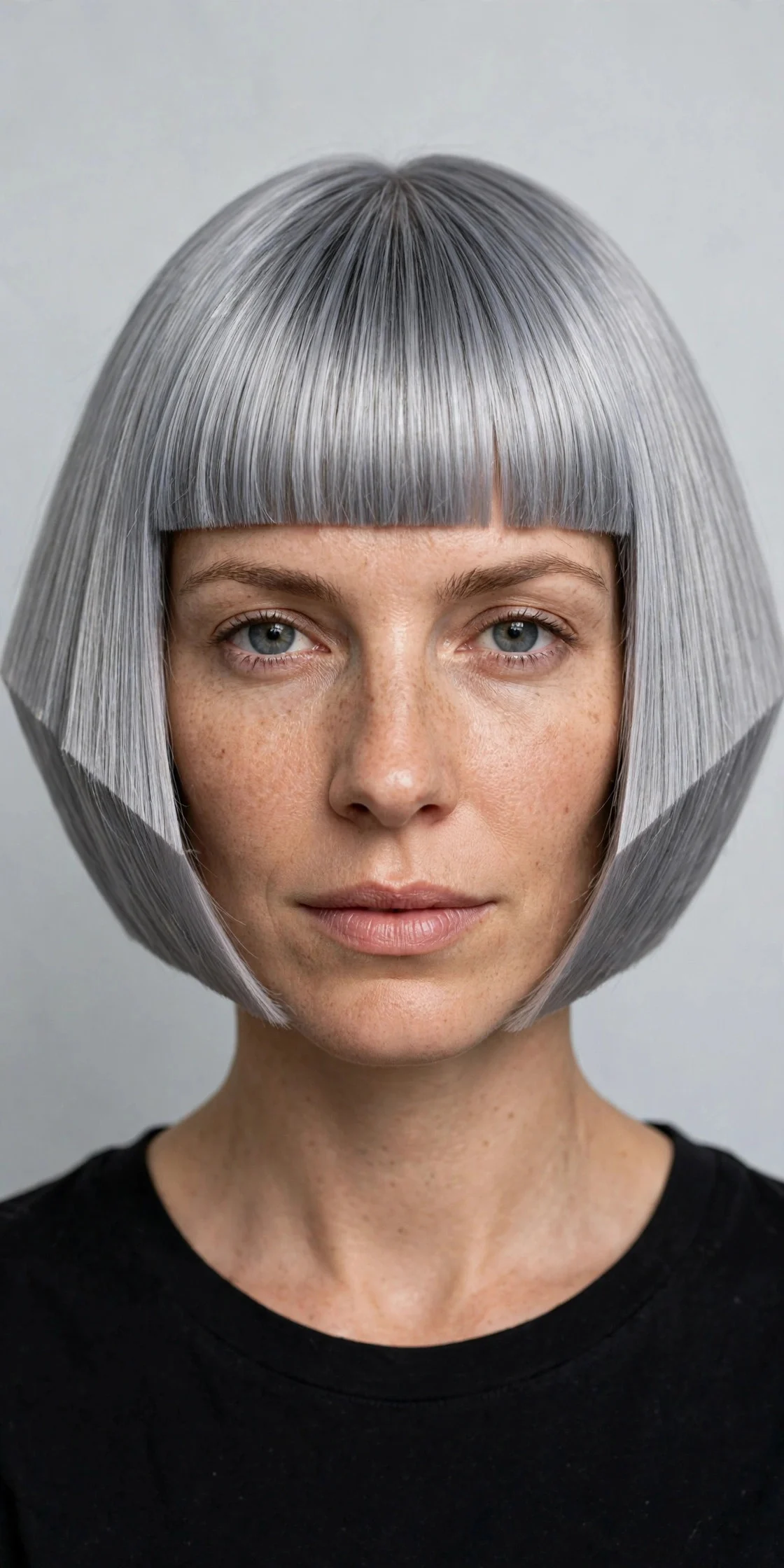
Ask for a bob cut so the front pieces curve inward and hug the jawline, ending right at the chin. The back stays blunt and the sides graduate subtly toward the face.
This is one of the most flattering sculpted bobs for round and square faces, since the inward curve narrows the jaw visually. It suits straight to slightly wavy hair. The styling secret is blow-drying the front pieces under with a small round brush, about five minutes. The drawback is precision: the curve must be exact to look intentional, so this cut needs a skilled stylist and a trim every 6 weeks.
13The Sculpted Bob With Tapered Nape
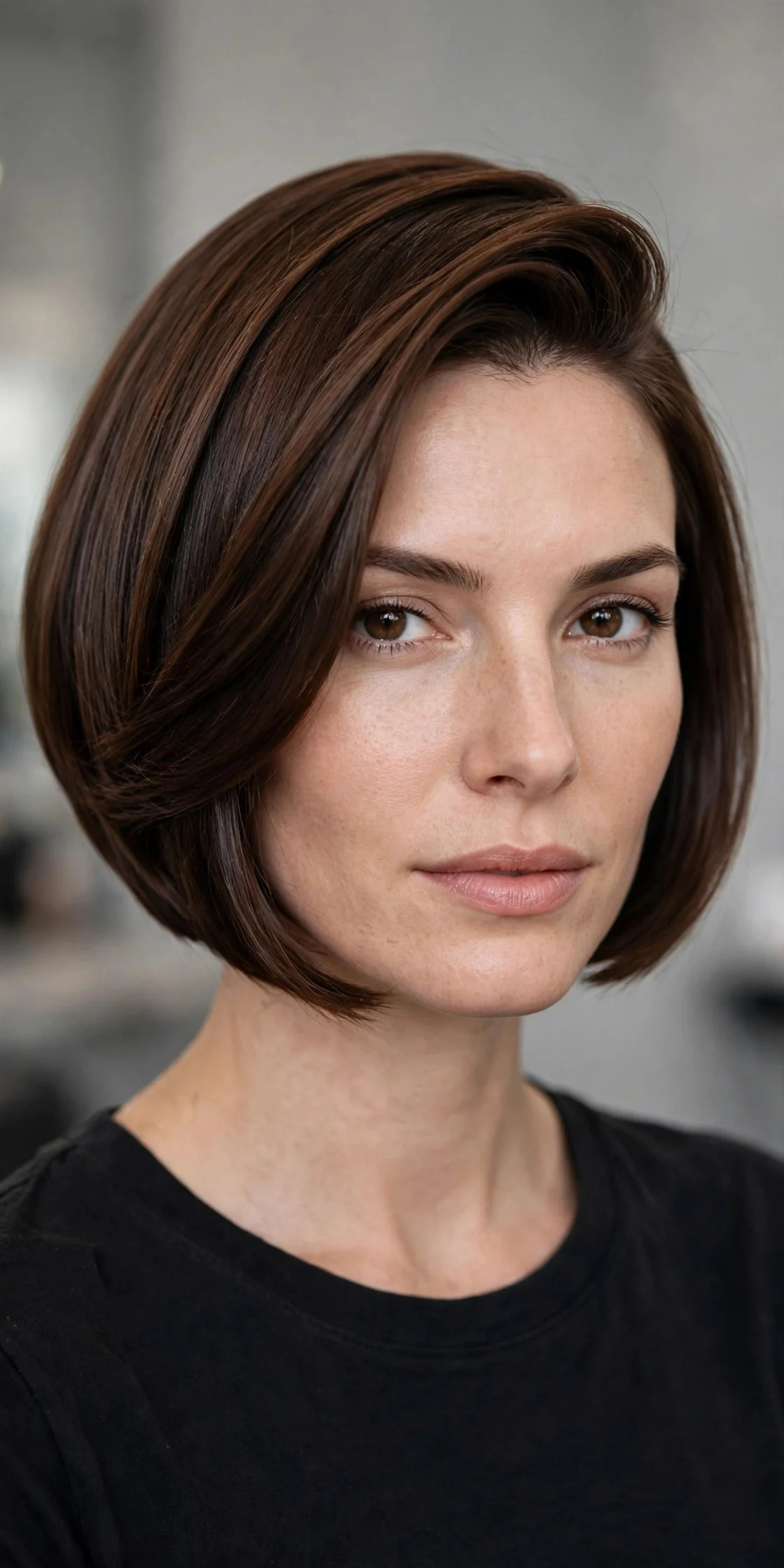
Ask for a bob with a stacked, tapered nape that hugs the back of the neck, transitioning into a clean blunt line at the sides and front. The back is shorter than a standard bob.
This suits women who want to show off their neck line, and works beautifully on fine hair because the stacking creates the illusion of thickness. It looks sharp from every angle, which is rare. Maintenance is the tradeoff: the tapered nape grows out fast and looks scruffy after 5 weeks, so this is a frequent-trim cut that only a stylist can do properly.
14The Sleek Ear-Tuck Sculpted Bob
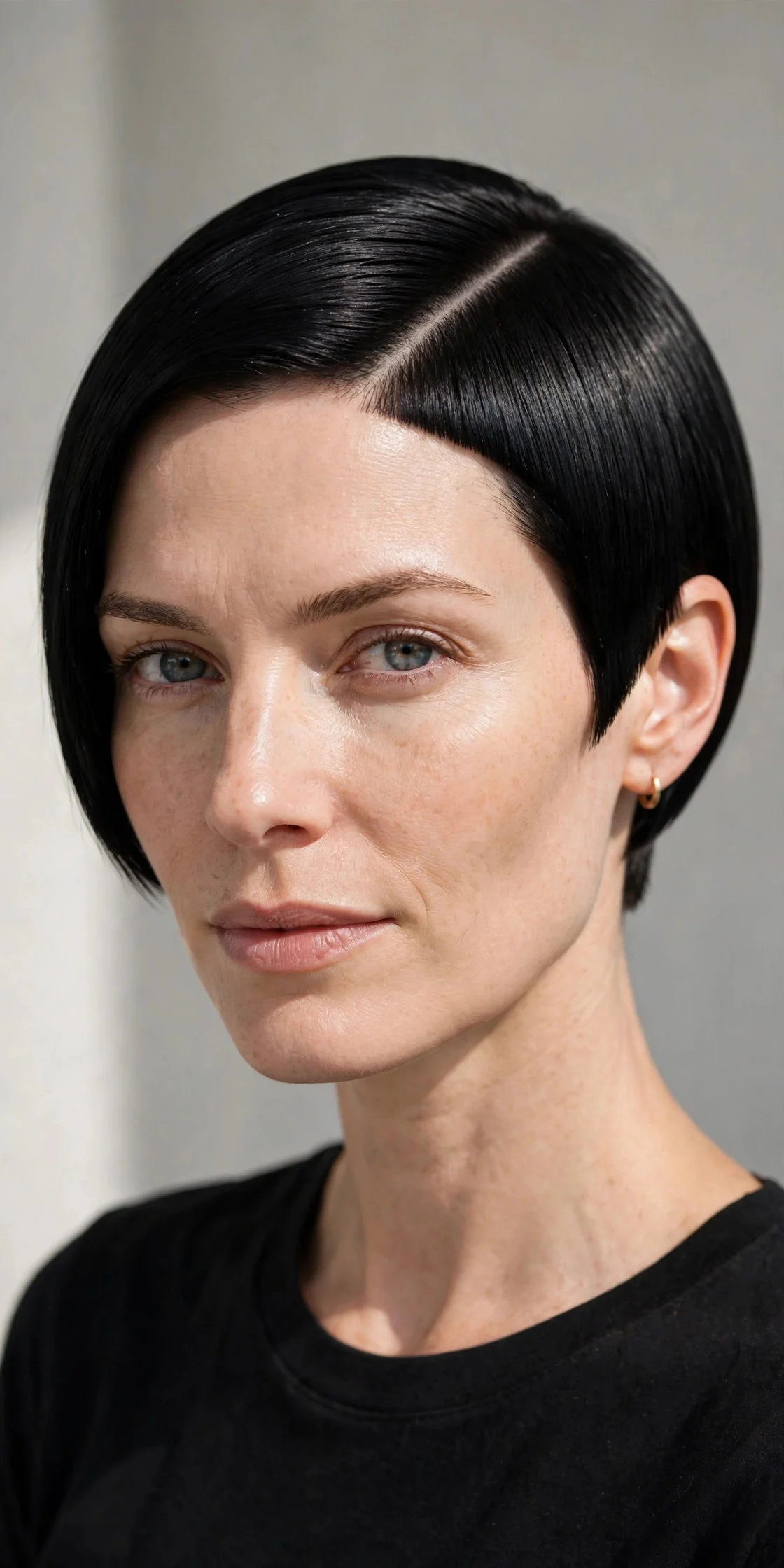
Ask for a chin-length blunt bob cut with enough length to tuck one or both sides behind the ears, and have the ends cut so they sit neatly without flaring when tucked. Mention you plan to wear it tucked.
This suits oval and heart-shaped faces and is perfect for professional settings. It shows off earrings and keeps the look clean all day with zero touch-ups. The styling effort is essentially nothing. The drawback: tucked bobs reveal grow-out fastest at the temples, and wavy hair may not stay tucked without a light hold product. Keep bobby pins handy.
15The Polished Pageboy Bob
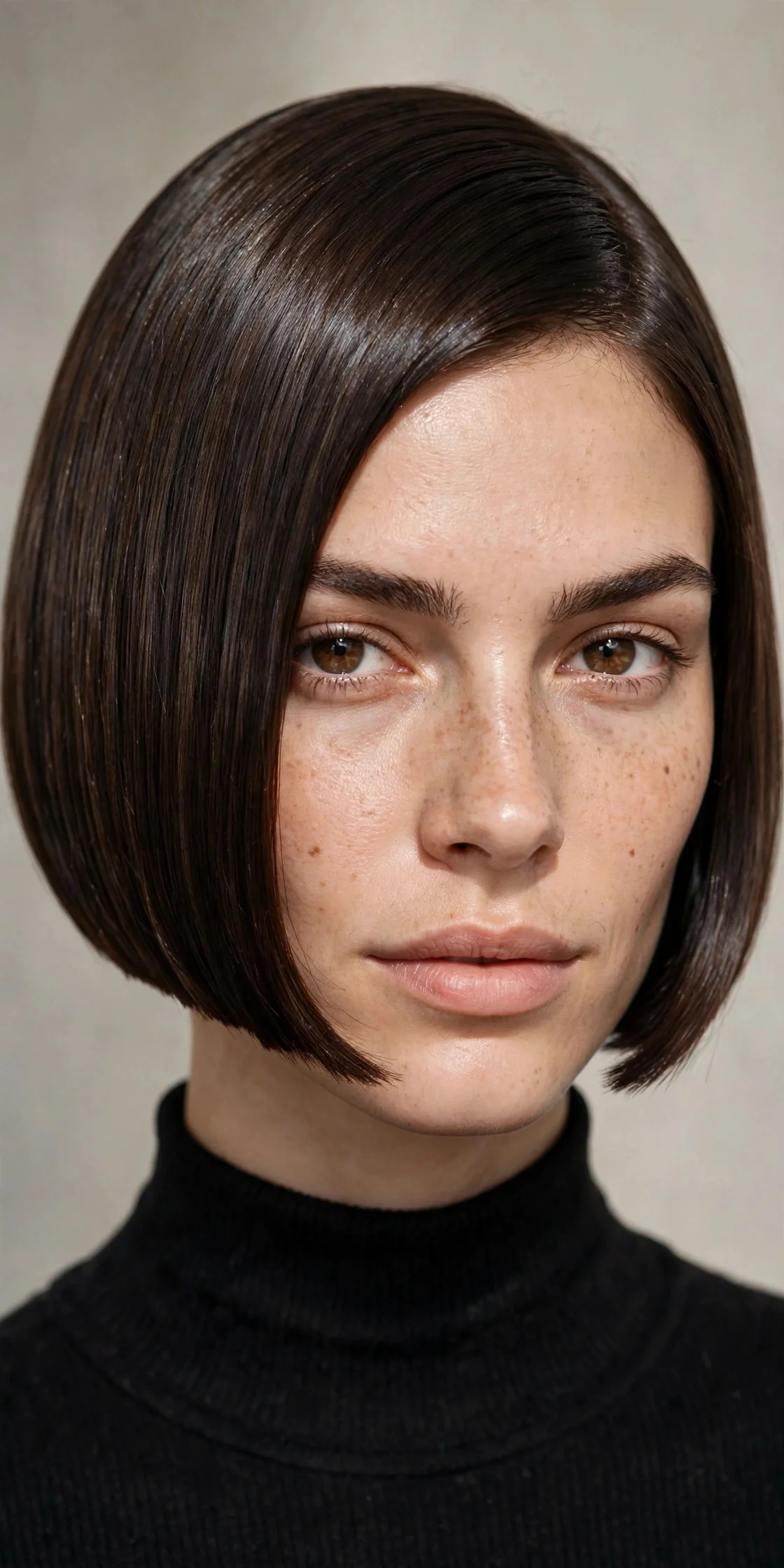
Ask for a sculpted bob with a rounded shape, slightly shorter at the nape, with the ends turning under all around in a nod to the classic pageboy. The modern version keeps the lines sharper and the finish sleeker.
This suits women who love vintage polish with a current feel, and flatters narrow faces by adding width at the cheeks. The daily blowout is the main cost in time: a round brush and dryer for 10 to 15 minutes to get the under-turn smooth. The drawback is weather sensitivity: wind and humidity undo the turned-under shape fast, so this is a fair-weather cut unless you commit to serious hold products.
Care and Styling Guide for Sculpted Bobs
A sculpted bob lives or dies on the condition of your ends. Get a trim every 6 to 8 weeks, because split ends blur the crisp perimeter that makes this cut work. A clear gloss every few months adds shine without changing your color and makes the lines look sharper.
For daily styling, most sculpted bobs need just two products: a heat protectant and a lightweight smoothing serum. Apply serum to damp ends before blow-drying. If you flat iron daily, use the lowest heat that works and do one slow pass instead of several fast ones.
At night, a loose low ponytail or a silk scarf keeps the shape from getting crushed. Skip heavy oils near the roots; they weigh down the precise shape and flatten the top.
How often should a sculpted bob be trimmed?
Every 6 to 8 weeks for most lengths, every 4 to 6 weeks for micro bobs, undercuts, or tapered napes. Sculpted cuts show growth faster because the shape depends on exact lines. Wait 12 weeks and it reads as a grown-out bob, not a sculpted one.
Can a sculpted bob work on curly hair?
Yes, with adjustments. Ask your stylist to cut it dry and go a little longer since curls shrink. The line will look softer than on straight hair, which can be beautiful, but not razor-sharp.
What should I ask for at the salon to get clean lines?
Say “blunt perimeter, no layering at the ends” and show two or three photos of the exact version you want. Tell your stylist how much daily styling you are willing to do, because that changes which version they should cut for you.
How much does a sculpted bob cost to maintain?
The cut itself costs the same as any bob at your salon. The real cost is frequency: 6 to 10 trims a year adds up, especially with frequent-trim versions like the micro bob or undercut. Budget for a good flat iron and heat protectant as one-time purchases.
Does a sculpted bob suit thin hair?
Often, yes. Blunt perimeters make thin hair look thicker because the ends are full instead of wispy. The micro bob and tapered-nape version are especially good for fine hair. Avoid heavy internal thinning, which is the opposite of what thin hair needs.
Keep exploring: Curly Butterfly Cut Ideas, Mocha Balayage Hair Ideas, Cowboy Copper Hair Color Ideas