
There is a reason the graduated bob never leaves the salon request list. Cut right, it moves. The stacked layers push everything forward and outward, so the shape swings when you turn your head instead of sitting like a helmet. Shorter at the nape, longer toward the front, the weight stacked so it bounces.
Pick the version that fits your hair and your patience. Some want a round brush every morning. Others you can scrunch and walk out the door. Here are twelve ways to wear it, with exactly what to ask for in the chair.
1The Classic Stacked Graduated Bob
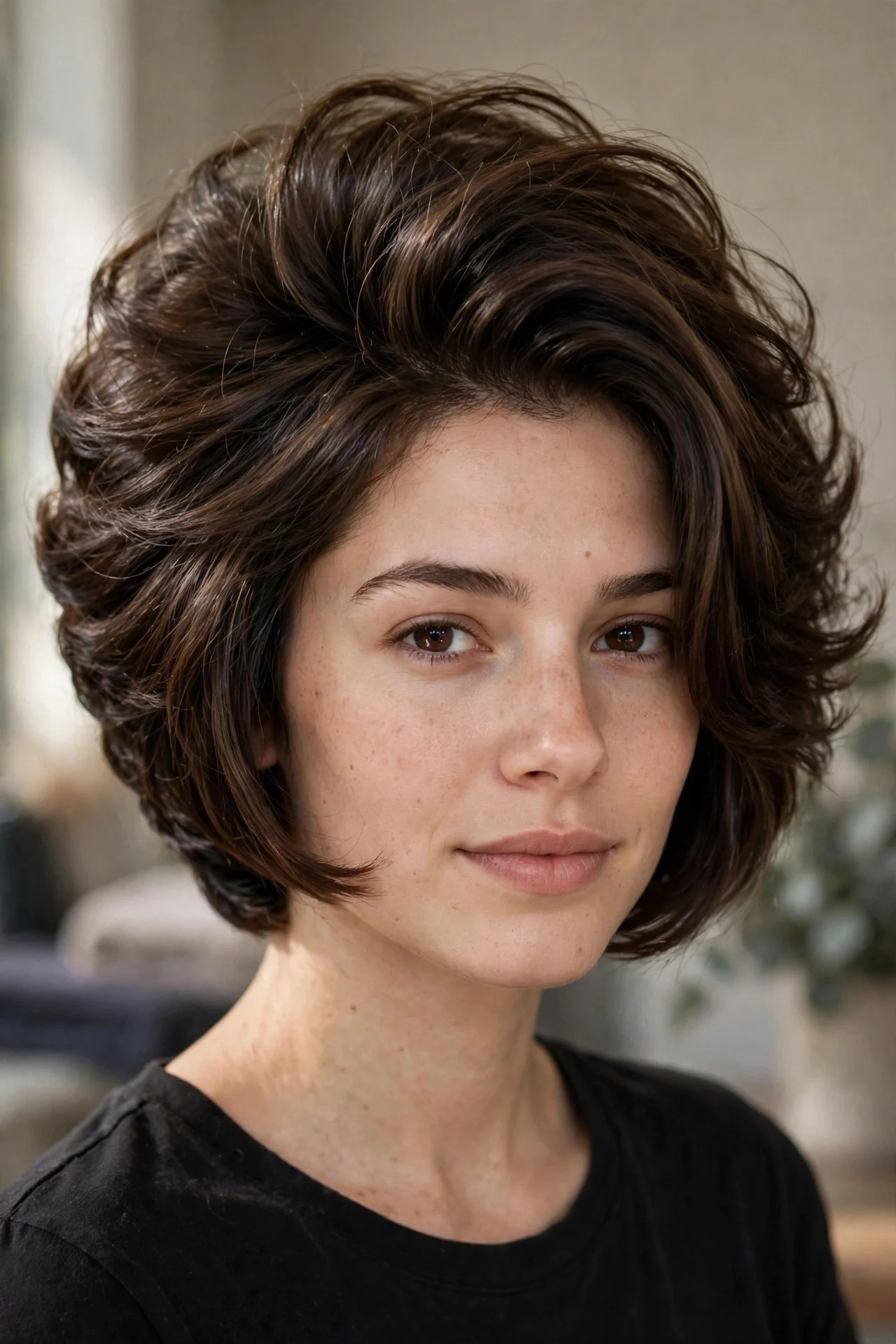
This is the one most people picture when they hear graduated bob. The back is built in tight, stacked layers that shorten toward the nape, while the front stays longer and swings around the jaw. The pieces fall over each other as you walk.
At the salon, ask for stacked layers through the back with a graduated nape and a front that lands at the jawline. It suits fine to medium hair and flatters round faces, since the longer front pieces slim the cheeks. Plan on a trim every six to eight weeks and a round-brush blow-dry to keep the stack sitting right. The downside: it grows out fast, and without heat styling the back can fall flat by day three.
2Soft Graduated Bob With Face-Framing Layers

This is the gentler cousin of the classic stack. The back still graduates upward, but the layers are longer and blended, and the front melts into soft pieces that frame the cheekbones. It moves more like a curtain than a swing, for anyone who found the traditional stack too severe.
Ask for a softly graduated back, front at jaw length, with blended face-framing layers starting at the cheek. It suits thick hair that needs weight removed without looking choppy, and square faces, since the soft front rounds the jawline. It air-dries decently on wavy hair, and trims can stretch to eight or ten weeks. It needs a proper cut to begin with, though. Badly blended layers just look grown out.
3Textured Piecey Graduated Bob
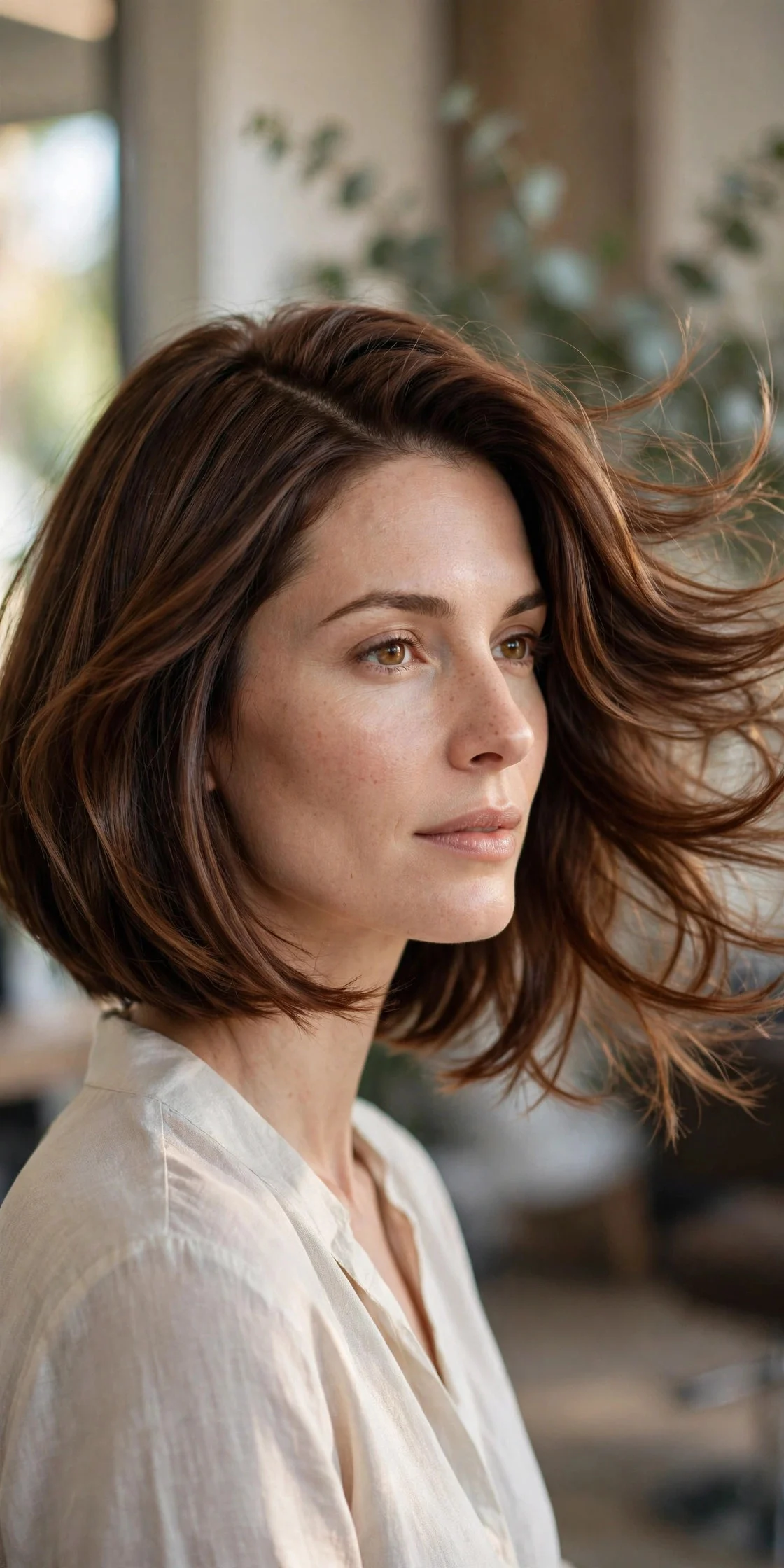
Point cutting is the whole personality of this one. The graduation is still there, but the ends are snipped into separated, piecey bits that flick and move instead of sitting in a solid line. It reads younger and less done than the polished stack.
Ask for a graduated bob with point-cut texture through the ends, keeping the shape soft rather than blunt. It suits straight to wavy hair of medium density best. Styling takes two minutes: a dab of texture cream scrunched into dry ends. Trims every eight weeks keep the pieces from turning stringy. The drawbacks: fine hair can end up looking thinner with this much texture, and on humid days the pieces frizz into fuzz without an anti-humidity spray.
4Deep Side-Part Graduated Bob

Sometimes movement is just a part change away. Sweeping everything to one side over a graduated stack gives you instant volume at the crown and a long diagonal fringe that moves across the forehead. It is the same cut as the classic, worn with drama.
Ask for the graduation cut with the part in mind, the heavy side a touch longer so the sweep has weight. It suits round faces beautifully, since the diagonal line breaks up fullness, and it gives fine hair a real lift at the roots. Train the part for a week or two with a blow-dryer, and trim the fringe before it starts poking your eyes. Upkeep is otherwise the same six-to-eight-week cycle.
5Graduated Bob With Curtain Bangs

Curtain bangs and a graduated bob were made for each other. The bangs split softly in the middle and blend into the longer front pieces, so the whole haircut flows in one continuous movement from forehead to jaw. It is romantic without being fussy.
Ask for curtain bangs starting around the cheekbones, melting into a jaw-length graduated bob. A strong choice for high foreheads and long faces, since the fringe shortens the face visually. Styling means a round brush on the bangs every morning, flipping them away from the face. Bang trims every three to four weeks keep them out of your eyes. The honest cost: bangs get oily fast, so dry shampoo becomes daily, and growing them out takes commitment.
6Sleek Graduated Bob With a Blunt Front

This one plays a contrast game: a sharp, one-length edge at the front against a stacked, graduated back. The front swings in a clean sheet while the back bounces underneath, which gives you two kinds of movement in one haircut. It looks expensive when it is freshly done.
Ask for a blunt chin-length front with the back graduated and stacked tightly. It suits straight, fine to medium hair and oval faces. Styling is a flat iron and smoothing serum every time, or the blunt edge shows every wave and kink. Trims every six weeks keep the line crisp. The drawbacks are real: humidity is the enemy, split ends show immediately, and there is no hiding a bad hair day under texture.
7Curly Graduated Bob
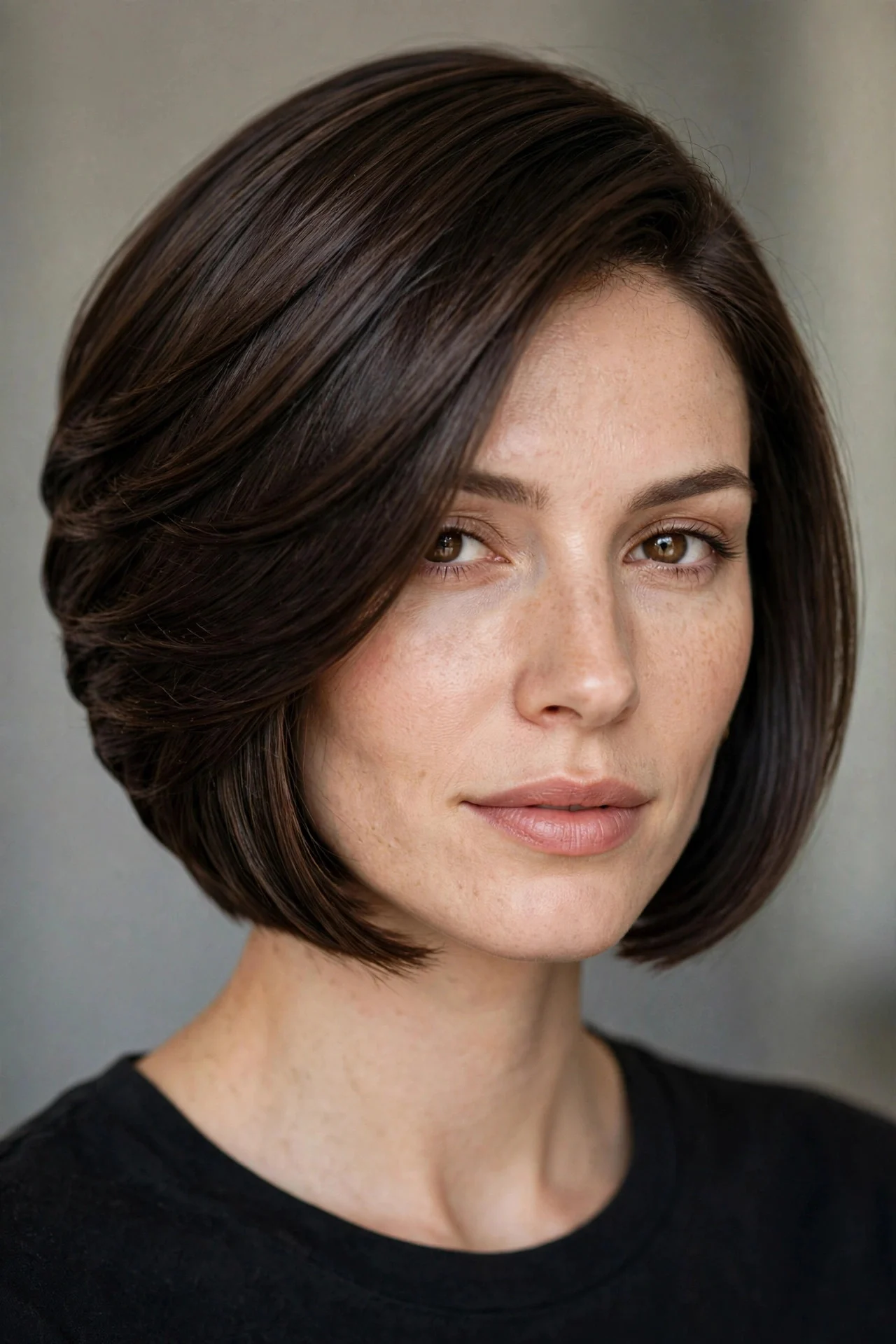
Curls and graduation are a natural match. The stacked back lifts the curls so they spring outward instead of collapsing into a triangle, and the longer front pieces frame the face while they bounce. Ask for a dry cut on your natural curl pattern, nape graduated short, front left longer. This suits type 2C to 3C curls best. Use curl cream on soaking-wet hair, a diffuser, and trims every eight to ten weeks to keep the shape from going bottom-heavy. Book a stylist who actually cuts curly hair, since a wet cut on curls can shrink up shockingly short. Curl specialists charge a premium, often twenty to forty dollars more.
8Wavy, Beach-Textured Graduated Bob

This is the wash-and-go star of the graduated family. Razored texture through the layers encourages your natural wave, and the graduation keeps the back from going bulky as it air-dries. It looks best slightly undone, which means your laziest styling day is also your best hair day.
Ask your stylist for a graduated bob with razored texture, keeping the front at the jaw, and tell them you plan to air-dry. It suits natural waves and medium-density hair. Styling is sea-salt spray or a light wave cream scrunched into damp hair, then hands off until dry. Trims every eight to ten weeks. The drawbacks: on very formal days it can read too casual, and without product the texture frizzes into a halo in humidity.
9Graduated Bob With a Hidden Undercut
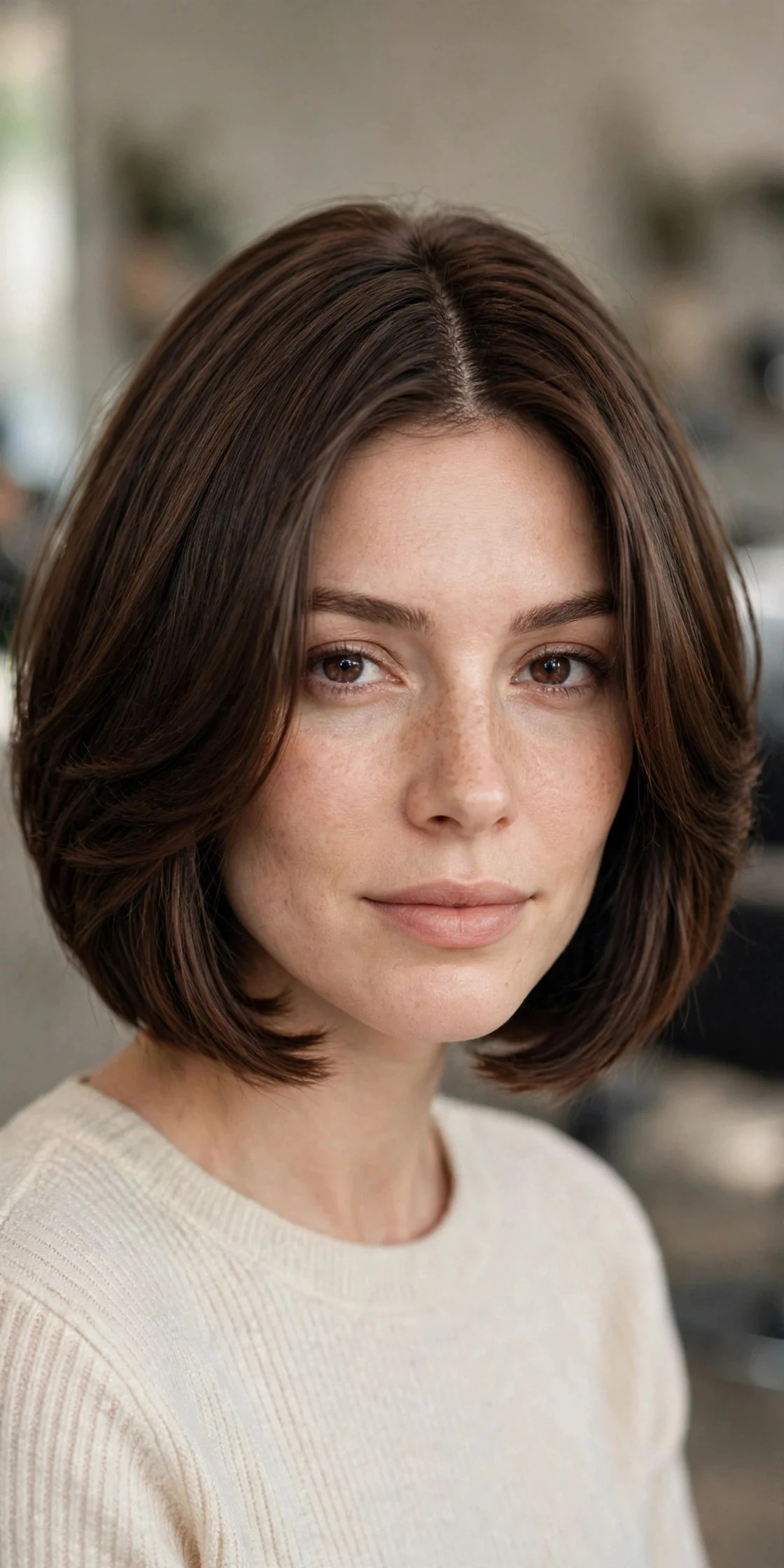
For thick hair that eats bobs alive, the hidden undercut is a quiet fix. The nape is buzzed short underneath while the top layers fall over it, so you keep the shape outside and lose serious bulk inside. Nobody sees it until you put your hair up.
Ask for a graduated bob with the undercut section at the nape, about two inches high. It suits very thick or coarse hair and anyone who runs hot. Styling gets faster with simply less hair to dry. The catch: the buzzed part needs a cleanup every three to four weeks, or it grows into an awkward fuzzy strip. Be honest about updos, though. A ponytail will show the shaved section.
10The Longer Graduated Bob (Graduated Lob)

Not ready to go short? The graduated lob keeps the stacked shape but stretches the front to the collarbone. You get the swing and the movement with a safety net of length, and the grow-out is the easiest on this list.
Ask for a long graduated bob with the front at the collarbone and the back stacked but soft. It suits almost everyone, especially anyone nervous about short hair or with thick hair that needs the weight. Maintenance is relaxed: trims every ten to twelve weeks, and it still looks fine air-dried on wavy hair. The trade-off is impact. It does not have the drama of the shorter versions, and very fine hair can look stringy at this length without some styling effort.
11Graduated Bob With Dimensional Balayage

Color is a movement multiplier. Hand-painted balayage through a graduated bob catches the light on every stacked layer, so the swing becomes visible even from across the room. The cut does the moving; the color makes sure everyone sees it.
Ask for a graduated bob first, then face-framing balayage a shade or two lighter than your base, concentrated through the mid-lengths and ends. It suits flat, one-color hair, and grows out softly. Maintenance is a gloss or toner every six to eight weeks and a full balayage refresh every three to four months, plus color-safe shampoo. The cost is the real consideration: balayage adds a hundred to two hundred fifty dollars, and lightened ends need regular trims and masks.
12Feathered Graduated Bob
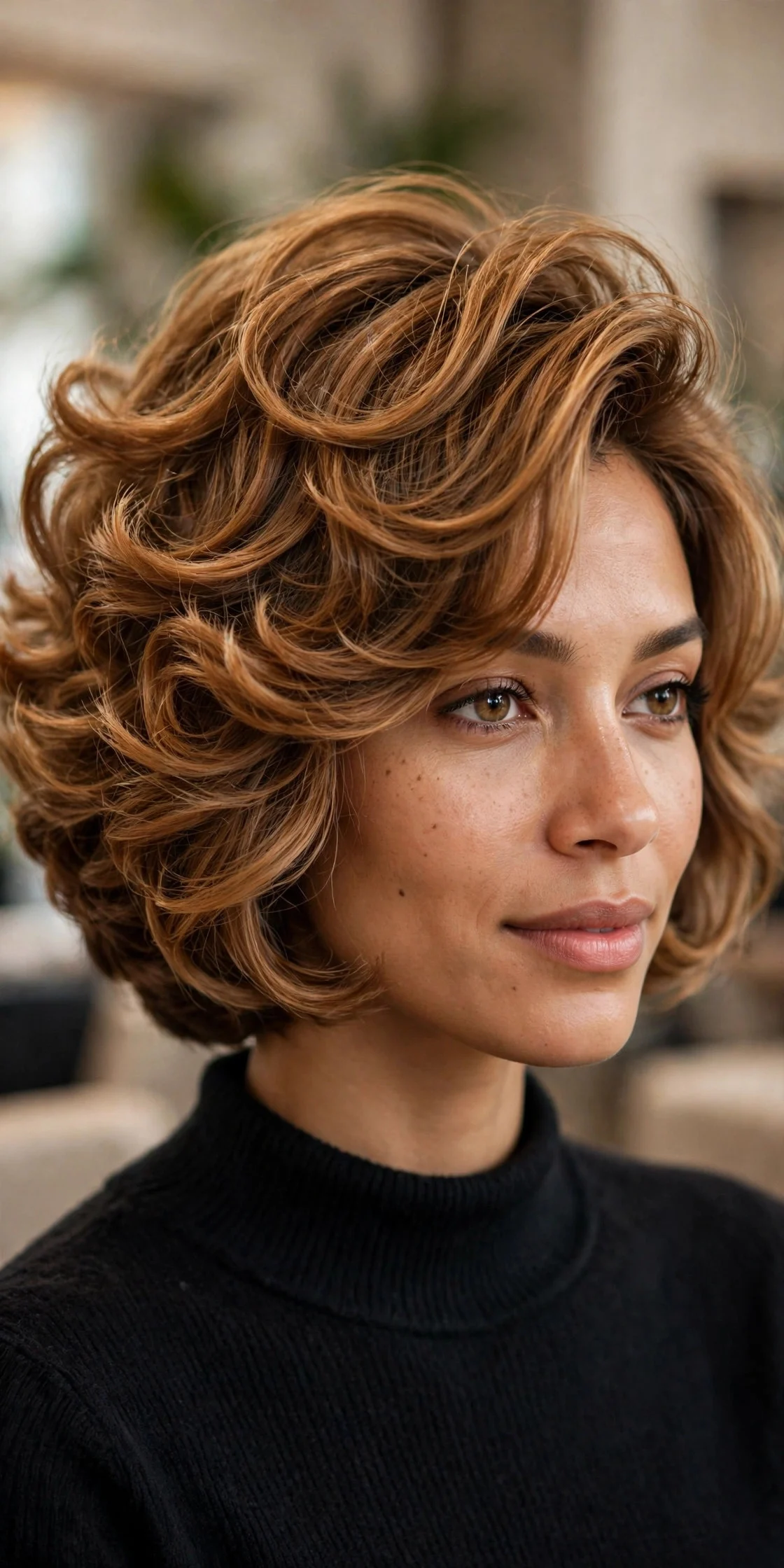
The seventies called, and honestly they had a point. Feathered layers flicked outward through a graduated shape give you constant, fluttery movement, especially around the face. It is softer than the piecey version and more retro than the classic stack.
Ask your stylist for feathered layers through a graduated bob, with the ends flipped out rather than tucked under. It suits fine hair that needs the illusion of volume and oval faces. Styling is a round brush, flipping the ends outward as you dry, finished with a light-hold spray. The drawbacks: flip it too hard and it looks like a costume, and it needs that daily styling. Air-dried, the feathers fall flat and the whole thing loses its point.
How to Style and Care for a Graduated Bob
A graduated bob lives or dies on the blow-dry. Use volumizing shampoo for fine hair, smoothing shampoo for frizz, and condition mid-lengths down so the nape does not go limp. Rough-dry to about eighty percent, then use a medium round brush on the back sections, working upward and outward. That lift at the crown makes the stack look intentional instead of flat.
A pea-sized amount of lightweight mousse at the roots gives fine hair grip without crunch. Thick hair does better with smoothing cream on the ends. Let the cut cool before you touch it. Warm hair falls flat the second your fingers get involved.
At night, a loose low ponytail or silk scarf keeps the nape from kinking. Mornings need only dry shampoo and a quick brush-through. Book your trim before you leave. Six to eight weeks is the sweet spot, and pushing past ten turns the stack into a shelf.
Will a graduated bob work on thin hair?
Yes, and it is one of the better short cuts for fine hair. The stacking builds the illusion of density at the back, where thin hair tends to go limp. Keep the graduation soft, and skip heavy razoring, which makes fine ends wispy. A little root mousse and a round brush do the rest. It will not create hair you lack, but it makes the most of what is there.
How often does a graduated bob need a trim?
Every six to eight weeks for most versions. The shape depends on the contrast between the short nape and the longer front, and that contrast disappears as hair grows. Around week nine or ten the back starts to look bulky instead of stacked. If you wear an undercut version, the shaved section needs a buzz every three to four weeks to stay clean.
Can I air-dry a graduated bob, or does it need heat styling?
Some versions air-dry fine. The textured, wavy, and curly takes on this list were made for it. The sleek and classic stacked versions really do want a blow-dryer, at least through the back, or the layers fall flat and the shape reads as a triangle. If you hate heat styling, tell your stylist upfront and pick one of the wash-and-go options.
Is a graduated bob hard to grow out?
It is a medium-difficulty grow-out. The nape grows into a mullet-like shape if you ignore it, so plan on two or three shaping trims where the stylist only cleans up the back and lets the front catch up. Once the back reaches the front’s length you are basically growing a lob. It takes four to six months, depending on your starting length.
How much does a graduated bob cost at the salon?
This usually runs sixty to one hundred twenty dollars at a mid-range salon, more in big cities or with a senior stylist. It takes longer than a one-length trim because the graduation has to be built section by section. Add one hundred to two hundred fifty dollars if you want balayage or color with it. The real cost is the upkeep: those six-to-eight-week trims add up over a year.
Keep exploring: Curly Butterfly Cut Ideas, 14 Lived In Brunette Hair Ideas, Copper Balayage Ideas