
The middle part had its moment, and a long one at that. But 2026 is quietly bringing the side part back, and Pinterest's own trend data backs it up: searches for "soft side part" have climbed roughly 840% this year. A deep side part is the fastest refresh you can give your hair without cutting a single strand. It changes how your hair falls, where the volume sits, and how your whole face reads. If your haircut feels tired lately, start with the part before you reach for the scissors.
1Soft Side Part on Long Layers
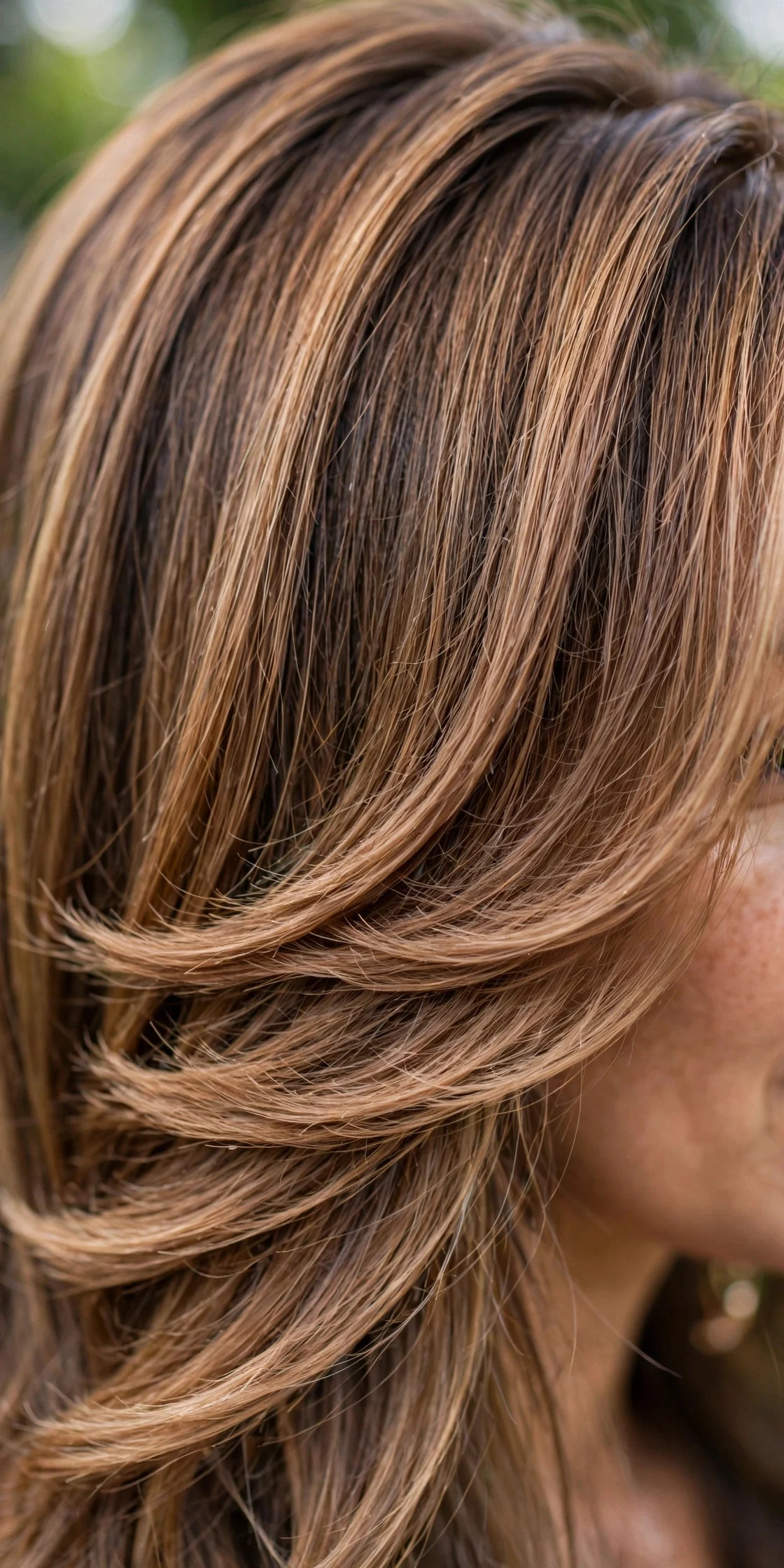
This is the entry-level side part and honestly the prettiest. Start with clean, damp hair and work a pea-sized amount of lightweight styling cream through the mid-lengths. Blow dry with a round brush, flipping your part to the side while you dry so the roots learn the new direction. Long layers fall in a gentle diagonal that frames the face without any hard edges. It suits oval and heart-shaped faces best, on straight to lightly wavy textures. The drawback: very thick hair can slide back toward center by lunchtime, so keep a travel hairspray for a midday flip. No special maintenance beyond your usual layer trim every 8 to 10 weeks.
2The Side Part Bob
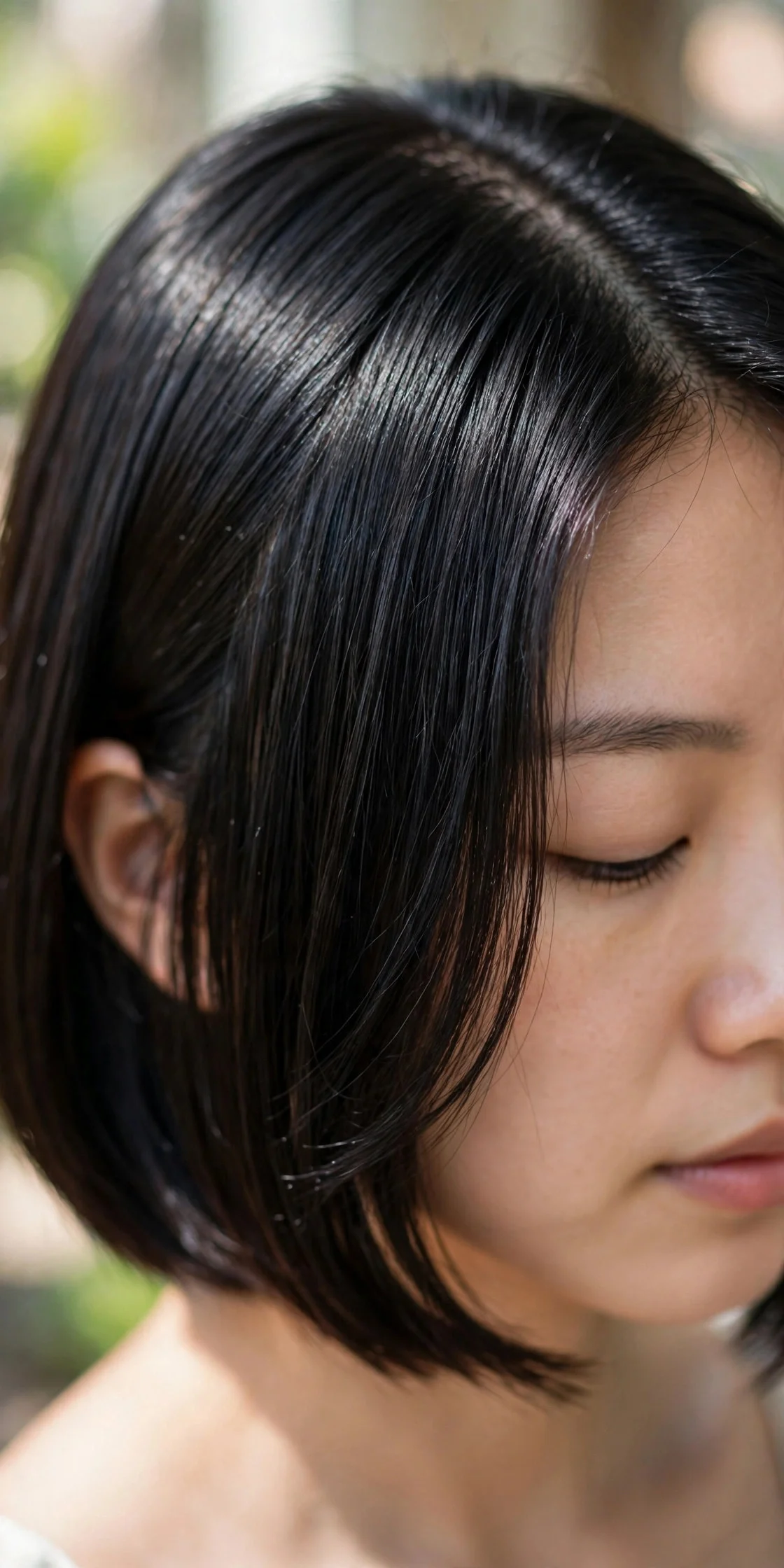
A chin-length bob with a soft side part has that undone French-girl energy that never really goes out of style. Ask your stylist for a blunt or slightly undercut bob with no hard parting carved in, so the part stays flexible. Style with a flat iron, bending the ends under just slightly, and tuck the lighter side behind your ear. This looks wonderful on round and square faces because the diagonal part breaks up symmetry and narrows the look of the face. It suits fine to medium hair; very thick hair can puff out at the sides. Drawback: it needs a trim every 5 to 6 weeks, though short hair retrains its part within a few days.
3Side Part with Curtain Bangs
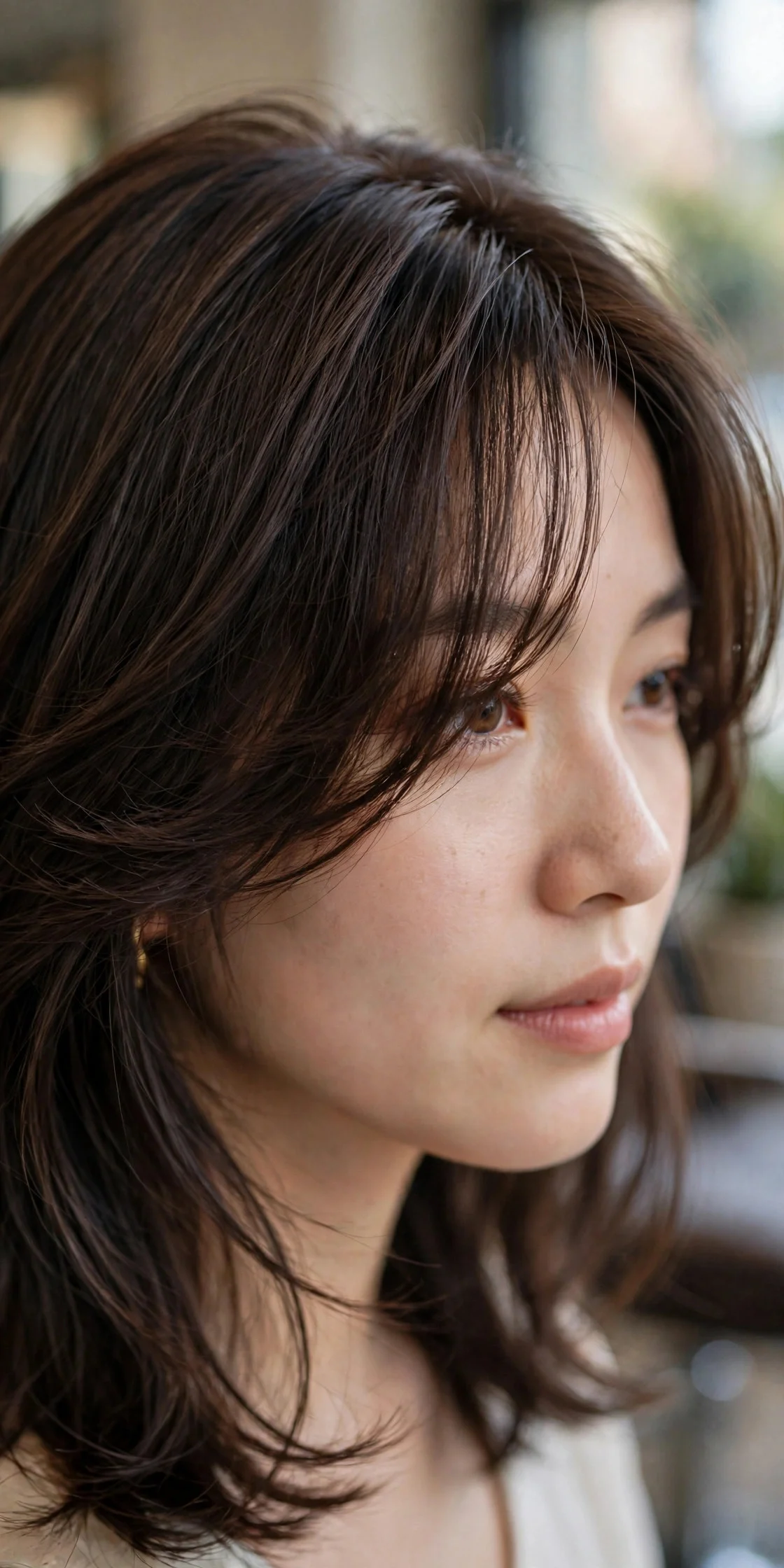
Pairing a soft side part with curtain bangs is the combination that convinced most of the holdouts. Part your hair slightly off center, then let the curtain fringe fall in its natural sweep to either side of your forehead. This works beautifully on medium to long hair and flatters almost every face shape, since the fringe softens the forehead and the off-center part keeps things interesting. Curtain bangs need a trim every 3 to 4 weeks or they grow into face-framing layers (which still looks fine). The drawback is frizz along the part line on humid days, so keep a smoothing serum handy.
4Old Hollywood Side Part Waves
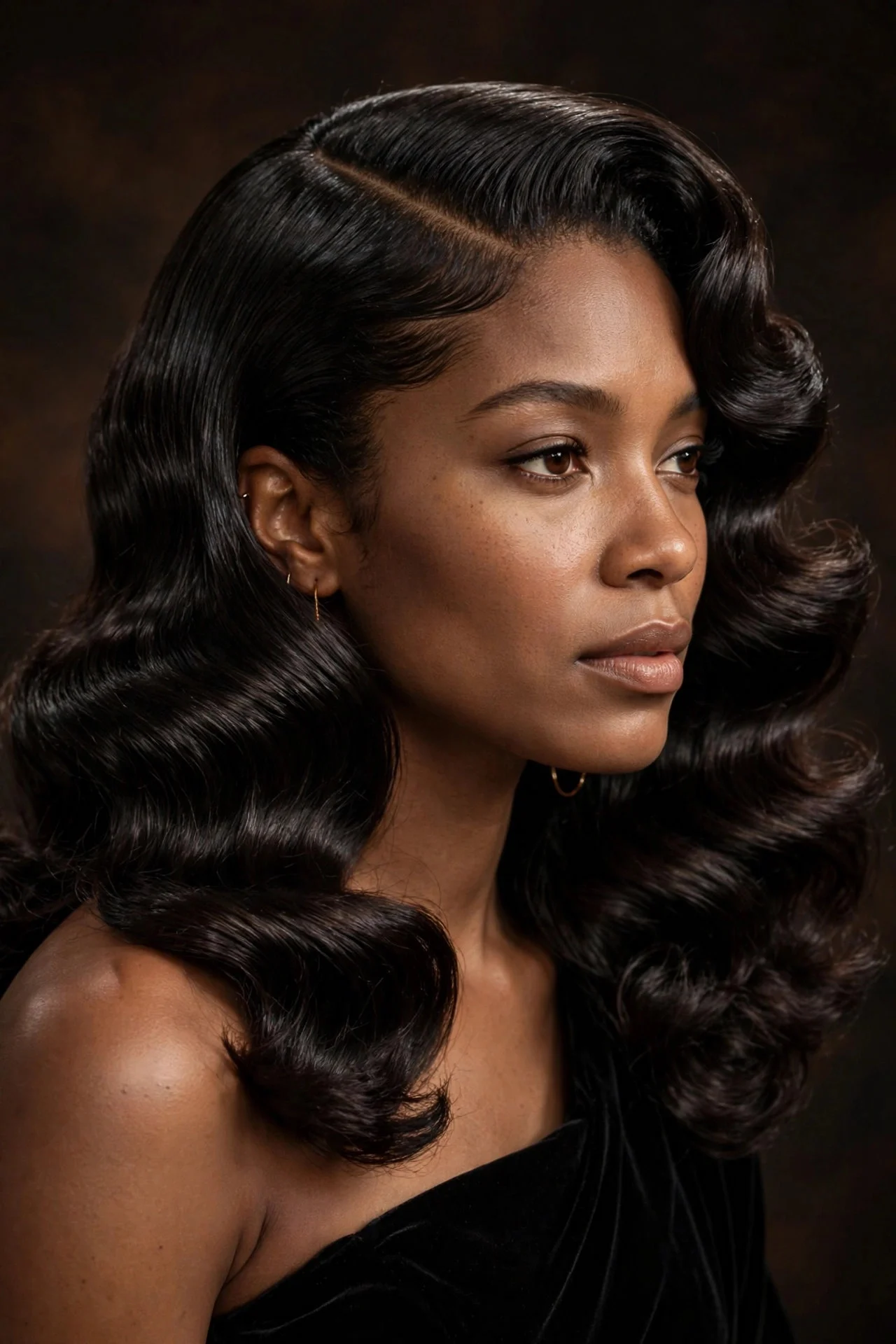
This is the glamorous one. Deep side part, glossy waves rolling in one direction, and volume that looks like it cost a fortune. Set damp hair in large velcro rollers or a big-barrel curling iron, always curling away from the face on the heavier side. Once cool, brush through with a paddle brush to melt the curls into waves, then mist with shine spray. Round faces love this because the deep diagonal elongates. The honest drawbacks: it takes 25 to 40 minutes, it collapses in humidity without strong-hold hairspray, and sleeping on it means starting over.
5Sleek Side Part Straight
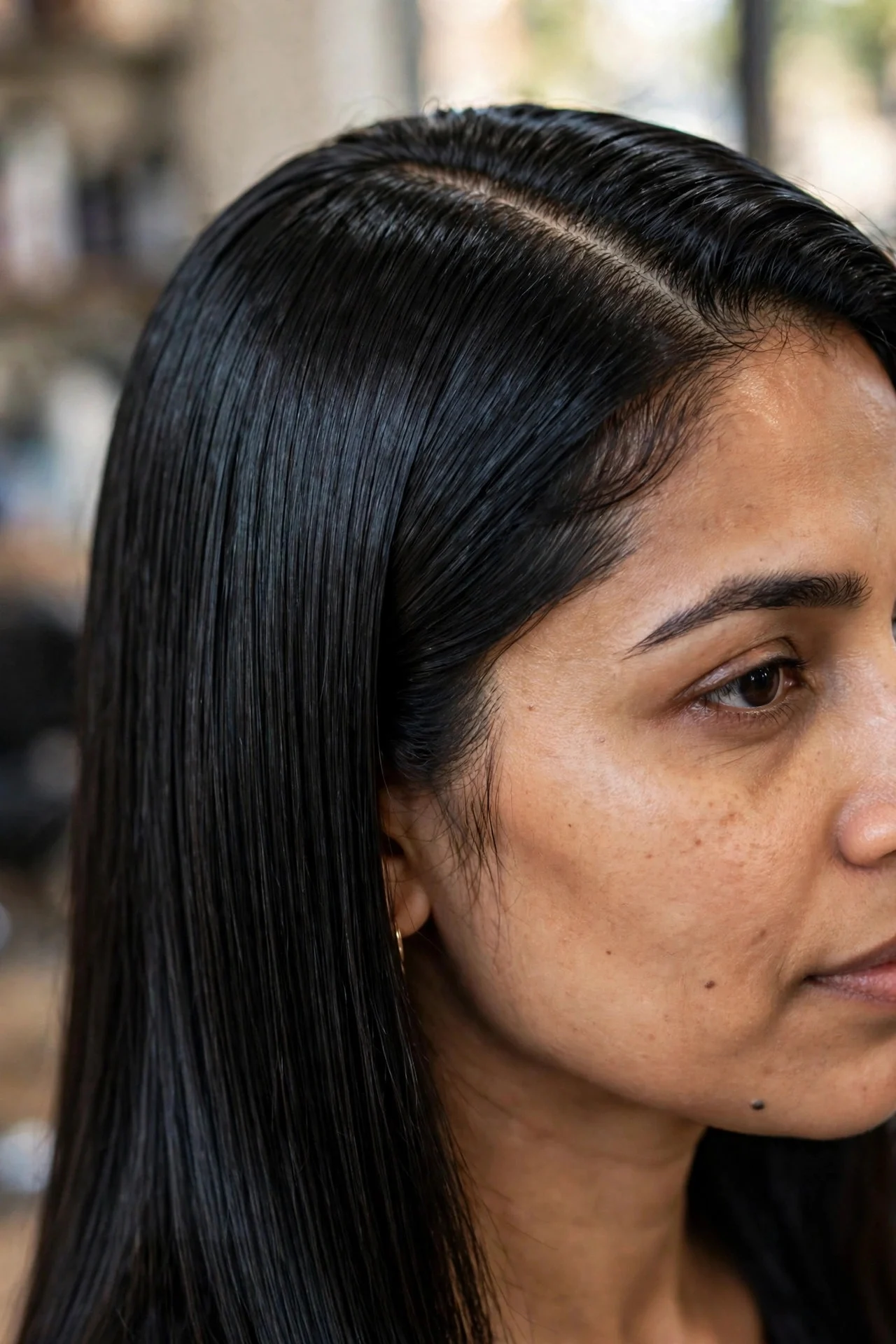
Minimal effort, maximum polish. Flat iron small sections from root to tip, keeping the part crisp but not harsh, and finish with a drop of smoothing oil on the ends. A little edge control along the part line keeps baby hairs from frizzing up. This style suits oval and long faces especially well, and it looks sharp on clean-lined cuts like lobs and one-length hair. Fine hair does great here; very curly hair needs serious heat and humidity protection to stay sleek all day. Maintenance is mostly heat-protectant discipline and a silk pillowcase to keep it smooth overnight. Drawback: flat roots show fast, so this is the style that reveals when your hair needs a wash.
6Side Part on Curly Hair
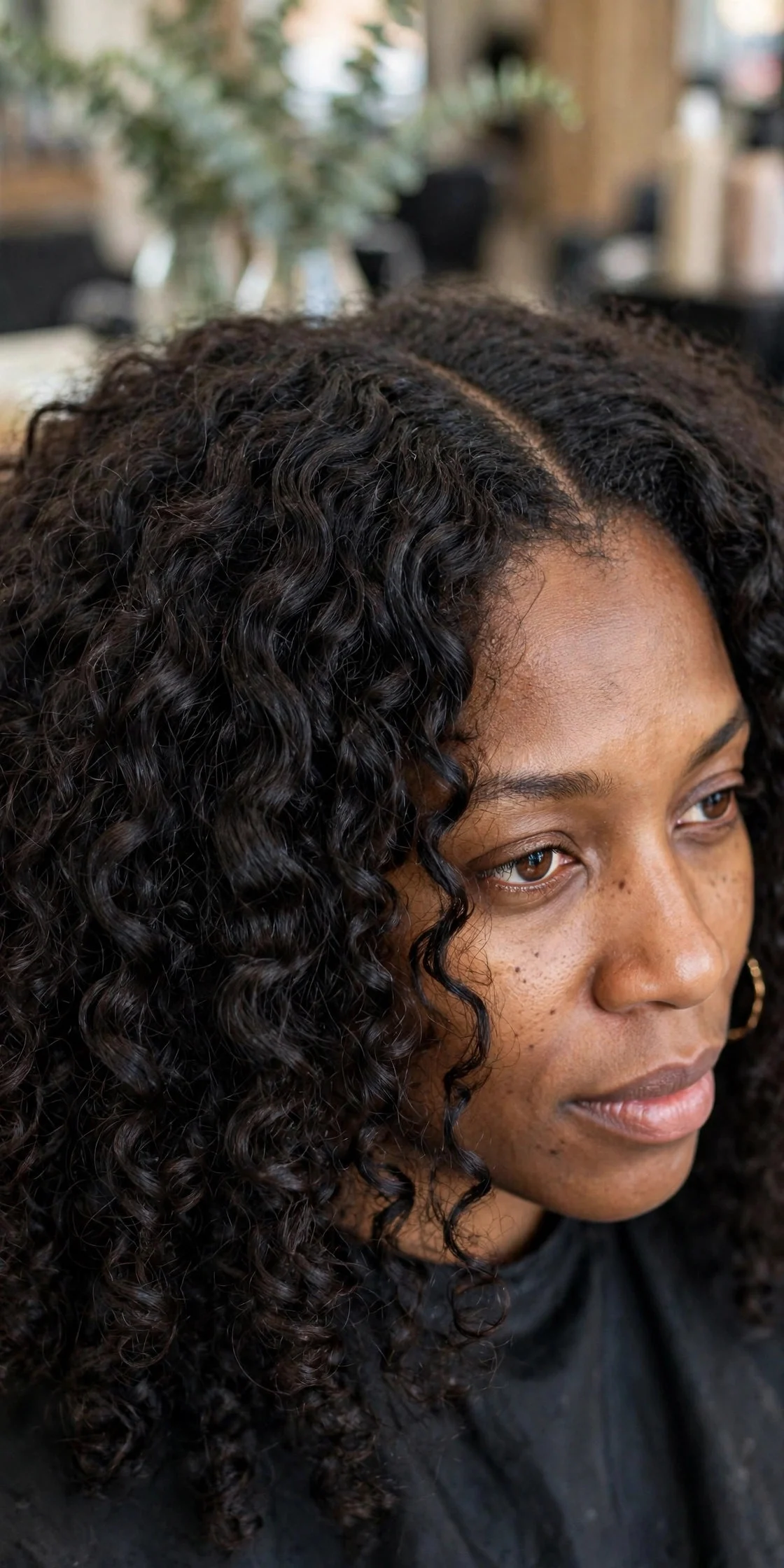
Curls and a side part are a match that more curly girls should try. The side part lifts the roots on the heavier side, which solves the flat-crown problem many curl patterns fight. On wash day, part damp curls to the side with your fingers (never a fine comb), apply curl cream and gel using the praying-hands method, and diffuse upside down before flipping to your part. Works on wavy through coily textures, and shoulder-length or longer curls show it off best. Drawbacks: wash-day frizz along the new part line, and the part can drift as the days go on. Refresh with a little water and gel on the roots, clipping the part in place for 10 minutes while it dries.
7The Side Part Lob
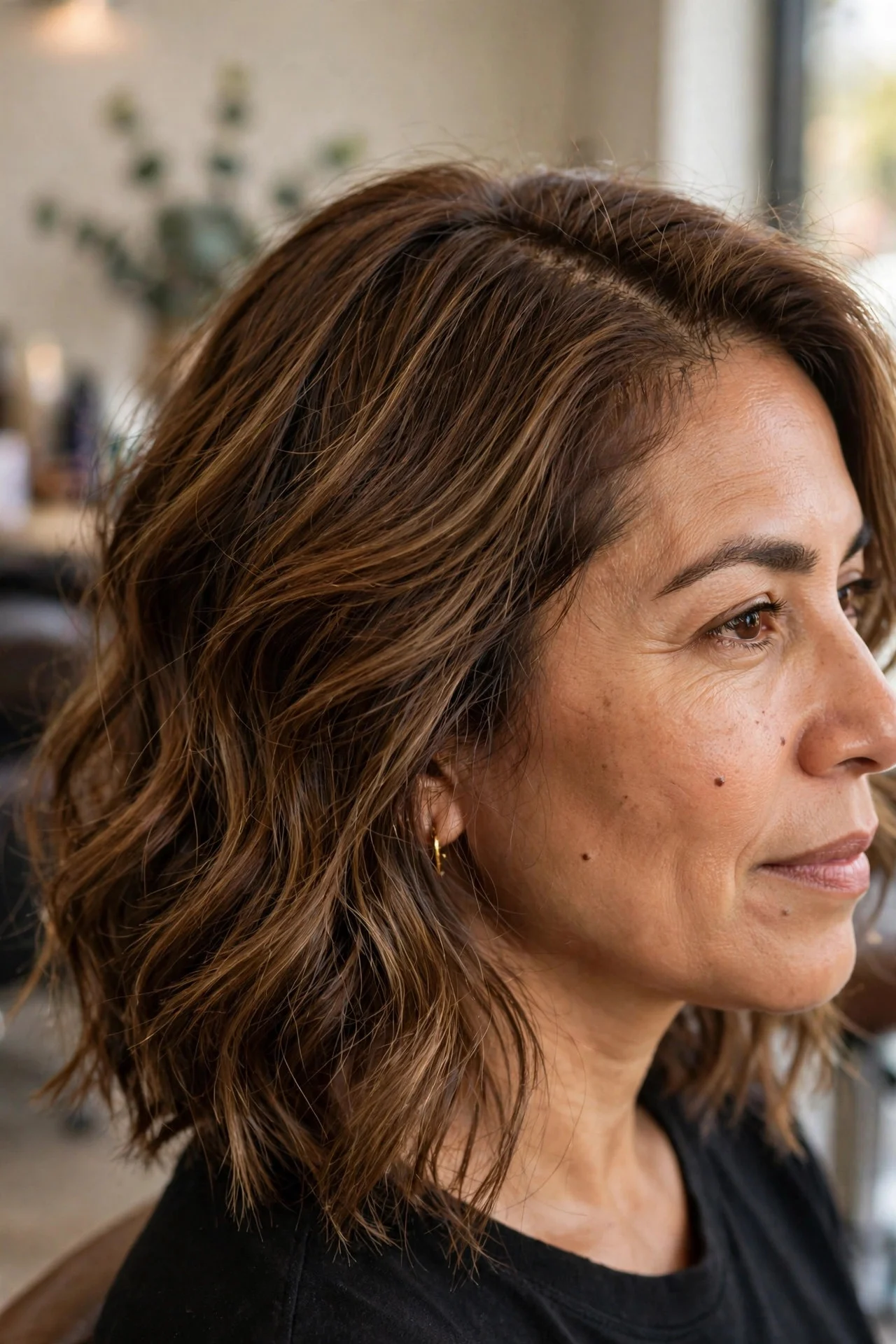
The lob is already the most versatile haircut around, and a soft side part makes it feel new again. Ask for a lob that hits at or just below the collarbone with long, blended layers through the ends. Style with a flat iron wave: clamp, twist away from the face, pull down slowly. Alternate the direction on the back pieces for a natural finish. This suits virtually everyone, which is why stylists keep recommending it. The drawback is the grow-out phase, when lobs hit that awkward shoulder-grazing stage. Book trims every 8 weeks and enjoy the sweet spot while it lasts.
8Side Part with Volume at the Crown
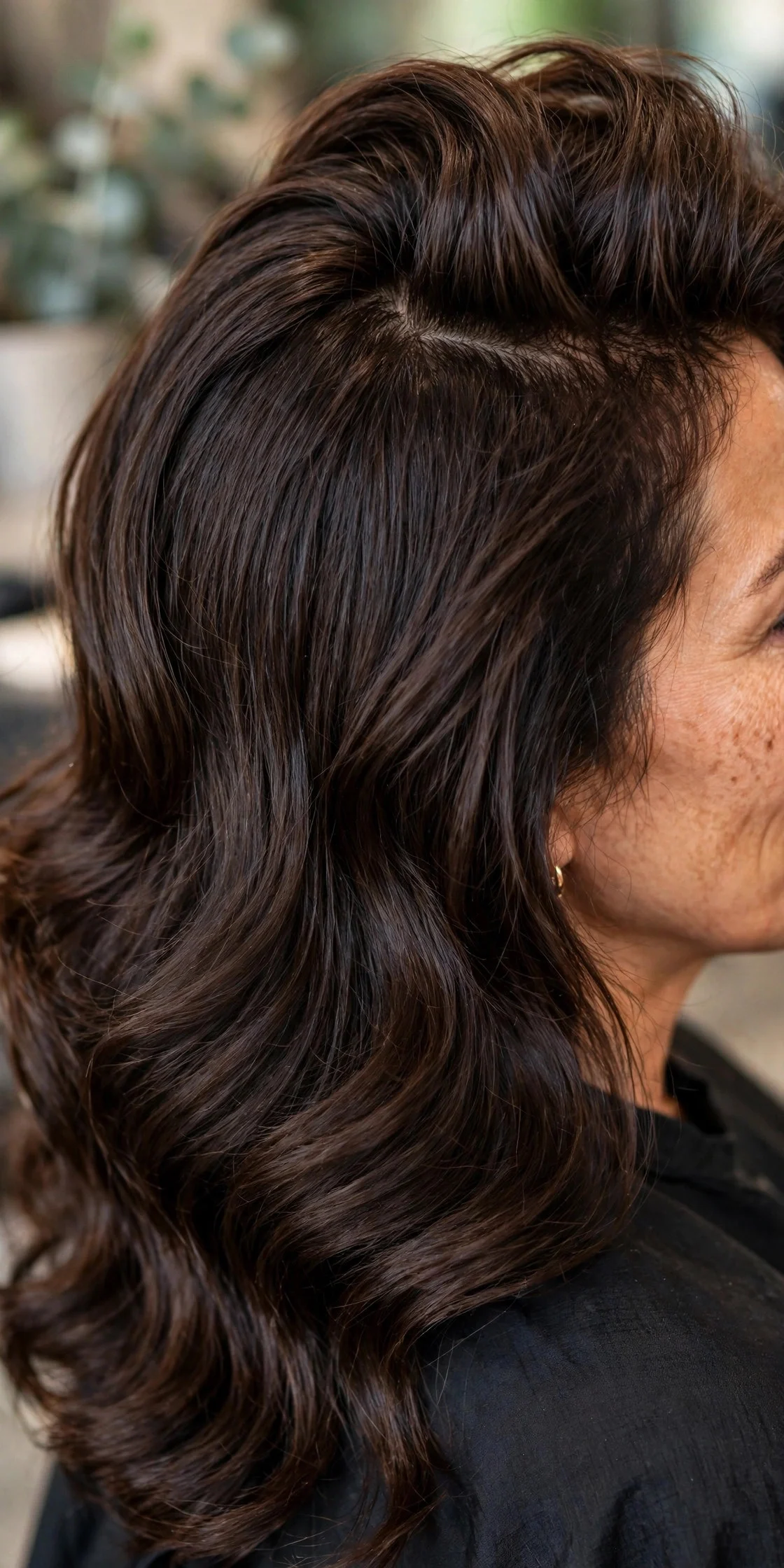
If flat roots are your complaint, this is your fix. Blow dry the crown section upward with a round brush, overdirecting the roots against the part so they stand up. Backcomb the underside of the crown very lightly (two or three strokes, no more), then smooth the top layer over it. A root-lift spray applied to damp roots before drying makes a real difference here. Drawback: aggressive backcombing causes breakage over time, so keep it gentle, and this style wilts by evening on oily scalps. Morning dry shampoo at the roots extends it.
9The Side Part Pixie
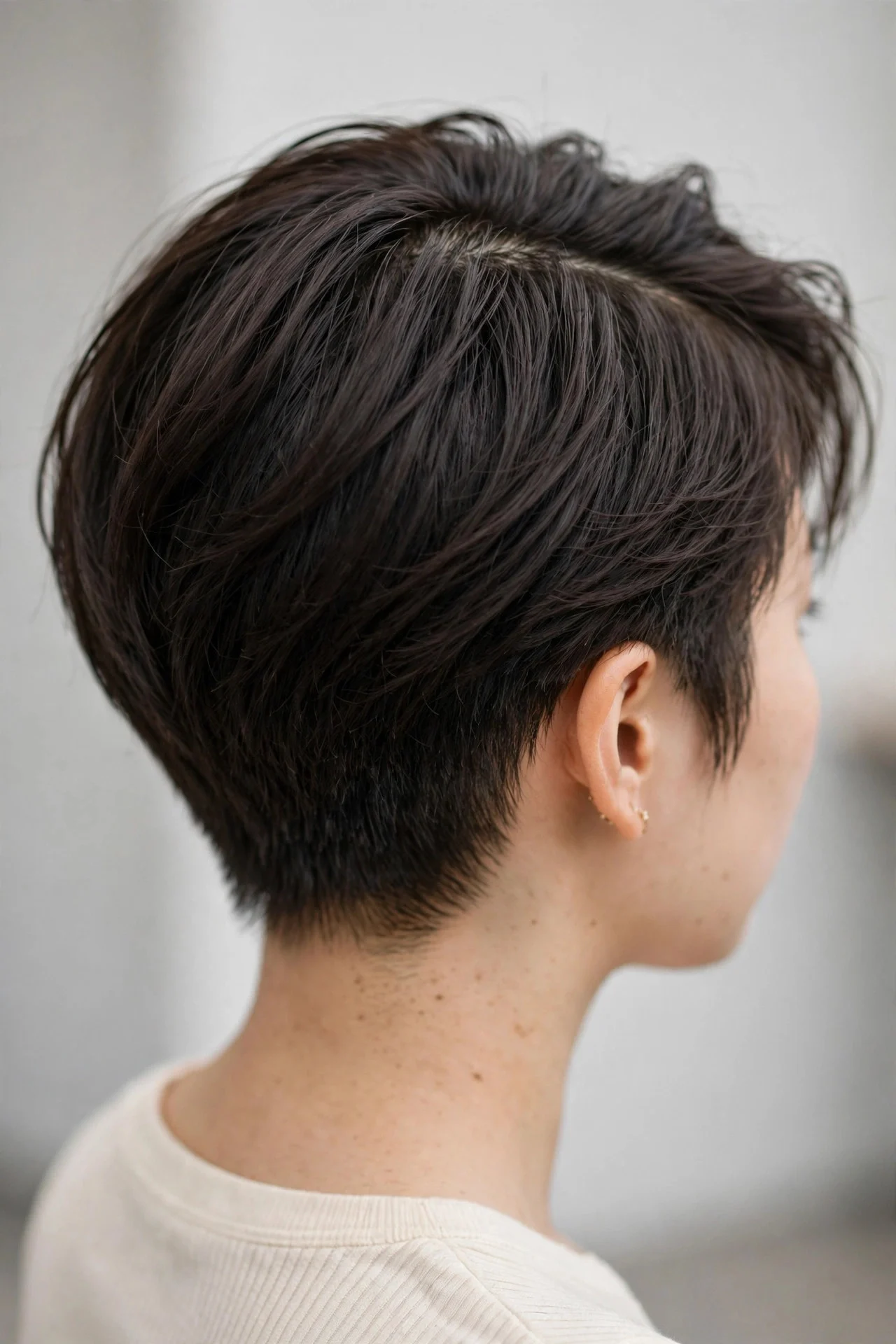
Yes, pixies can do a side part, and it is adorable. Sweep the longer top section to one side while the shorter side stays close to the head. A little matte pomade worked through the top gives texture and direction; keep it light so the hair does not look greasy. This suits petite and oval faces beautifully, and it works best on straight to wavy hair with enough length on top (at least 2 to 3 inches). The drawback: it needs a trim every 4 weeks, and morning bedhead is real, so you will restyle the top daily. That restyle takes about three minutes, so it is a fair trade.
10Side Part Low Bun
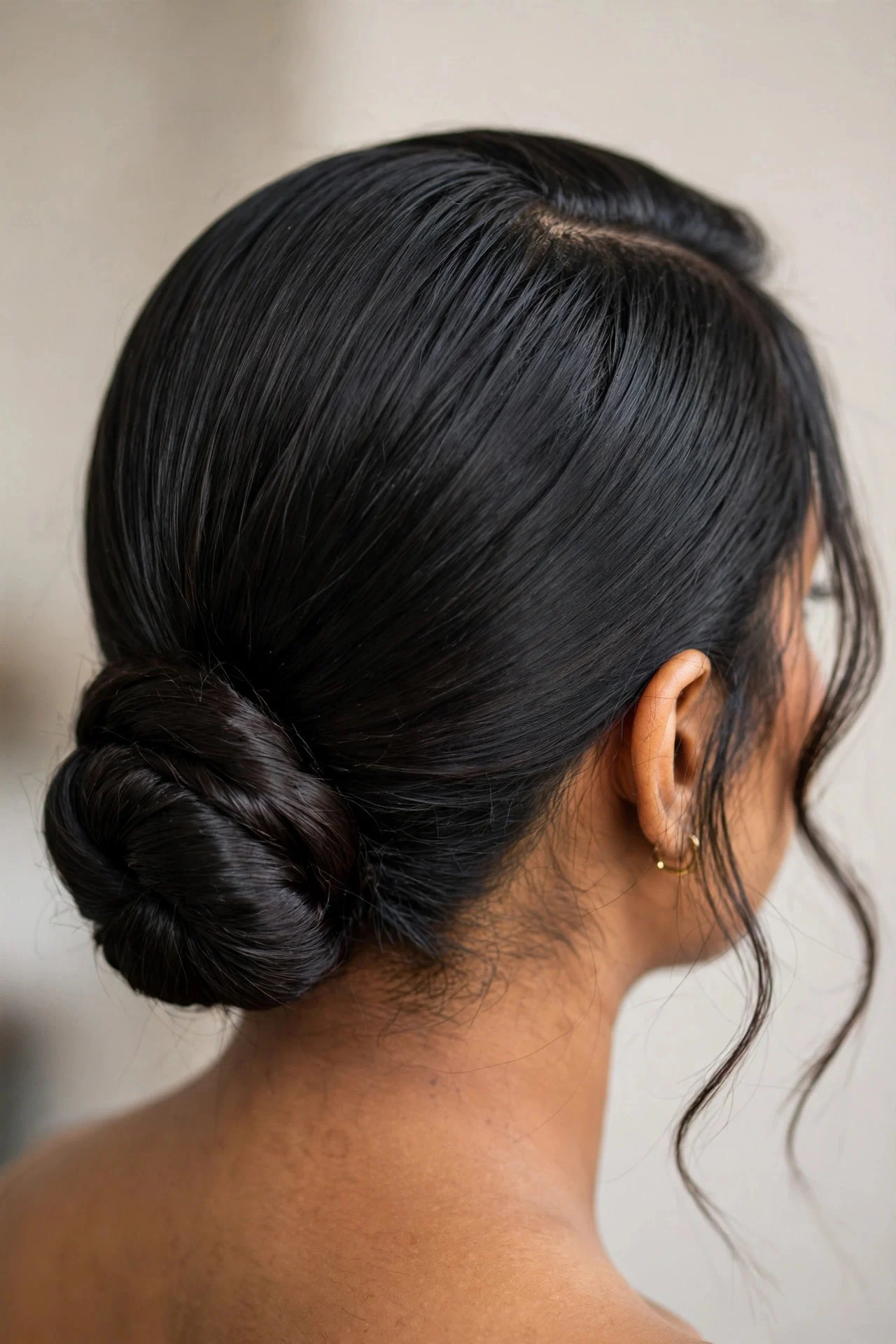
The low bun with a soft side part is the polished style that works for the office, weddings, and everything between. Part your hair to the side, smooth it back with a boar-bristle brush, and gather it at the nape. Twist into a low bun and pin, leaving a few face-framing pieces out on the heavier side. A little texturizing spray before gathering gives the bun grip so it does not slide. This suits all face shapes and all textures, including curly and coily hair (just stretch the roots first). Drawback: slicked-back styles pull, so do not wear it tight every day or you risk tension at the hairline.
11Side Part Half-Up
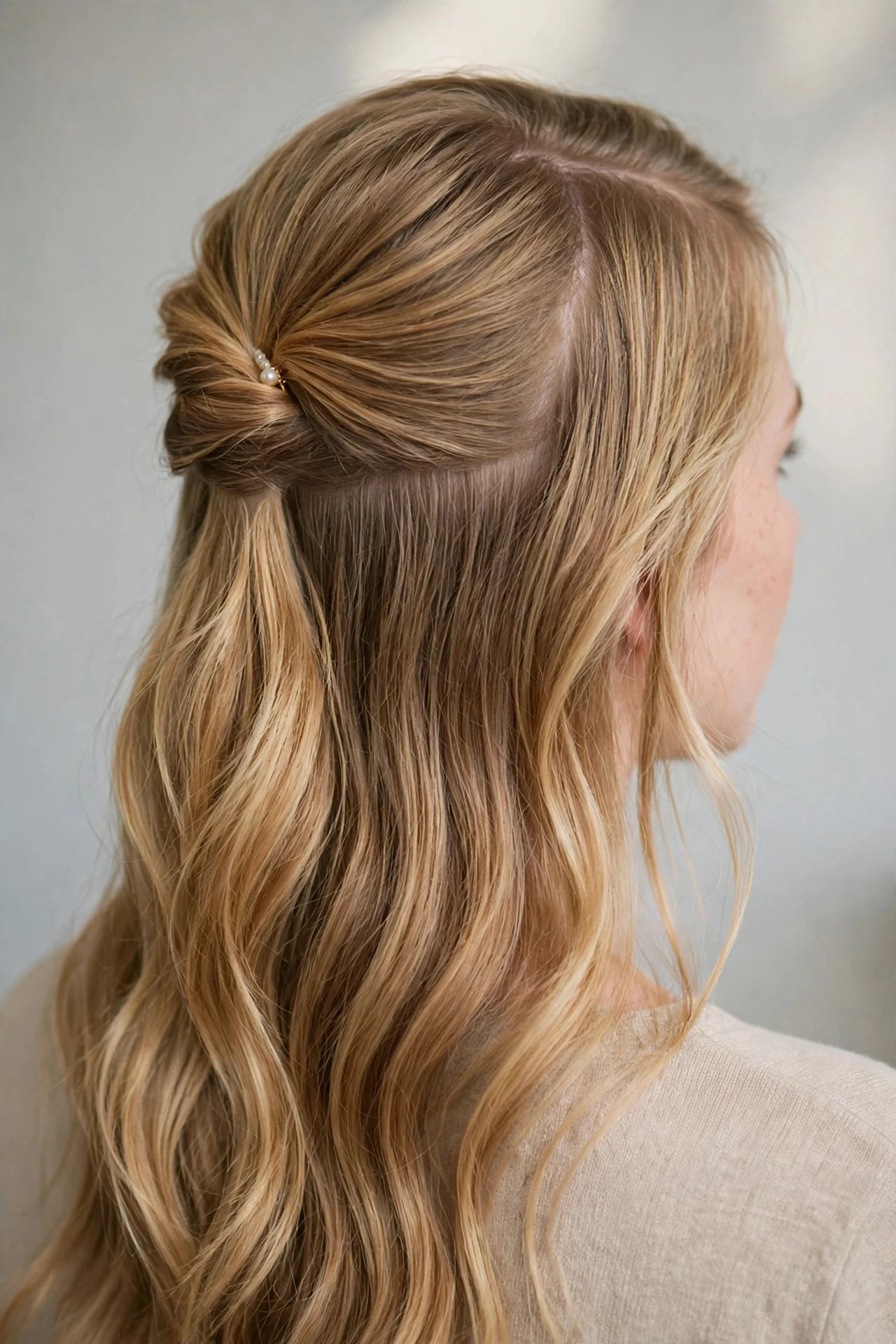
Half-up styles get an instant upgrade from a side part because the asymmetry keeps them from looking too sweet or schoolgirl. Part to the side, then gather the top section from the heavier side and pin or tie it back, leaving the rest down. Add a loose wave to the down sections with a flat iron for texture. This suits medium to long hair and flatters round and square faces, since the diagonal part and the lifted crown both add length visually. It takes five minutes once your hair is dry. Drawback: the pinned section can loosen over the day, especially on silky hair. Use a small clear elastic plus one bobby pin crossed over it.
12Deep Side Part on a Wavy Lob
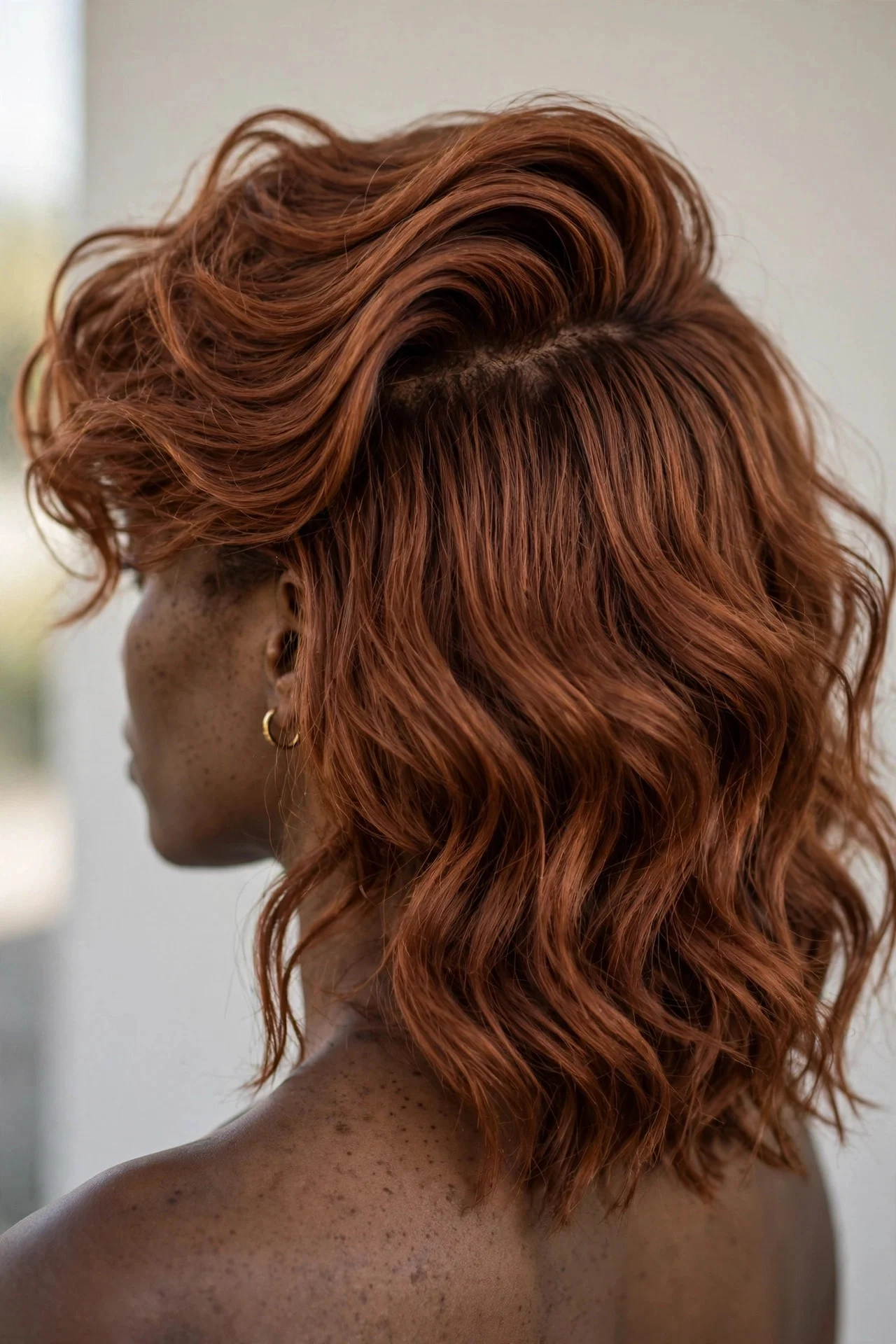
Save the deepest, most dramatic part for last. This is the wavy lob with the part pushed almost to the temple on one side, creating a heavy sweep of hair across the forehead. Scrunch sea-salt spray into damp hair and diffuse, or braid damp hair overnight for heatless waves. The deep part gives instant volume at the root and a slightly mysterious, editorial feel. It suits oval, heart, and long faces best; on very round faces, keep the sweep lighter so it does not cover too much. Drawback: a very deep part exposes more scalp on the light side. Root powder along the part line camouflages it nicely.
How to Train a Stubborn Middle Part to the Side
If you have worn a middle part for years, your hair will fight the change. That is normal, and it is fixable with about a week of consistency. Start with damp hair, because wet hair is impressionable. Comb it into the new side part right after washing, then apply a lightweight mousse or root-lift spray at the roots on the heavier side. Blow dry the roots in the direction of the new part, pointing the nozzle down the hair shaft so the roots lie flat. For extra stubborn parts, clip the part line in place with two flat clips while your hair finishes air drying. At night, a loose low ponytail or a silk scarf laid over the part keeps it from drifting back. Most hair retrains in 5 to 7 days; thick or coarse hair can take two weeks. Cowlicks near the part need targeted help: dampen just the cowlick, press it flat in the new direction, and hit it with 15 seconds of dryer heat while holding it down. Repeat daily until it surrenders.
Frequently Asked Questions
Does a side part suit round faces?
Yes, it is one of the most flattering choices for round faces. A middle part mirrors the face's symmetry and can make fullness more noticeable, while a soft side part creates a diagonal line that visually lengthens and slims. Keep the part soft rather than razor-crisp, and pair it with volume at the crown or face-framing layers. Just avoid styles that plaster hair flat against the cheeks.
How do I keep volume at the roots with a side part?
The trick is drying the roots against the part. On damp hair, apply root-lift spray or mousse at the crown, then blow dry the roots upward and over to the opposite side of your intended part before flipping the hair into place. Velcro rollers on the crown for 10 minutes while you do your makeup also work wonders. Fine hair benefits from dry shampoo at the roots even on clean hair, since it adds grit and lift.
Can I wear a side part with thin or fine hair?
Absolutely, and it often looks fuller than a middle part on thin hair. The side part concentrates more hair on one side, which creates the illusion of density, and it hides the wider part line fine hair tends to show in the middle. Use lightweight products, keep the part soft and slightly zigzagged, and add root powder along the part to make it look denser.
How do I refresh my side part during the day without restyling?
Flip your head upside down and shake the roots out, then flip back up and reset the part with your fingers. That alone revives most of the volume. If the part has drifted, dampen just the part line, recomb it, and press it into place for 30 seconds. A travel-size dry shampoo sprayed at the roots also makes the part look freshly styled.
Is a side part or a middle part better for 2026?
Honestly, both are fine, but the momentum is with the side part right now. Pinterest's trend data shows "soft side part" searches up around 840%, and stylists call it the easiest refresh of the year because it changes your whole look without a cut. The middle part still suits long, sleek hair beautifully. But if your style has felt stale, the side part is the lower-commitment experiment to try first.
Switching your part is the rare beauty change that costs nothing, takes a week to settle, and can make a two-year-old haircut feel brand new. Pick the version that fits your hair type and your morning routine, give your roots a few days to learn the new direction, and enjoy the refresh.
Keep exploring: if you love big, touchable volume, these 15 Telenovela Hair Ideas for Big Volume are full of dramatic inspiration. For rich, dimensional color that pairs beautifully with a soft side part, browse these 14 Lived-In Brunette Hair Ideas. And if volume is the whole goal, these 10 Curly Butterfly Cut Ideas for Volume show how the right layers can do half the work for you.