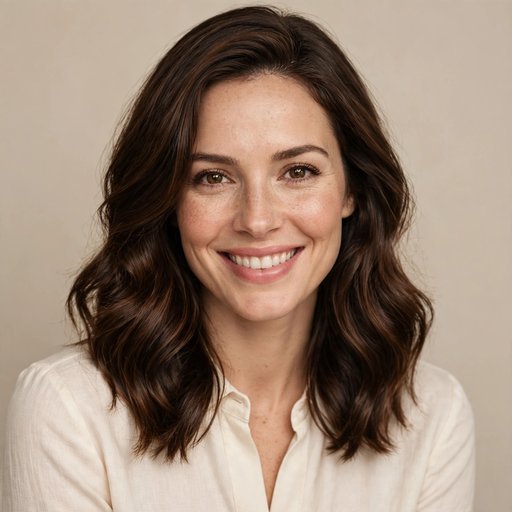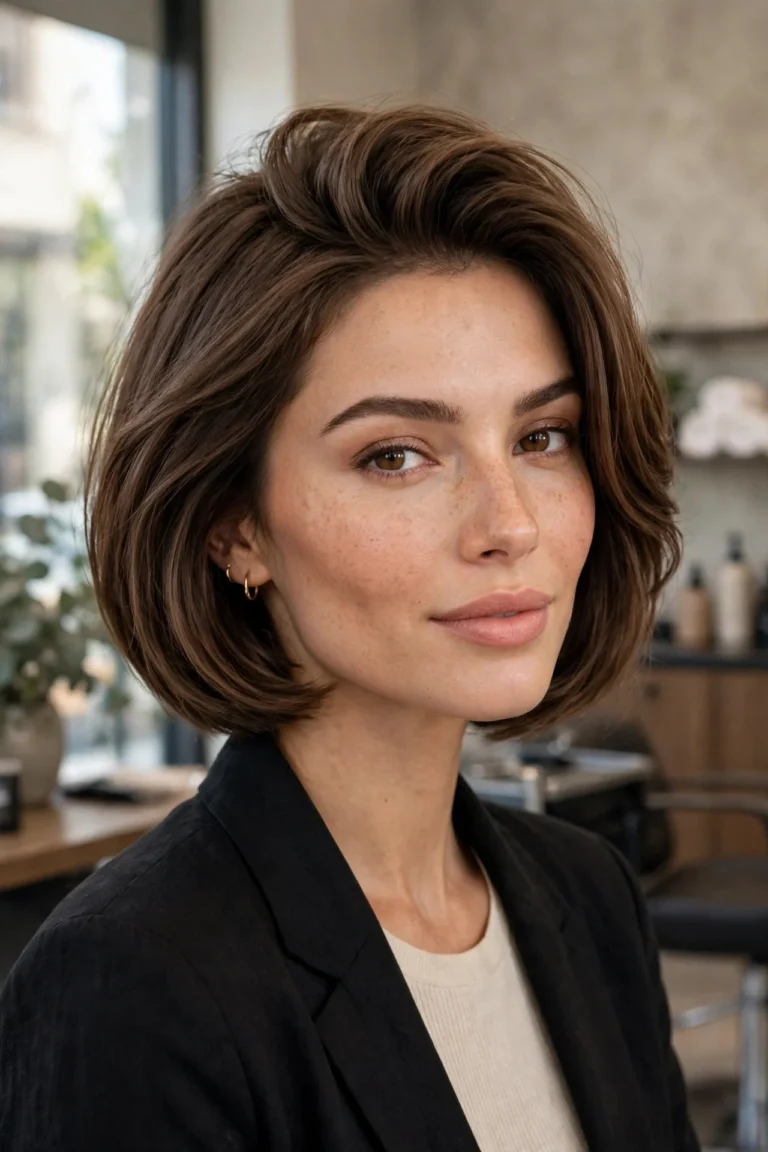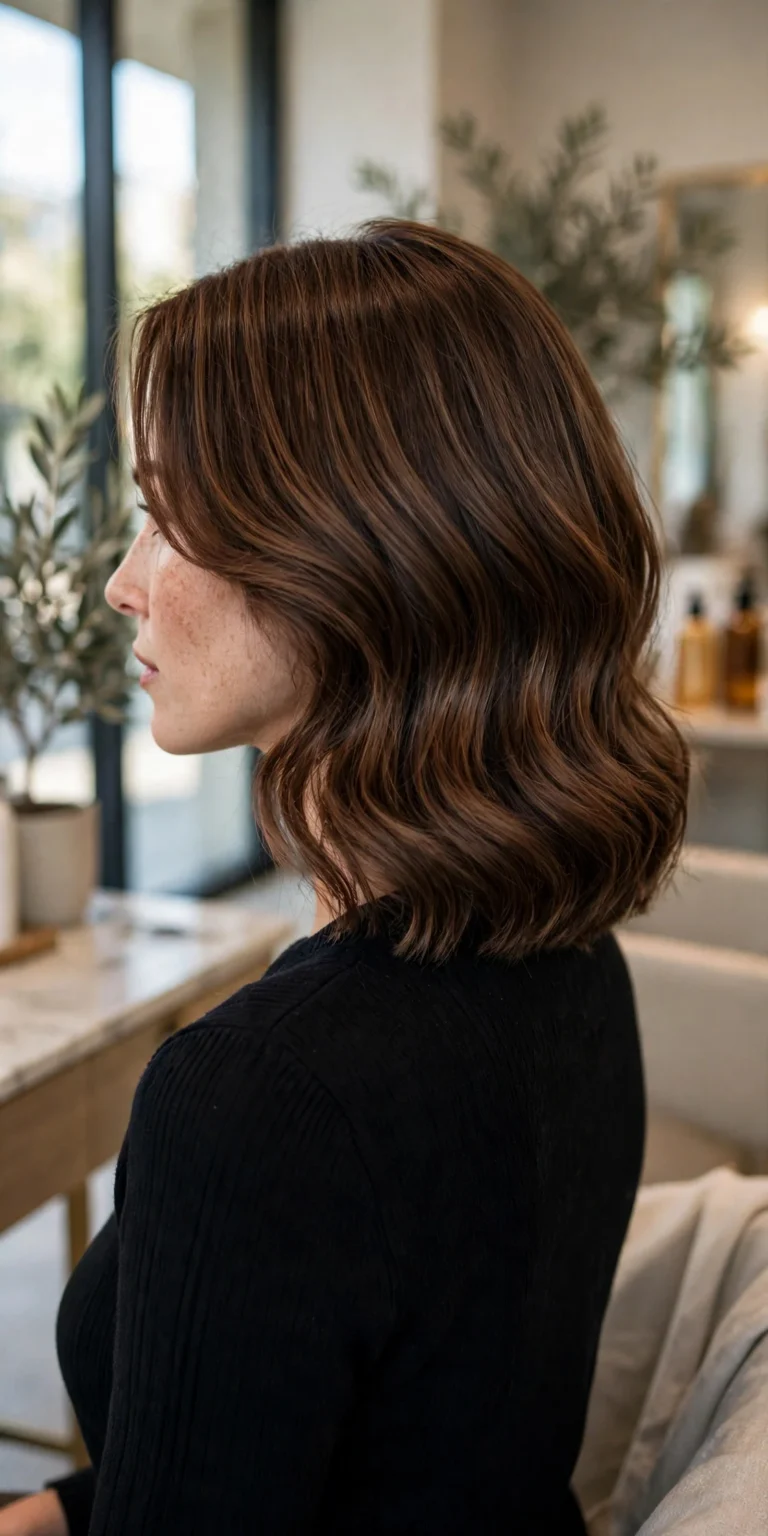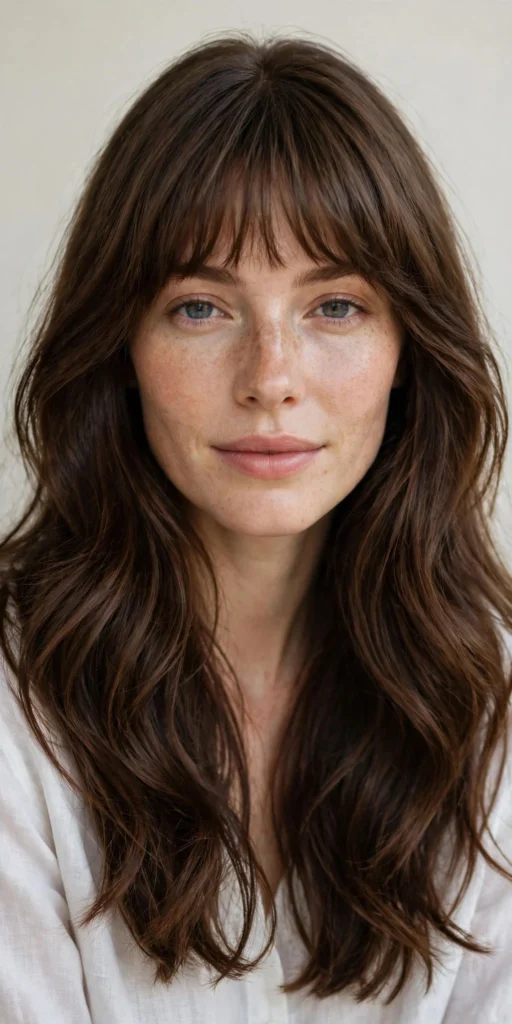
A bigger forehead is not a flaw to hide. It is just a feature, and the right fringe can balance it beautifully while giving the rest of your face more attention. The trick is picking a bang that works with your hair texture and your daily routine, not just a photo you saved.
Below are ten styles that actually do the job. Some are soft and low maintenance, others need regular trims and a bit of styling. Read the upkeep notes before you book, because the best bang is the one you will happily live with.
1Curtain Bangs

Curtain bangs part in the middle and sweep to each side, framing the face like a soft window. Ask your stylist for face-framing layers that start at cheekbone level and blend into the rest of your hair. This style suits almost everyone, especially oval and longer face shapes, and it works well on straight or lightly wavy hair. It softens a high forehead without covering it completely, so you still look like yourself. Maintenance is easy. You can let them grow out gracefully, and trims every six to eight weeks keep the shape tidy. The drawback is that very curly hair may need blow drying to get the same sweep.
2Wispy Fringe
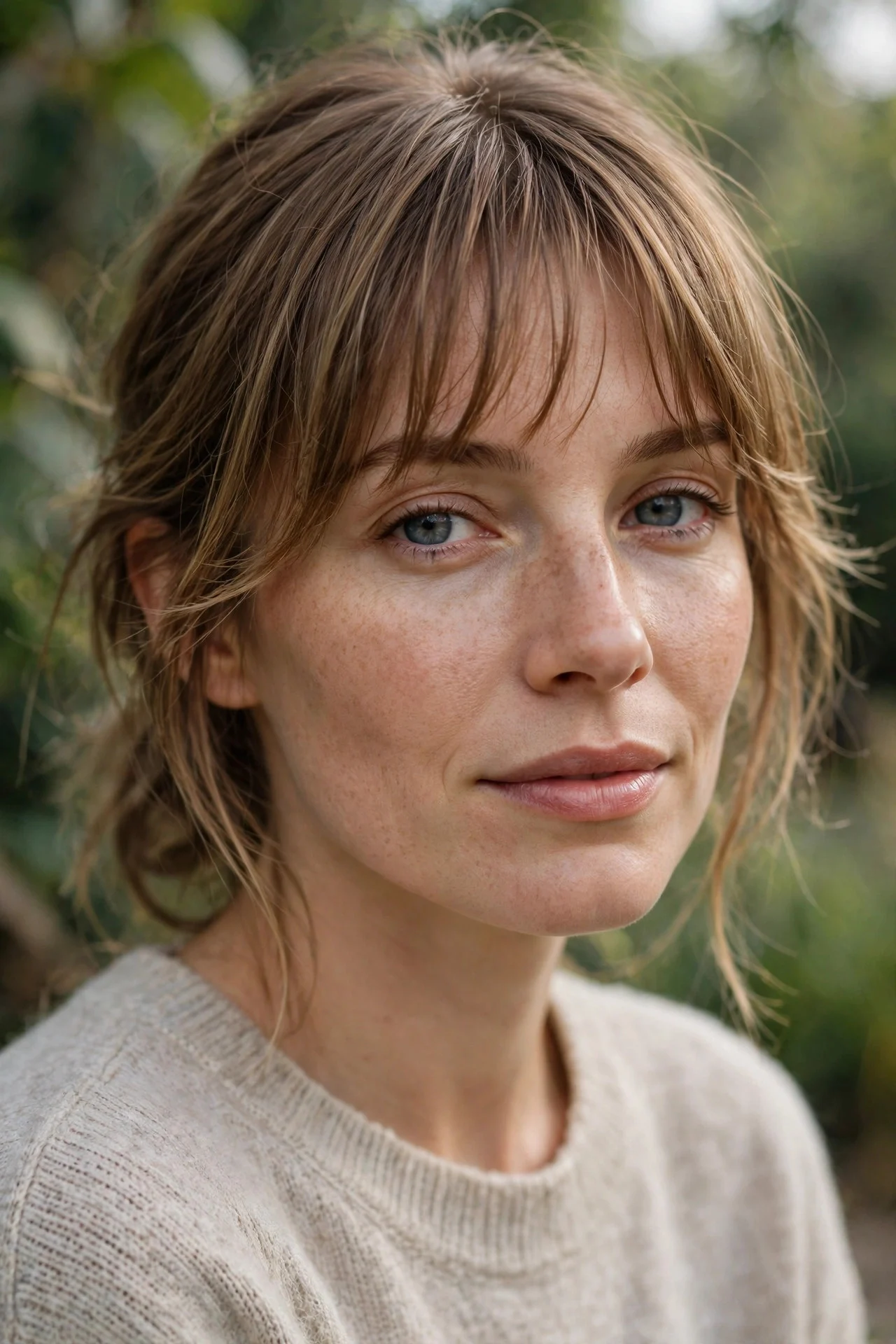
A wispy fringe is light, feathery, and deliberately a little see-through. Ask for a thin section cut just above the brows, with the ends point-cut so they fall softly instead of forming a solid line. This is a great first bang if you are nervous about commitment, and it flatters round and heart-shaped faces by adding gentle coverage without weight. It also works nicely on fine hair, since it does not demand much density. Styling takes about two minutes with a round brush or a quick flat-iron pass. The downside is that it can look sparse on very thick hair, and humid days may make the fine pieces separate.
3Side-Swept Bangs
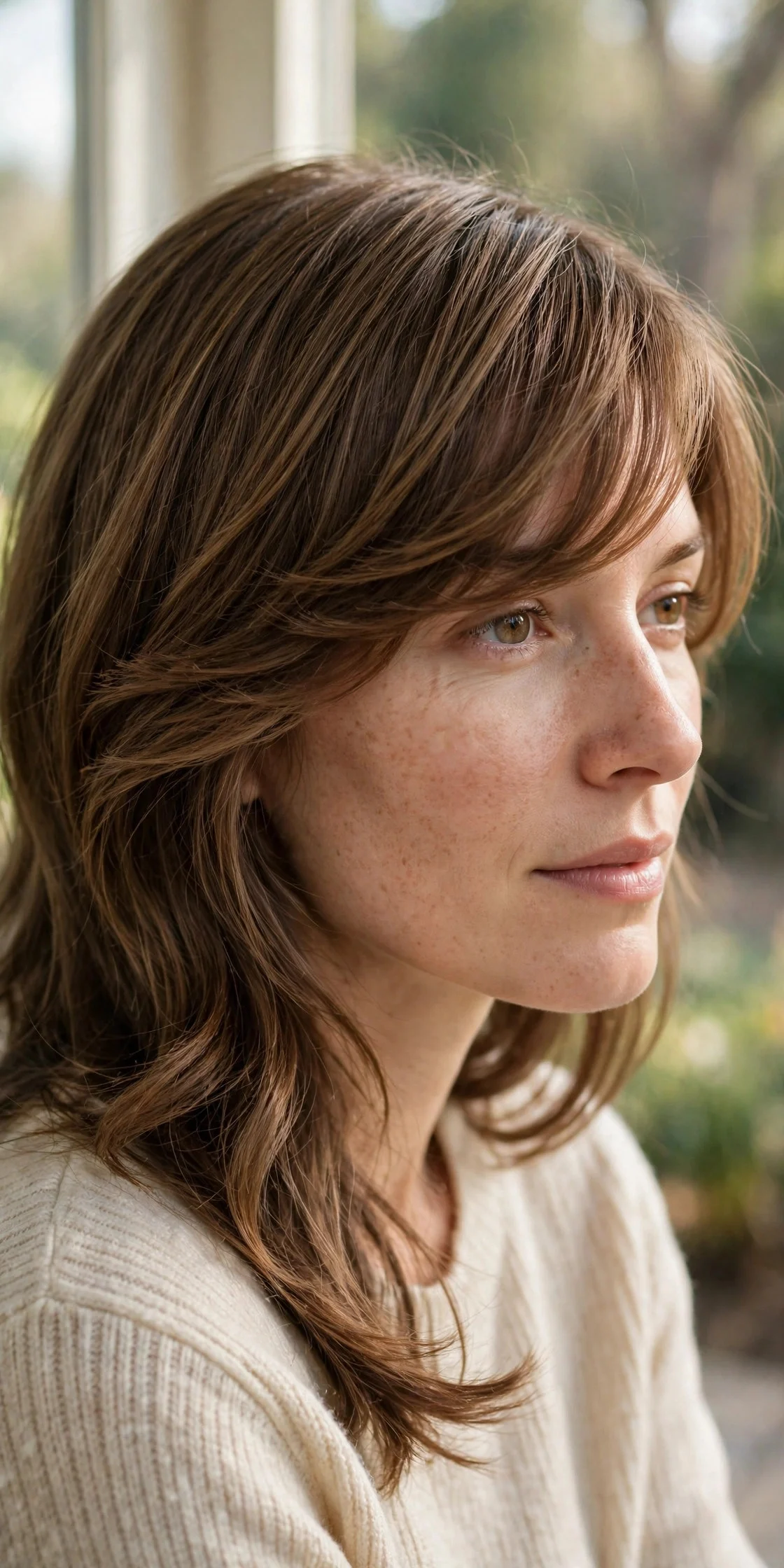
Side-swept bangs are the classic fix for a high forehead, and they have stayed popular for good reason. Ask your stylist to cut a deep side part with bangs that fall diagonally across the forehead, ending around the brow or just below it. This style suits square and long faces especially well, because the diagonal line breaks up vertical length. It is also forgiving while growing out, since longer pieces can simply be tucked behind the ear. Daily styling is minimal, though a little volumizing spray at the roots helps it sit properly. The main drawback is that strong cowlicks can fight the sweep, so mention yours before cutting.
4Bottleneck Bangs
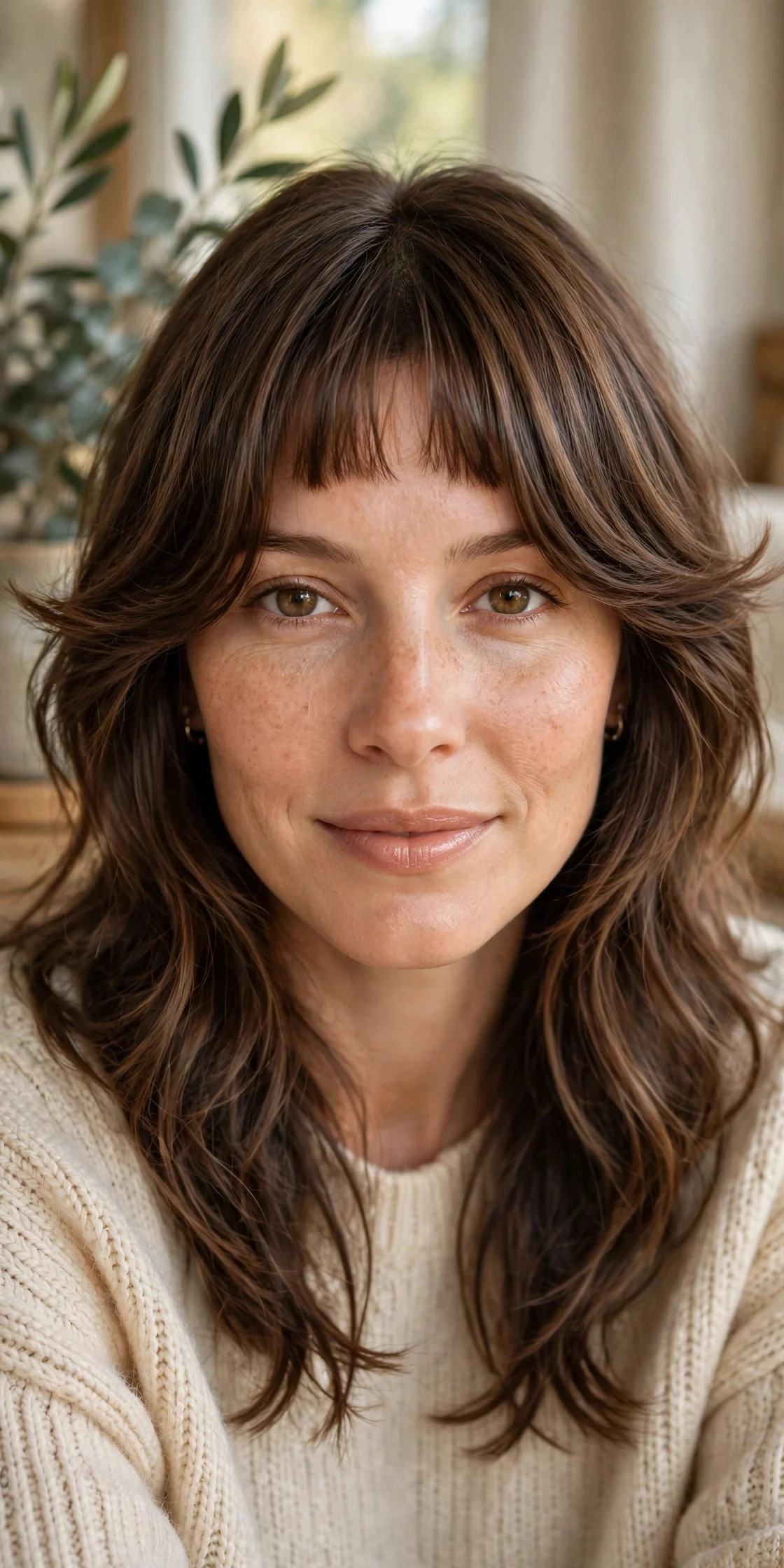
Bottleneck bangs are short in the center and longer at the sides, a shape that narrows near the forehead and opens out toward the cheekbones. Ask for a center length that grazes the brows, with the sides blending into face-framing layers. This style is ideal if you want coverage but still want your eyes and cheekbones visible. It suits most face shapes and looks especially good on medium to thick hair with a bit of natural movement. You will need trims every four to six weeks to keep the center from creeping into your eyes. Styling is simple, but the shape relies on a good cut, so choose a stylist who has done this style before.
5Full Blunt Bangs

A full blunt fringe makes the boldest statement and gives the most coverage. Ask for a straight-across cut that sits just above or right at the brows, with clean, even ends. This look suits straight, thick hair best and pairs beautifully with a bob or long layers. It instantly shortens the look of a high forehead and draws attention to the eyes. The trade-off is upkeep. Blunt bangs need trimming every three to four weeks, and they show every bit of oil or frizz. If you have curly or very wavy hair, expect daily smoothing work, or consider a softer variation instead.
6Textured Shaggy Bangs

Shaggy bangs pair perfectly with layered, lived-in cuts. Ask your stylist for choppy, textured pieces cut around brow level, with uneven ends that give a relaxed, piecey finish. This style suits wavy and curly hair wonderfully, and it flatters longer faces by adding width and movement around the forehead. It is one of the most forgiving options, because the messy texture hides imperfect styling and grows out without a harsh line. You will still want a trim every six weeks to stop it turning shapeless. The drawback is that it can look untidy in very formal settings unless you smooth the top layer a little.
7Feathered Bangs
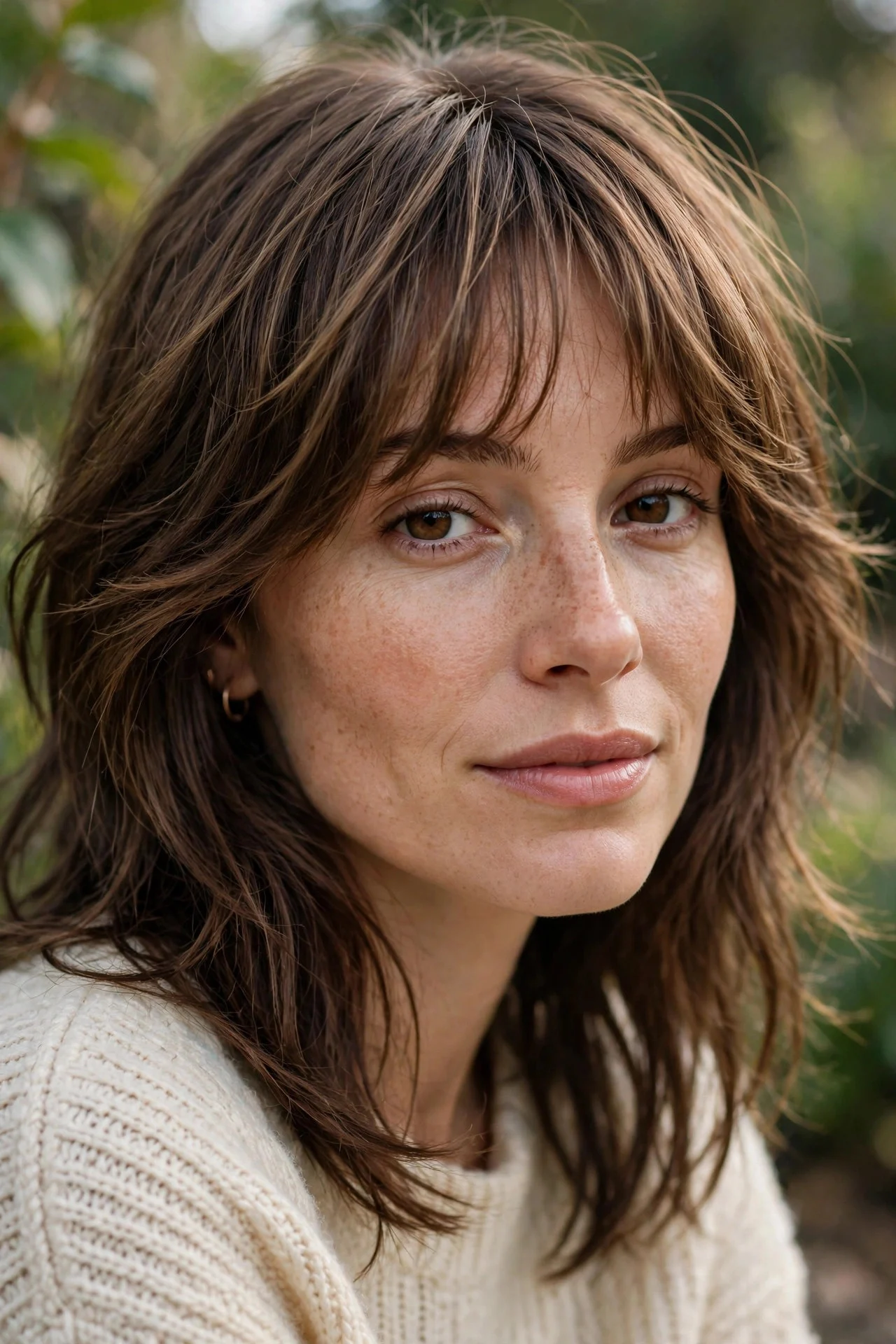
Feathered bangs are cut with a razor or thinning shears to create soft, airy layers that flick outward. Ask for a brow-skimming length with feathered ends that blend into the sides of your hair. This style is lovely on fine to medium hair, since the layering adds movement without removing too much weight. It suits oval and heart-shaped faces and gives a gentle, 1970s-inspired softness that never looks severe. Styling is quick, a round brush and a little light-hold spray will do. The drawback is that razor cutting can increase split ends if your hair is already damaged, so keep up with conditioning treatments.
8Micro Bangs with Long Layers
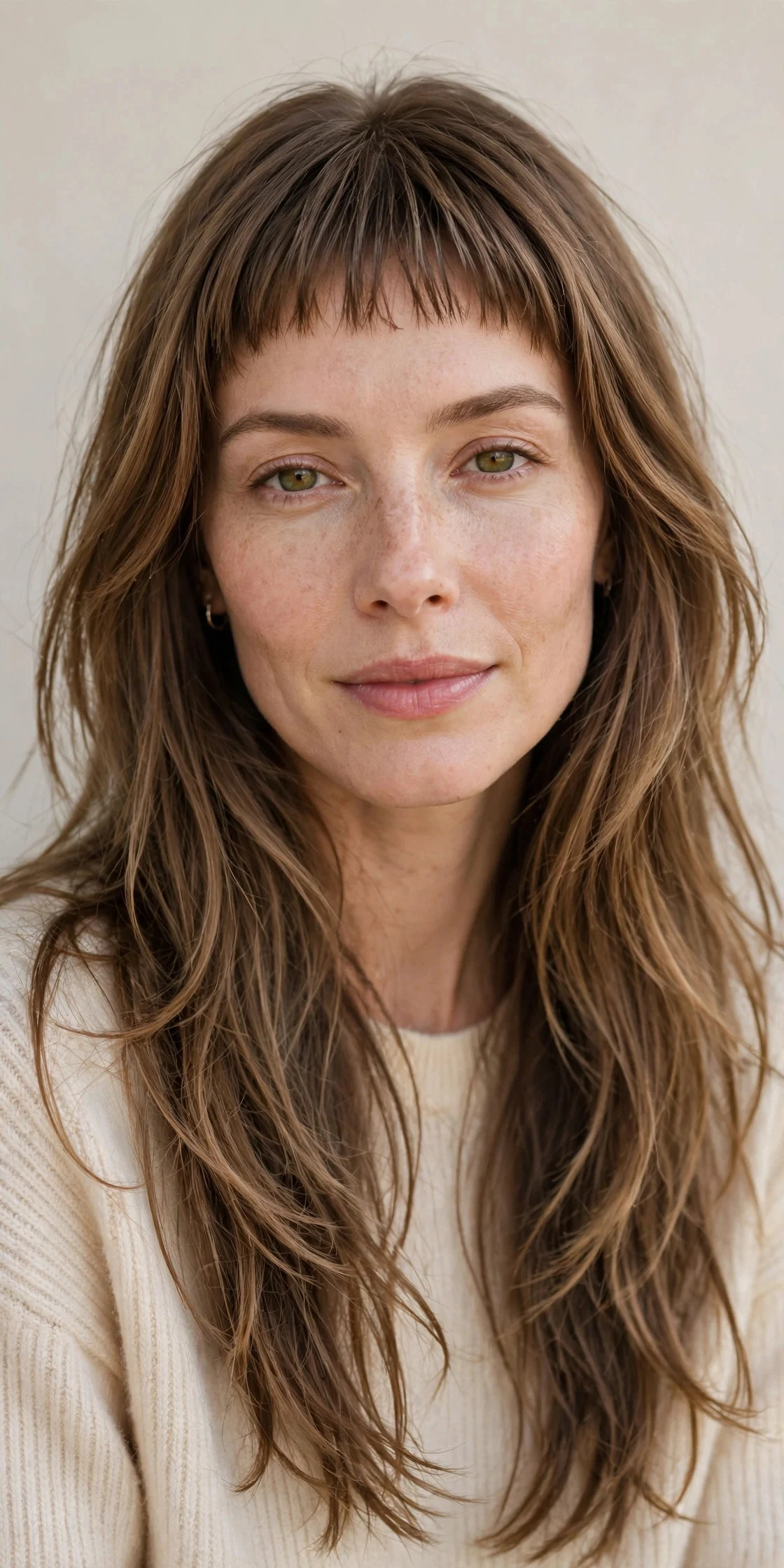
Micro bangs sit well above the brows and make a strong style statement. Ask your stylist to cut them about an inch above your brow line, keeping them slightly textured rather than perfectly straight, and pair them with long layers for balance. This daring look suits oval faces and confident dressers, and it works best on straight hair that holds a clean line. The short length means your forehead is still partly visible, but the strong horizontal line visually breaks up its height. Trims are frequent, every three weeks or so, and this style needs daily attention to sit right. It is not the lowest-maintenance choice, but it is striking.
9Curly Bangs
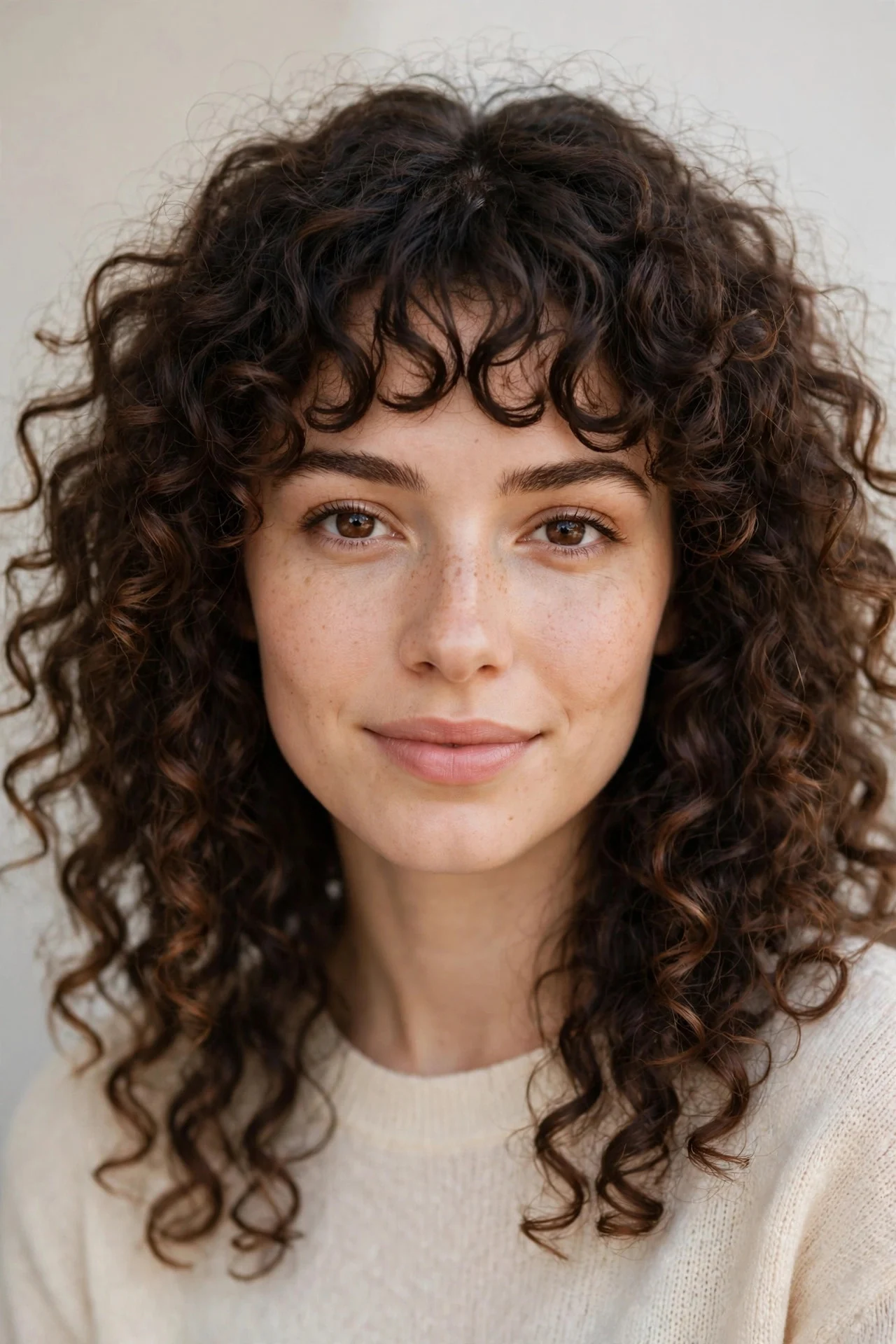
Curly bangs are made for natural texture, and they can look absolutely beautiful on a bigger forehead. Ask your stylist to cut them dry, curl by curl, so the finished length accounts for shrinkage. Aim for a length that falls around the brows when dry, knowing curls will spring up as they dry. This style suits round and oval faces and adds wonderful softness and volume. The key benefit is that it works with your texture instead of against it. The drawback is unpredictability on humid days, and you will need a stylist experienced with curly cuts. A curl cream and diffuser will be your daily tools, and regular trims keep the shape from turning triangular.
10Long Layered Bangs
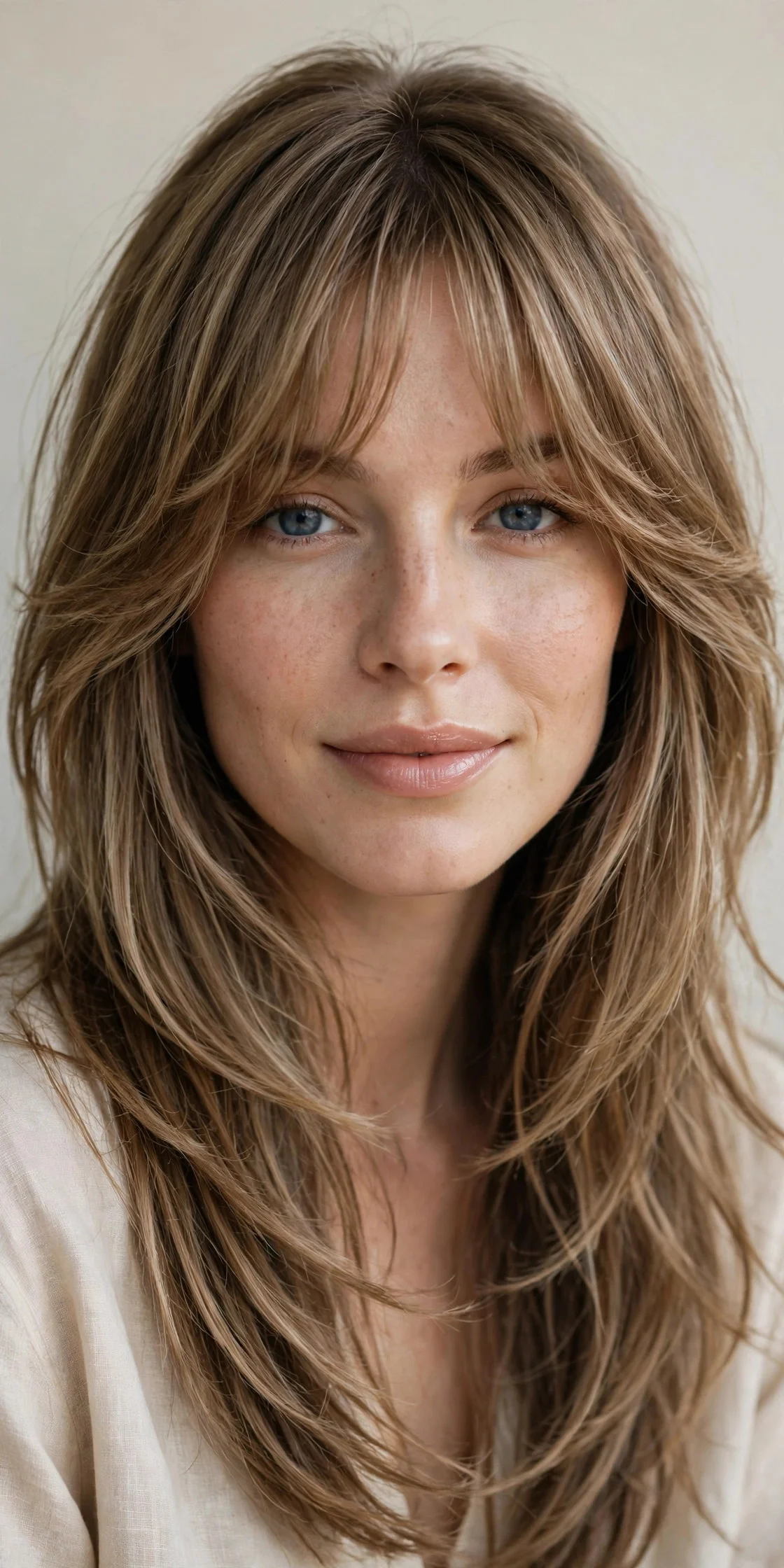
Long layered bangs fall past the brows and blend into the rest of your hair, giving coverage you can wear many ways. Ask for layers that start at the cheekbones and graduate downward, so the front pieces frame your face without a hard fringe line. This is a brilliant option if you are unsure about committing to short bangs, because you can sweep them to the side, pin them back, or wear them forward. It suits every face shape and nearly every hair type. Maintenance is the easiest on this list, with trims every eight to ten weeks. The only real drawback is that on very windy days the longer pieces can fall into your face.
Hair care and styling tips
Start with a good cut, because no amount of styling can fix bangs that were cut at the wrong length or angle. Bring reference photos and be honest about how much time you spend on your hair each morning. A stylist can adjust any of these styles to your texture, but only if they know your routine.
Wash bangs more often than the rest of your hair if needed. The forehead produces oil, and bangs sit right against it, so a quick rinse or a touch of dry shampoo between washes keeps them fresh. When blow drying, use a small round brush and direct the air downward to avoid a puffy, helmet-like shape. A light-hold spray beats heavy products, which can make fringe look greasy fast.
Book trims before your bangs start bothering you. Most salons offer quick fringe trims at a lower price than a full cut, and some include them free between appointments. Ask about this when you book. Finally, give a new fringe two weeks before judging it. Bangs often settle after a few washes, and the first-day shock fades quickly once you learn how yours likes to fall.
How do I know if bangs will suit my big forehead?
Most people with a bigger forehead can wear bangs well, because a fringe naturally shortens the look of the forehead. The best test is your hair texture and your patience for upkeep. Soft, side-swept, or curtain styles are the safest starting points, since they grow out gracefully and need little daily work. If you have a strong cowlick or very curly hair, tell your stylist, because both affect how a fringe falls.
How often do bangs need trimming?
It depends on the style. Blunt and micro bangs need a trim every three to four weeks to keep their line sharp. Softer styles like curtain, wispy, or long layered bangs can go six to ten weeks between trims. Many salons offer inexpensive fringe-only trims, so ask about that option when you book your cut. Regular trims are the cheapest way to keep any bang looking intentional rather than overgrown.
Will bangs make my face look rounder?
A heavy, straight-across fringe can add width, but most modern bang styles do the opposite. Side-swept, curtain, and bottleneck bangs create diagonal or open shapes that lengthen the face rather than widening it. If a round look worries you, ask for longer pieces at the sides and keep the center lighter. Your stylist can shape the fringe to flatter your specific face shape.
Can I wear bangs with curly hair?
Yes, and curly bangs can look fantastic. The key is cutting them dry, curl by curl, so shrinkage is accounted for. Never let a stylist cut curly bangs wet and straight, because they will spring up much shorter than expected. Use curl cream, diffuse gently, and accept a little natural variation. Curly fringe will never be perfectly uniform, and that softness is part of its charm.
What should I ask my stylist at the appointment?
Bring two or three photos of styles you like, and be clear about your daily routine. Tell them how much time you will spend styling, whether you air dry or blow dry, and how often you are willing to come in for trims. Ask them to show you how to style the fringe at home before you leave. A good stylist will also warn you about cowlicks, growth patterns, and how the cut will look as it grows out.
Keep exploring
If you liked these bangs for big foreheads, check out hairstyles for women in their 30s, hairstyles for women in their 20s, hairstyles for glasses wearers for more ideas.